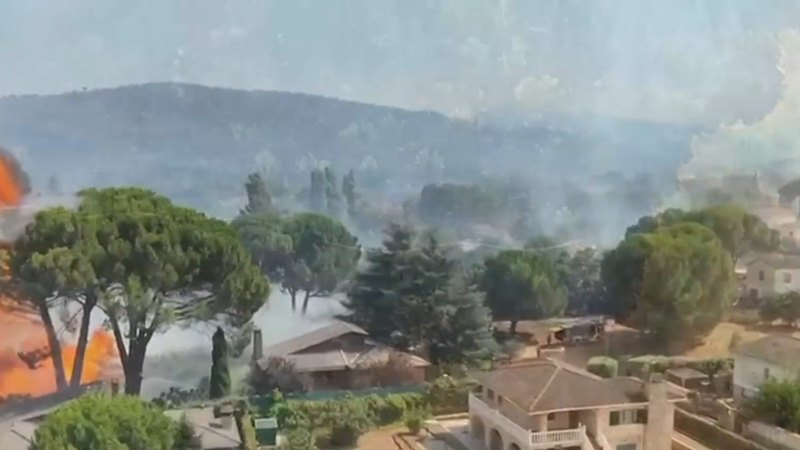
More than 250,000 people are currently displaced across Western Europe. The sky over Madrid smells like a campfire, and thick ash coats roof terraces miles from the city center. Down in southwestern France, smoke towers block the sun as massive blazes push relentlessly toward the outskirts of Bordeaux.
Wildfires aren't just burning trees anymore. They are rewriting how European governments handle natural disasters.
If you think this is just another typical summer heatwave, you're missing the bigger picture. Spain has taken the unprecedented step of declaring a national emergency strictly for wildfires—something the country has never done before. Meanwhile, French officials call their ongoing evacuations the largest peacetime displacement in modern French history.
The Scale of the Destruction
Let's look at the raw numbers. Over 197,000 people have fled their homes in France alone, driven out by walls of fire that have already chewed through roughly 242,000 acres. Across the border in Spain, another 70,000 residents have packed what they can carry and abandoned threatened neighborhoods.
The fires near Bordeaux and Madrid are operating on a scale that defies traditional containment tactics. Fire chiefs on the ground admit flatly that they cannot fight these walls of flame head-on. High winds and bone-dry vegetation have turned entire regions into tinderboxes.
Emergency services are stretched to a breaking point. France has drafted 1,500 soldiers into the fight, deploying military cargo planes like the Airbus A400M Atlas to drop water alongside specialized fleet units. Other European nations are frantically shipping water-bombers and heavy-lift helicopters to the front lines.
Why Traditional Firefighting Is Failing
People always ask why fire crews don't just drop more water. The reality on the ground is far more brutal.
When temperatures soar and humidity drops to single digits, dumped water evaporates before it even hits the tree canopy. The fires generate their own weather systems, creating erratic wind tunnels that throw burning embers miles ahead of the main front.
In Spain, two major fires actually merged into a single unstoppable monster. In Italy, crews battling fires in Sicily and Calabria reported horrific instances of arsonists actively exploiting the chaos.
You're dealing with a multi-front war. It's not just heat and dry brush. It's infrastructure strain, health hazards from toxic smoke, and towns cut off by gridlocked evacuation routes.
What This Means Moving Forward
Governments are learning hard lessons about modern climate impacts. Standard safety buffers don't work when fires move faster than cars on a highway.
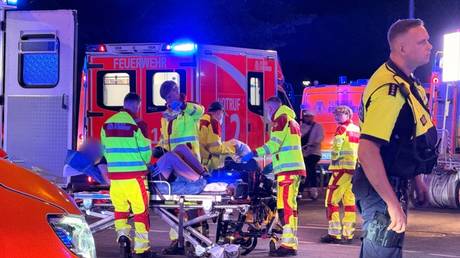
Authorities are rushing millions of face masks to affected zones to combat severe smoke inhalation risks. Whole communities are learning how to evacuate via boat, as seen on France's Cap Ferret peninsula where residents fled across the water while vacation homes burned behind them.
The summer season has barely peaked, and the toll is already historic. Keep an eye on local emergency alerts if you're traveling through southern Europe, and check official civil protection channels for real-time safe zones. Pack an emergency bag with documents, water, and respirators now. Don't wait for a knock on your door at two in the morning.