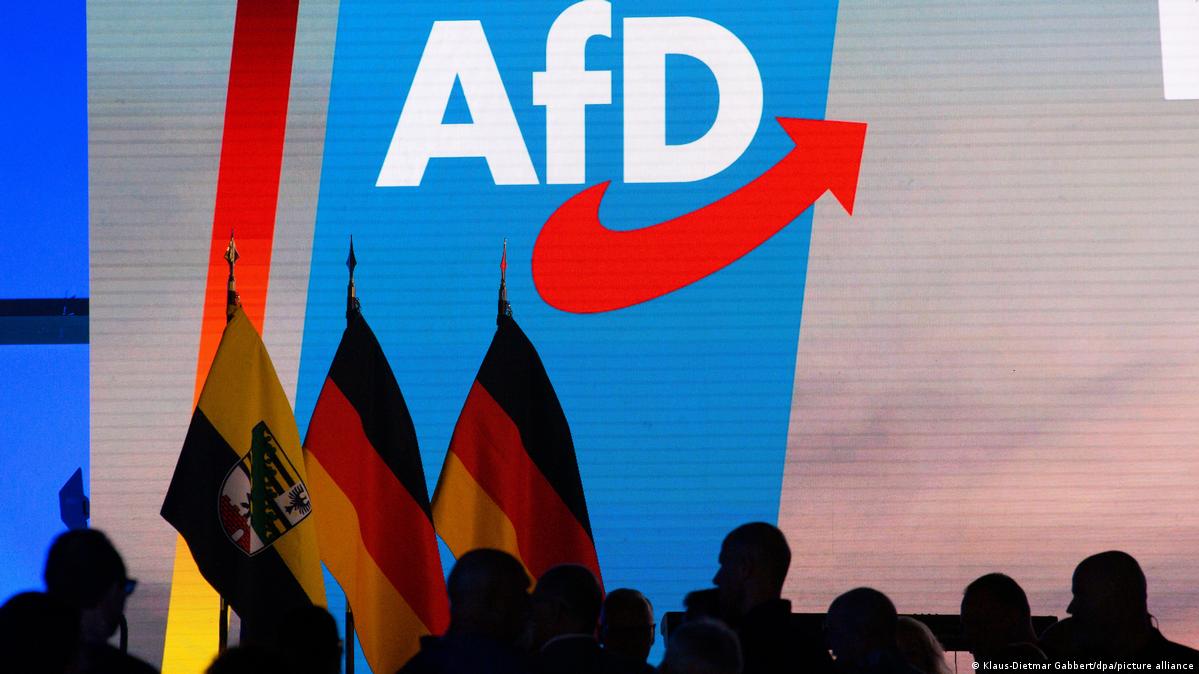
The political ground beneath Berlin and Brussels is shaking. When voters in the eastern German state of Saxony-Anhalt handed the Alternative für Deutschland (AfD) a stunning victory, mainstream politicians across the continent reacted with predictable horror. They warned of democratic erosion and historical echoes. They clutched their pearls. But if you look closely at how European centrist parties have governed over the past decade, you realize something uncomfortable. The political establishment created this crisis.
For years, the continent's governing elite dismissed populist discontent as a temporary glitch. They treated economic stagnation, crumbling public services, and intense public anxiety over immigration as fringe noise rather than systemic failures. When people raised legitimate concerns about community changes or the cost of living, political leaders often slapped labels on them instead of offering solutions. That arrogance left a massive vacuum. The AfD didn't capture nearly 44% of the vote in Saxony-Anhalt out of nowhere. They won because millions of citizens felt completely ignored by conventional politicians.
Let's look at how the establishment built its own trap. Mainstream parties spent years employing a strategy known as the firewall, vowing never to cooperate with far-right movements. While refusing to govern with the AfD is a clear moral stance, it also shielded the party from the messy realities of compromise. Parties in power must make tough budget cuts, negotiate painful compromises, and face the anger of voters when things break down. By keeping the AfD safely in opposition, the centrist parties allowed the far right to present itself as the sole voice of protest. Every time a mainstream coalition stumbled, the AfD gained another clean win without ever dirtying its hands in actual governance.
Meanwhile, political dialogue shifted in ways that legitimized the very forces the centre claims to oppose. Instead of framing immigration and integration through a lens of pragmatic management and clear support for human dignity, mainstream politicians frequently adopted far-right rhetoric to chase shifting opinion polls. When center-right and center-left leaders start using the language of restriction and cultural panic, they don't steal the thunder of populist parties. They validate them. Voters will always choose the authentic article over a pale imitation.
The consequences stretch far beyond the borders of Saxony-Anhalt. Across Europe, nearly one in four voters now casts a ballot for far-right parties, a proportion that has climbed steadily over the past thirty years. This is not an isolated protest vote or a passing phase. It is a fundamental realignment of European politics. Economists and institutional watchdogs warn that xenophobic agendas will hurt regions facing aging populations and labor shortages, yet voters keep turning toward anti-establishment choices. Why? Because the daily reality of high inflation, housing shortages, and strained public infrastructure tells them that the status quo isn't working.
If centrist leaders want to stop the nationalist wave, they have to stop blaming the electorate for paying attention to the wrong things. Pointing fingers at social media algorithms or foreign interference ignores the root cause of the breakdown. Real reform requires fixing the public services, addressing economic inequality with actual solutions, and rebuilding trust through competence rather than rhetoric. Until the political center learns to listen instead of lecturing, victories like the one in eastern Germany will keep happening, and the firewall will keep crumbling.
Germany's far-right AfD celebrates victory in Saxony-Anhalt state
This video provides a direct look at the reactions on the ground following the historic election result in Saxony-Anhalt.