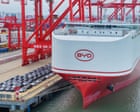
Trade wars usually start with tariffs, retaliation, and broken supply chains. But Brussels and Beijing just tried something completely different.
The European Union and China reached a landmark agreement that will cut Chinese hybrid car exports to the bloc by more than half over the next four years. Instead of stumbling into a full-scale trade war over billions of euros in deficits, EU trade commissioner Maroš Šefčovič flew to Beijing and walked away with a negotiated pilot scheme. Millions fewer plug-in and battery-powered hybrids will roll off cargo ships into European ports.
If you look closely at how this happened, it reveals a massive shift in how global superpowers handle industrial competition.
The Reality Behind the European Auto Panic
European automakers are terrified. For years, domestic manufacturers watched Chinese brands like BYD capture massive market share with affordable, technologically advanced vehicles. While pure battery electric vehicles grabbed headlines, hybrids quietly became the fastest-growing battleground.
Hybrids are the bridge. They mix internal combustion engines with batteries, making them an easy sell for drivers who aren't ready to commit to pure electric charging infrastructure. But cheap Chinese hybrids threatened to wipe out thousands of manufacturing jobs across Germany, France, and Italy.
Politicians faced intense pressure. The trade deficit with China was sitting at a staggering 1.18 billion euros every single day. Something had to give.
Instead of slapping sudden, punitive tariffs that would spark immediate retaliation, negotiators went for a rare preemptive compromise. China agreed to moderate its exports without waiting for formal World Trade Organization safeguards or lengthy investigations.
How the Deal Actually Works
You might wonder why Beijing agreed to voluntarily slash its own export volumes. China didn't do it out of charity. It was a strategic trade-off wrapped in a 16-point agreement.
First, the deal relies heavily on "company price undertakings." Translation: Chinese carmakers will likely raise minimum price tags on hybrids sold in Europe. By artificially lifting prices, they protect European profit margins while avoiding blanket border tariffs.
Second, the arrangement is quid pro quo. In exchange for capping hybrid shipments, China secured commitments regarding rare earth elements and permanent magnets. Beijing agreed to keep export licenses flowing smoothly for these critical minerals, which European factories desperately need for electronics and clean energy tech.
It also opens up access for European food and drink exporters trying to break into the Chinese market.
What This Means for Car Buyers and Markets
If you are shopping for a car in Europe, don't expect cheap Chinese hybrids to flood the market next year. Prices are going to tick upward as manufacturers adjust to the agreed minimum pricing structures.
For the automotive industry, this agreement acts as a pressure valve. European legacy carmakers get breathing room to restructure their own hybrid and electric lineups without bleeding market share quite as fast.
Yet, this is only a pilot program. Šefčovič made it clear that while this is a crucial first step, it is far from the finish line. Brussels will brief diplomats ahead of upcoming leadership summits, watching closely to see if Beijing honors the export caps in practice.
Trade agreements rarely happen without a fight. This one happened behind closed doors before the bullets started flying. Whether it holds up when car sales fluctuate next quarter remains the real test.