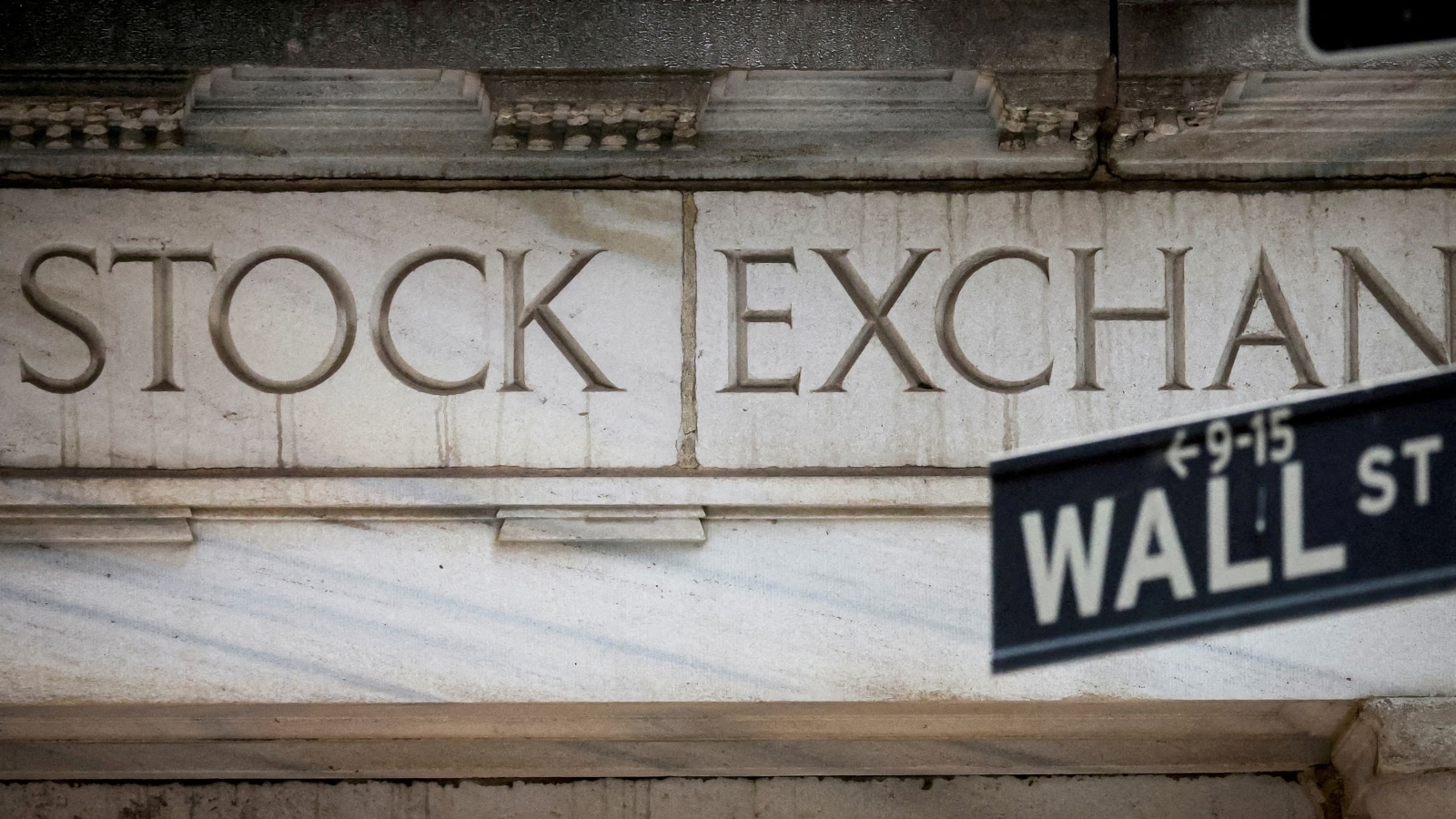
Markets hate uncertainty. When the dust settled on the U.S. midterm elections, revealing a clean Democratic sweep of Congress, Wall Street didn't panic. Instead, international capital quietly sprinted across the Atlantic. European equities surged past U.S. benchmarks in a sharp, relief-driven rotation that caught plenty of passive index investors completely flat-footed.
If you've spent the last few years treating American tech giants as the only game in town, this sudden shift should serve as a wake-up call. Geopolitical shocks, domestic interest rate moves, and shifts in Washington don't stay confined to domestic soil. They trigger immediate, violent cross-border portfolio reallocations.
Decoding the European Relief Rally
Let's look at what actually happened on the trading floors. European bourses didn't climb because European companies suddenly solved every structural hurdle facing their energy grids or labor markets. They climbed because the political gridlock anticipated from a split government—or the fear of aggressive, unilateral executive policy changes—vanished overnight.
Investors who had heavily de-risked their European books ahead of the midterms rushed back in. Ulrich Urbahn, head of multi-asset strategy and research at Berenberg, put it simply: banks and cyclicals were deeply de-risked. When the election results confirmed the outcome, it turned into a classic "buy-the-fact" event.
Financials led the charge. The Stoxx 600 Banks Index jumped roughly 4.5% in its strongest single session in months. Heavyweights like HSBC and Banco Santander drove the performance, while regional lenders in Spain and Austria saw even sharper spikes. Why? Because traders realized that the worst-case regulatory and fiscal scenarios tied to extreme legislative shifts were off the table, allowing stable balance sheets and healthy dividend yields to command attention again.
The Clean Energy and Tech Divergence
While European banks rallied on stability, another fascinating dynamic played out in green energy and tech. Clean energy shares—which had absorbed a beating over prior policy shifts—snapped back hard. Vestas, Ørsted, and Nordex all posted strong gains.
At the same time, the broader global tech trade faced headwinds. U.S. meg
Why European Stocks Are Suddenly Beating Wall Street
business
For years, telling someone you were heavily invested in European equities felt like admitting you enjoyed setting money on fire. Wall Street dominated every headline, tech darlings swallowed all available capital, and European exchanges looked like sleepy retirement communities compared to the hyper-growth engines of the US market. Then political shifts, specifically a sweep by Democrats in American legislative and executive branches, triggered a massive rotation of capital across the Atlantic.
European stocks suddenly outperformed Wall Street.
Investors woke up to the reality that shifting American fiscal policies, corporate tax adjustments, and regulatory priorities would alter cross-border valuations overnight. If you missed this shift because you were too busy tracking domestic mega-cap technology stocks, you missed one of the most lucrative structural re-pricings of the decade.
The US Political Sweep That Changed Everything
Markets hate uncertainty, but they hate tax hikes and aggressive antitrust crackdowns even more. When the Democratic sweep materialized, Wall Street immediately started pricing in higher corporate tax rates, tighter regulatory scrutiny on big tech, and massive infrastructure spending bills that would inevitably trigger inflationary pressures.
Investors looked at domestic indexes facing higher prospective tax burdens and tighter margins, and they started glancing sideways. Europe offered an alternative. While European markets had long traded at a deep discount compared to their US counterparts, that discount suddenly looked like a margin of safety rather than a value trap.
Money doesn't just sit in cash when domestic headwinds pick up. It migrates. Capital surged out of crowded American trades and into undervalued European heavyweights—industrial firms, financial institutions, and green energy pioneers positioned to benefit from global policy shifts.
Why the Valuation Gap Got Too Wide to Ignore
For the better part of a decade, US stocks traded at price-to-earnings multiples that defied historical gravity. You were paying a steep premium for every dollar of earnings, justified by high profit margins and explosive growth in the tech sector. Meanwhile, European markets sat stuck at trailing P/E ratios well below their historical averages.
When American political shifts threatened US profit margins, that valuation spread became the main catalyst. European companies weren't suddenly transforming into Silicon Valley startups; they were simply offering steady, reliable cash flows, strong dividend yields, and defensive characteristics at a fraction of the cost.
Institutional asset managers looked at the math and realized they were overexposed to expensive US growth stocks. Rebalancing portfolios meant channeling billions into European banks, automotive giants, luxury conglomerates, and industrial powerhouses. The sheer velocity of that capital flow overwhelmed local order books, driving indices higher faster than most analysts anticipated.
The Structural Differences Wall Street Missed
Most retail investors make the mistake of treating foreign markets like smaller versions of the US stock exchange. They aren't. European exchanges are heavily weighted toward traditional value sectors like banking, manufacturing, energy, and healthcare, rather than software and consumer internet monopolies.
When interest rate cycles shift and inflation becomes a persistent baseline reality, high-flying growth stocks take a beating while cash-generative industrial and financial firms thrive. European blue-chip companies often boast robust balance sheets, lower debt-to-equity ratios than their US peers, and decades of experience operating in low-growth environments.
When American fiscal policy started favoring green transition subsidies and heavy domestic manufacturing investments, European firms specializing in renewable energy equipment, grid infrastructure, and advanced automation were ready to capture that international demand. They weren't just riding a local wave; they were plugged directly into global structural trends.
What This Means for Your Portfolio Right Now
Chasing past performance is a great way to lose money. Just because European stocks experienced a sharp outperformance phase following a major American political shift doesn't mean you should dump your entire portfolio into DAX or CAC 40 trackers tomorrow.
Currency risk remains a massive factor. A strengthening US dollar can easily wipe out gains from foreign equity appreciation if you aren't hedged properly. Furthermore, European economic growth remains tied to fragile regional energy supplies, complex labor laws, and slower demographic trends than the United States.
You need to look at geographic diversification not as a speculative trade, but as an insurance policy against domestic regulatory changes and valuation compression. Keep your core holdings anchored in strong, resilient businesses, but stop ignoring international markets just because they lack the flashy marketing of American tech stocks.
Review your asset allocation today. If your portfolio is one hundred percent tied to domestic indexes, you are betting your entire financial future on a single political and economic ecosystem. Broaden your horizons, accept that valuations matter, and position your capital where the math actually makes sense.