The old story about China in Africa goes like this. Beijing turns up with a massive checkbook, builds a mega-railway or a massive stadium, loads a local government up with debt, and leaves with a hull full of raw copper or crude oil.
That story is dead. It doesn't match what is actually happening on the ground right now in 2026.
If you look closely at China and Africa’s evolving partnership, the era of unbacked mega-loans and massive state-to-state infrastructure projects has quietly wound down. Beijing is tightening its purse strings. Regulators are getting nervous about risk. African nations are demanding local processing instead of just shipping away raw materials.
The relationship isn't shrinking. It's changing into something much more calculated, corporate, and complicated.
The Myth of the Unlimited Chinese Checkbook
For a long time, the Western world watched China’s state-backed banks pump tens of billions of dollars into African roads, ports, and power plants. But the financial hangover hit hard. Debt distress in countries like Zambia and Kenya forced a massive rethink in Beijing.
Today, Chinese regulators are flashing red lights. Just look at the recent pause of a major African mining acquisition. Chinese regulatory bodies are scrutinizing these deals heavily because they involve volatile, conflict-prone regions. They are sending a clear signal to Chinese corporate giants: the state will no longer bail you out if a high-risk venture goes south.
Beijing is shifting from massive government-to-government loans to private equity, corporate investments, and public-private partnerships. They call it "small is beautiful." It means fewer multi-billion-dollar railways and more targeted commercial investments that actually turn a profit.
Moving Past Raw Extraction in Benin and Beyond
African leaders are also driving this shift. They don't want to be just a source of raw commodities anymore. They want factories, jobs, and supply chains.
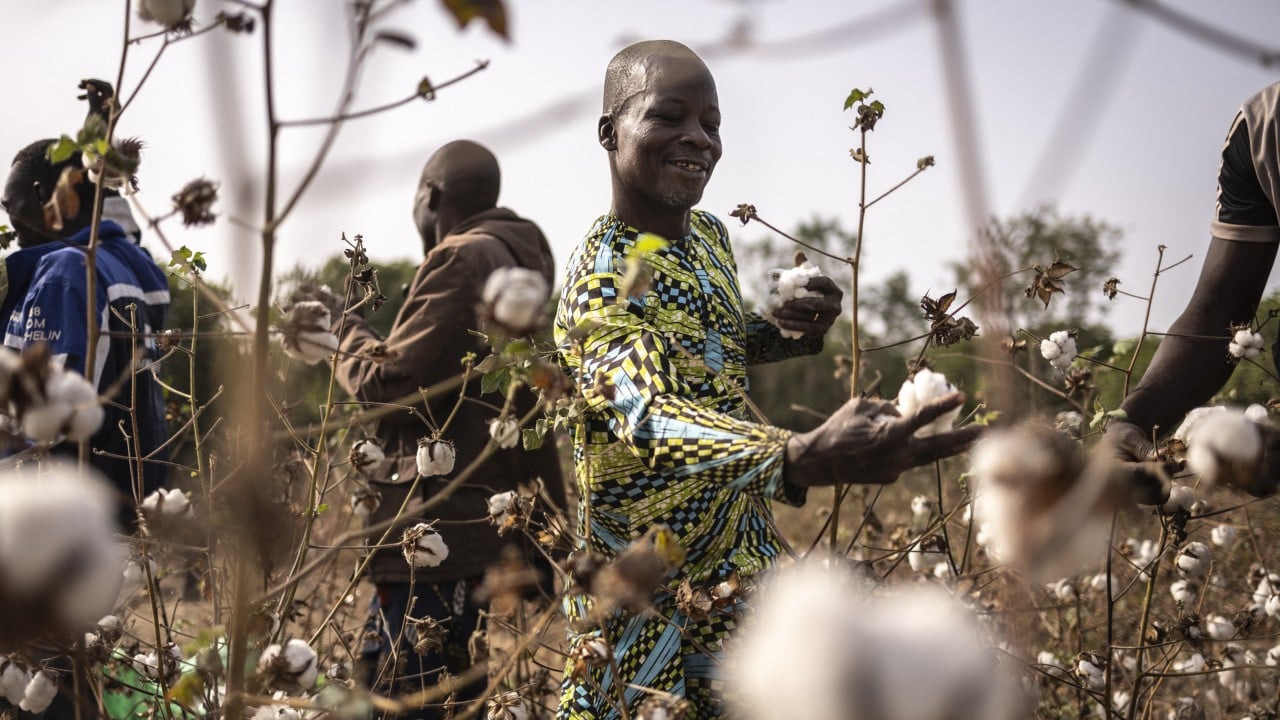
Benin offers a textbook example of how this plays out in real life. For decades, Benin exported raw cotton to international markets, missing out on the actual wealth created by spinning it into clothes. Now, with Chinese industrial backing and a massive 184-kilometer road project underway to connect production hubs, the country is trying to process its own crop locally. Chinese textile firms aren't just buying the fiber; they are setting up ginning and spinning operations right inside West Africa.
This is happening across the continent. From lithium processing plants in Zimbabwe to manufacturing zones in North Africa, the focus is on adding local value. If a Chinese firm wants access to African resources, they increasingly have to build the factory inside the host country.
The Local Soft Power Scramble
The relationship has moved deep into the social fabric of these countries. Walk into schools across Kenya, South Africa, or Nigeria, and you will find a surprising trend. Local students are learning Mandarin.
Governments are adding Chinese to their national curricula because parents and students see it as a direct ticket to a corporate job or a scholarship. The demand is massive. Yet, this push has hit a massive bottleneck. There simply aren't enough qualified teachers to handle the rollout.
This cultural integration creates a long-term tie that Washington or Brussels can't easily counter with a press release. It builds a generation of bureaucrats, engineers, and entrepreneurs who speak the language and understand the corporate culture of Beijing.
What This Means for Global Politics
Western capitals keep treating China's presence in Africa as a military or geopolitical invasion that can be solved with counter-loans. They miss the point.
African nations are exercising their own agency. They aren't helpless pawns in a new Cold War. They look at China and see an alternative to the rigid conditions of Western financial institutions. They get infrastructure built in months, not decades.
It isn't a perfect system. Local labor disputes flare up regularly. Environmental groups point out deep damage from mining operations. Debt negotiations drag on for years in backrooms. But the partnership survives because it adapts to survival constraints on both sides.
Your Next Steps for Tracking This Shift
If you are an investor, policymaker, or researcher trying to understand this macroeconomic shift, stop watching the big diplomatic summits. Pay attention to these areas instead.
First, track the regulatory filings of private Chinese firms rather than state bank announcements. The real action is now in private corporate investments.
Second, monitor local value-addition laws. Keep an eye on countries banning the export of raw minerals, like Zimbabwe's raw lithium ban, or Benin's shift in cotton processing. These laws dictate where the next supply chains will form.
Third, look at the growth of regional industrial parks. Special Economic Zones are becoming the actual centers of gravity for this updated economic relationship. That is where the factories are going up, and that is where the real money is moving.