Most people look at a diagnosis of Amyotrophic Lateral Sclerosis as an immediate death sentence. They think the story ends right there. When you hear about ALS, your mind probably jumps to the late stages, to complete immobility, or to the famous historical cases like Lou Gehrig. But the reality on the ground is completely different from the tragic clichés splashed across standard news broadcasts.
Living with this neurodegenerative condition isn't just about waiting for the clock to run out. It's an active, daily negotiation with your own body.
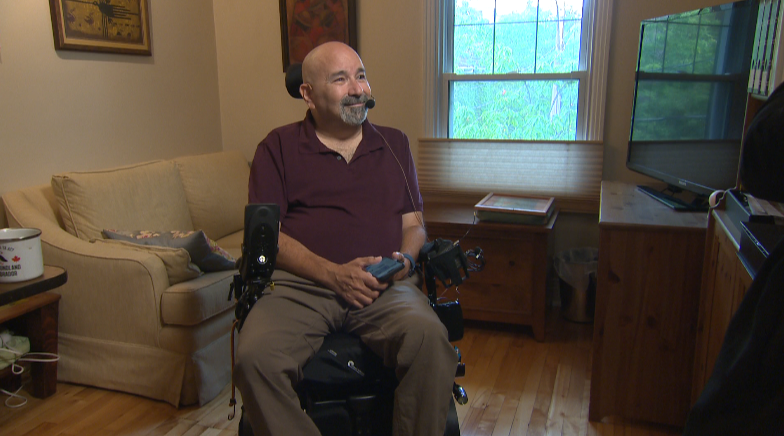
Look at Normand MacIsaac. He is a Montrealer who has been living with ALS for over a decade. Diagnosed back in 2014 at the age of 51, MacIsaac has spent more than ten years defying the standard statistical timeline that tells patients they only have two to five years left to live. He calls himself the luckiest of the unlucky. That phrase hits hard because it captures the brutal duality of navigating an incurable illness while actively choosing to find meaning in the wreckage.
We need to talk about what happens after the initial shock wears off. The real story isn't just that the disease is terrible. We already know that. The real story is how patients and families adapt, how technology is keeping people in the conversation, and why the medical community is suddenly shifting its timeline from distant dreams to immediate trials.
The Mental Shift From Denial to Raw Acceptance
Receiving a terminal diagnosis drops an absolute bomb on your life. There's no polite way to put it. For MacIsaac, the early days brought the predictable wave of shock and deep denial. He had spent his career working with marginalized communities worldwide. He was the provider. He was the one offering the helping hand. Suddenly, the roles reversed.
Becoming dependent on others is a massive psychological hurdle. It requires a total restructuring of your identity.
Standard Timeline vs. Extended Survival
- Typical ALS Life Expectancy: 2 to 5 years from diagnosis
- MacIsaac's Journey: 12+ years of active living and advocacy
True advocacy doesn't mean hiding behind false optimism. It means staring the ugly facts in the face and deciding to move forward anyway. MacIsaac chose to share his story openly rather than retreating into isolation. He wrote a book about his experiences. He kept travelling when possible. He focused heavily on gratitude without ignoring the reality that his muscles were fading.
This kind of mental endurance isn't cheap. It takes a massive toll on the primary support system. His wife, Christine, stepped into the caregiving role, taking over every single logistical piece of their daily existence. When a partner becomes a caregiver, the relationship dynamics change instantly. It requires a level of resilience that rarely gets enough spotlight in traditional medical literature.
Voice Cloning and the Fight to Stay Heard
ALS targets the nerve cells responsible for voluntary muscle movement. Eventually, it takes away the ability to walk, move, and speak. But losing your physical voice doesn't mean you lose your mind or your desire to communicate. That's where modern tech steps in, though it's far from perfect.
MacIsaac uses a cloned voice to communicate today. While the technology is incredible compared to what patients had a few decades ago, the daily reality of using it is incredibly tedious.
Imagine trying to join a lively dinner table conversation. By the time you type out your thought, hit send, and let the software speak the words, the conversation has already moved on three topics. You can't just blurt something out. You can't interrupt with a quick joke.
People frequently misunderstand a patient when they try to use their natural, weakening voice. Then, when they switch to the digital voice, the natural rhythm of human interaction feels broken. It takes time. It demands patience from everyone in the room. This logistical friction highlights the isolation that patients face even when surrounded by loved ones.
Why Early Detection Changes the Entire Equation
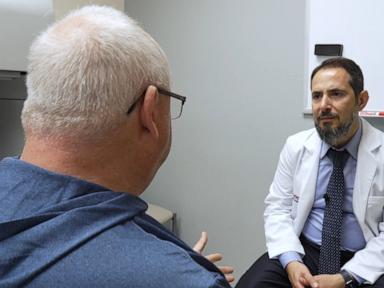
If you look at the research coming out of institutions like McGill University, the tone among scientists is shifting. Dr. Angela Genge, a prominent clinical research director in Montreal, points out that the field is moving faster than ever toward viable treatments. Much of this momentum traces back to the massive influx of funding from the viral Ice Bucket Challenge years ago, which funded the foundational work happening right now.
Researchers are focusing heavily on biomarker development and identifying specific genetic targets. The goal is to catch the disease before it completely ravages the motor neurons.
We face a strange statistical paradox with ALS. The disease looks rare on paper because the mortality rate is so high. People die quickly, keeping the total number of active patients low at any given time. Dr. Genge notes that as soon as treatments become effective enough to extend lives significantly, we will see a massive spike in the number of people living with ALS. Success will look like a higher prevalence of the disease because people will actually survive it.
Early identification remains the absolute bottleneck. Damage done to motor neurons is incredibly difficult to reverse. Stopping the progression early is the only realistic path forward.
What You Can Do Right Now
Sitting back and reading about awareness month doesn't change lives. Real support requires direct action. If you want to make an impact on the ALS community, focus on these immediate steps.
- Support Caregiver Respite Programs: Everyone talks about the patient, but the caregivers are burning out. Donate to organizations that provide temporary relief and mental health support specifically for ALS spouses and family members.
- Fund Local Equipment Loan Pools: Specialized wheelchairs, communication devices, and home modifications cost a fortune. ALS societies run equipment programs that literally hand these life-altering tools to families who can't afford them.
- Advocate for Accelerated Drug Approval Trails: Let your political representatives know that terminal patients don't have the luxury of waiting a decade for standard regulatory bureaucracy. They need access to experimental treatments now.
Stop treating ALS as a distant, hopeless tragedy. The science is moving, the patients are fighting, and the tech is keeping people connected. Get involved with your local ALS chapter today and help fund the equipment pools that keep patients active in their own lives.