If you think preparing for a major international diplomatic meeting is just about booking hotel rooms and polishing podiums, you haven't seen how Shenzhen handles the Asia-Pacific Economic Cooperation summit.
The tech hub of southern China is locking down. It isn't just a matter of extra police officers at metro stations or standard baggage checks. We are talking about strict restrictions on everyday liquids like cologne, mandatory grounding for low-altitude drones, and neighborhood grids undergoing intense scrutiny.
When global leaders gather, the host city becomes a fishbowl. Shenzhen is transforming its entire urban infrastructure into a controlled environment. If you live there, work there, or plan to travel through the region over the coming weeks, the new normal is going to feel jarring. Here is what is actually happening behind the closed doors and security gates.
The Liquid Crackdown and Why Your Perfume Is an Issue
Most people laugh when they hear that security teams are targeting luxury fragrances. It sounds ridiculous on the surface. But if you look closer at modern event security protocols, it makes perfect sense to the experts running the show.
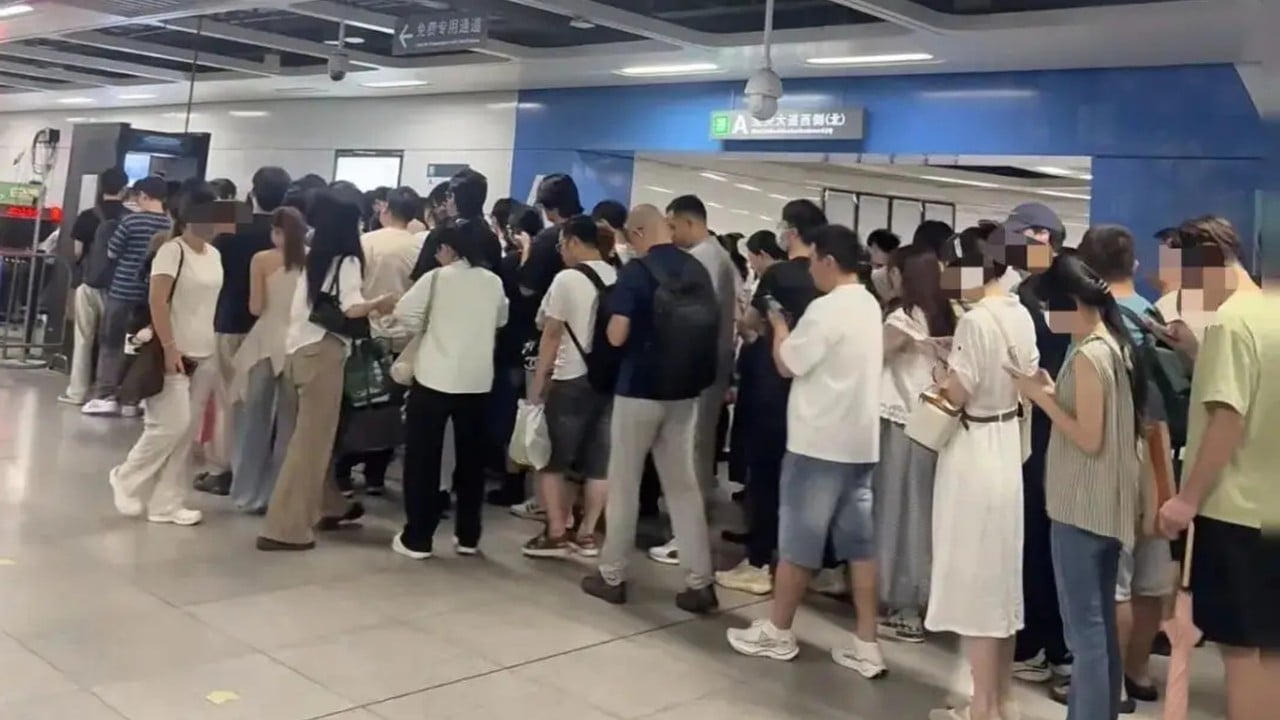
Public transit hubs across Shenzhen have quietly updated their prohibited items lists. Commuters are finding out the hard way that high-concentration alcohol products, aerosol sprays, and specific perfumes are getting flagged at security checkpoints.
The logic isn't about stopping people from smelling good. High-end fragrances and cosmetics frequently rely on flammable alcohol bases. In a crowded subway station or a packed public square near the summit venue, any highly volatile liquid represents a hazard. Security forces prefer to eliminate the risk entirely rather than spend precious seconds analyzing whether a bottle contains Chanel No. 5 or something malicious.
If you are moving through the city, leave the glass spray bottles at home. Security staff are not making exceptions for expensive brands. They will confiscate them, or you will get turned away at the turnstile. It is a minor inconvenience for an individual, but across a city of over 17 million people, it is a massive logistical filtering operation.
Grounding the Drone Capital of the World
Shenzhen built its modern identity on the low-altitude economy. It is the birthplace of DJI and a massive hub for commercial drone delivery networks, experimental flying vehicles, and hobbyist pilots.
That makes the total low-altitude temporary flight ban incredibly disruptive.
For the duration of the security window, the skies are quiet. The local government has designated strict no-fly zones covering not just the main conference centers, but wide swathes of the surrounding districts. This applies to everything from heavy industrial delivery drones down to tiny consumer quadcopters weighing less than 250 grams.
- Commercial operators are pausing test flights and automated delivery routes.
- Media agencies must secure explicit military and civil aviation clearance just to get aerial b-roll.
- Hobbyists face immediate fines and equipment confiscation if they boot up an unauthorized aircraft.
Why the total ban? Modern drones are incredibly smart, but they are also unpredictable vectors. A consumer drone can carry payloads or accidentally disrupt official helicopter flight paths carrying foreign dignitaries. By establishing a blanket no-fly zone, radar operators and security teams can immediately identify any airborne object as an active threat without wasting time verifying its purpose.
Grid Management on Overdrive
The physical changes on the streets are hard to miss, but the digital and administrative changes are even deeper. China uses a system known as grid management, where cities are divided into small, manageable sectors monitored by local community leaders and volunteer networks.
Ahead of the summit, these neighborhood grids are running at maximum capacity.
Expect local volunteers wearing red armbands to be far more visible in residential compounds. Property management offices are cross-checking rental agreements, ensuring that short-term rentals are fully registered, and asking questions about unfamiliar faces in the buildings.
If you are an expat or a domestic visitor staying in an unregistered apartment, expect a knock on the door. The authorities want a flawless ledger of exactly who is sleeping in the city while the summit is active. It is an intense, ground-level approach to intelligence that relies on human eyes just as much as face-recognition cameras.
How the Tech Corridor Is Adapting to the Friction
Business doesn't stop just because a massive diplomatic circus rolls into town. Shenzhen is the engine room of China's tech sector, and companies in Nanshan and Futian districts are adjusting their daily operations to keep up with the security friction.
Commutes are getting longer. The combination of mandatory vehicle checks on major thoroughfares and slow-moving lines at subway stations means workers are adding 30 to 40 minutes to their mornings. Some large technology firms are quietly encouraging remote work for non-essential staff to take the pressure off the transportation network.
Logistics companies are facing the toughest hurdle. Express delivery services, which usually move through the city with lightning speed, are seeing delays. Every single package entering the core districts must pass through secondary screening facilities. If your business relies on just-in-time delivery of electronic components across the border from Hong Kong or from nearby factory zones, you need to build a buffer into your timeline.
Real Survival Steps for Navigating Shenzhen This Month
Don't panic, but do change your habits. If you have to be in the city while the security measures are active, following a few basic ground rules will save you hours of headaches.
First, carry physical identification everywhere. Do not rely solely on a digital copy on your phone. Police spot-checks are happening at major intersections, hotel lobbies, and transit hubs. If you are a foreign national, carry your passport. If you are a domestic resident, keep your national ID card handy.
Second, clean out your daily carry bag. Strip out any pocket knives, multi-tools, large batteries, or ambiguous liquids. If you don't absolutely need an item to survive your workday, leave it at home. The lighter your bag, the faster you get through the thousands of metal detectors scattered across the city.
Third, adjust your delivery expectations. If you are ordering things online, expect packages to arrive a day or two late. Avoid ordering items that require special handling or rapid transit until the summit concludes and the regional logistics networks return to their standard operating procedures.
Plan your routes around the primary venue zones. The closer you get to the official meeting halls and VIP hotels, the higher the density of road closures and pedestrian blockades. Check local navigation apps every morning before you step out the door, as traffic diversions can change with very little advance notice depending on delegate movements.



:max_bytes(150000):strip_icc():focal(999x0:1001x2)/rishi-sunak-akshata-murthy-10-78981f8236984c69b70bc15bcb3d49e9.jpg)