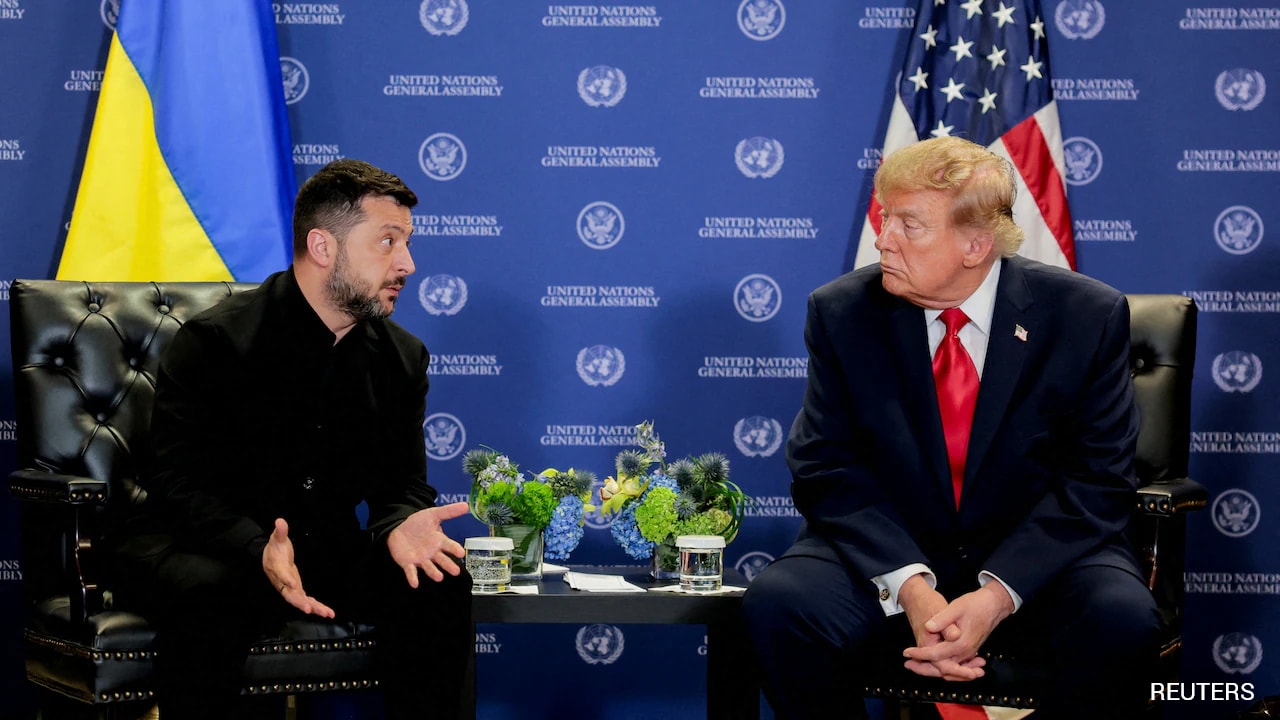
High-stakes diplomacy rarely follows a straight line. Right now, the tension between Washington and Kyiv centers on a very specific tactical trade-off. Ukrainian leadership faces a brutal barrage of Russian ballistic missiles while simultaneously managing heavy pressure from the United States to halt long-range drone strikes on Russian oil infrastructure.
President Volodymyr Zelenskyy put forward a clear proposal on the table. If Washington provides desperately needed Patriot air defense interceptors for a matching period, Kyiv will freeze its operations against Russian refineries. It is a transactional proposition born out of sheer necessity rather than diplomatic niceties.
The High Cost of Dwindling Air Defenses
Sky-high fuel prices and political pressures ahead of major elections have historically driven American administrations to urge restraint from Ukraine. White House officials worry that targeting Russian oil-processing facilities disrupts global energy markets and spikes gasoline costs.
However, Ukraine views those exact refineries as legitimate economic pressure points that force Moscow to feel the weight of its own war. When Russian missiles rain down on Ukrainian residential areas and power grids daily, stopping strategic counter-attacks without robust air defense guarantees feels like a losing proposition.
The math is simple on the ground. Ukraine lacks enough interceptors to shield its cities from relentless aerial bombardment. While the United States recently green-lit a substantial sale of 500 Patriot missiles, logistical realities mean actual delivery can take years rather than weeks. Kyiv needs immediate protection today, not a distant promise on paper.
The Strategy Behind The Trade-Off
Offering a 30-day pause on refinery strikes in exchange for 30 days of protected skies sounds simple, but the geopolitical implications run deep. Zelenskyy has repeatedly argued that unilateral concessions to appease international partners rarely stop Russian aggression. Instead, past pauses have sometimes been met with intensified infrastructure attacks from Moscow.
Critics often accuse Kyiv of trying to leverage American political vulnerabilities. Zelenskyy dismisses that framing completely. He maintains that blunt transparency is the only viable path forward when allied survival is on the line.
If Washington expects Kyiv to hold back its long-range capabilities, the logical counterweight involves securing the civilian population from incoming ballistic threats. Without that mutual protection, drone operations targeting Russian fuel hubs will inevitably resume.
What Comes Next For Kyiv And Washington
Diplomatic friction between allies is nothing new, but this particular disagreement cuts straight to the core of military survival. Trilateral talks and ongoing negotiations face steep hurdles as long as the fundamental disagreement over energy infrastructure remains unresolved.
Expect further friction unless an interim compromise materializes regarding immediate air defense stockpiles. Until then, strategic calculations on both sides will dictate the next move on the battlefield.
Ukraine Russia War | US Clears $2.1 Bn Patriot Deal For Ukraine, Zelenskyy Seeks Faster Delivery
This video provides an in-depth look at the recent developments surrounding the US Patriot missile deals and Ukraine's ongoing requests for expedited military supply deliveries.