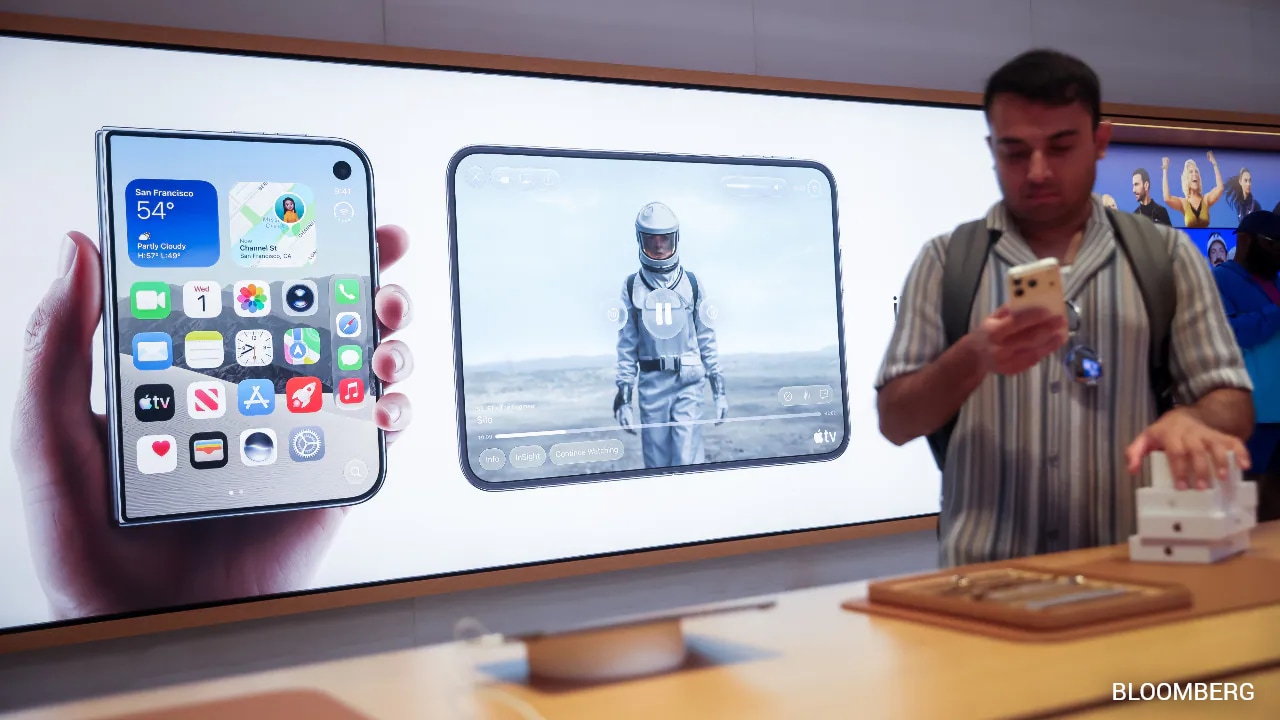
Launch day lines outside retail stores looked dead for years. You could preorder a device from your couch, pick a convenient 15-minute delivery window, and avoid human contact entirely. Then the iPhone Duo arrived. Suddenly, sidewalks outside flagship locations filled up again. People stood outside for hours just to gamble on unallocated day-one inventory.
Apple set a new ceiling for mainstream consumer tech pricing with this release. The base model starts at a cool two grand. If you want the maximum two-terabyte configuration, you're looking at a staggering $3,199. For that price, you can buy a high-end gaming laptop, a decent used car, or a couple of round-trip international flights. Yet thousands of buyers ignored the sticker shock. They flooded pre-order portals until servers buckled and shipping windows stretched deep into January.
This isn't just another incremental upgrade with a slightly better camera lens. It represents the biggest physical redesign in the history of the product line. After watching competitors test and stumble through foldable hardware experiments for years, Apple finally entered the fray. They didn't rush. They waited until they could build something that felt finished. Now, the market is paying the price—literally and logistically.
The Economics of Ultra-Luxury Hardware
We have entered an era of consumer electronics where four-figure price tags no longer scare people away. Android manufacturers tried pushing the envelope with foldable devices for years, keeping prices hovering around eighteen hundred dollars. Apple bypassed that ceiling entirely, proving that brand loyalty combined with a massive architectural shift commands a heavy premium.
Consumers aren't just paying for silicon and glass. They are paying for a complete shift in device form factor. When folded, it functions like a standard handset. When opened, it transforms into a miniature tablet. That kind of versatility attracts a specific buyer. Early adopters, tech enthusiasts, and high-end creators jumped on preorders within minutes. Resellers quickly listed units on secondary markets with markup fees that would make your head spin.
Critics questioned whether anyone would shell out mortgage-payment money for a phone. The answer sits right outside the Fifth Avenue store in New York City, where queues formed the night before launch. Demand crushed supply from the second preorders opened. People want the newest status symbol, and Apple delivered the ultimate trophy piece.
Why Manufacturing This Phone Is a Nightmare
Building a foldable device is painfully difficult. Regular slab phones use flat glass panels that roll off automated assembly lines by the millions. The iPhone Duo requires a complex multi-layered display and an advanced mechanical hinge that can withstand tens of thousands of folding cycles without degrading.
Engineering that hinge took years of trial and error. The tolerances are microscopic. If a single component deviates by a fraction of a millimeter, the screen develops a permanent crease or fails entirely under pressure. Because of these manufacturing bottlenecks, production is heavily constrained. Apple builds these units in a select few facilities located in China. Unlike traditional iPhones, which now see diversified manufacturing footprints spreading into regions like India, the Duo requires specialized cleanrooms and highly trained technicians.
These physical constraints explain why inventory is scarce. Apple allocated only a tiny fraction of total production to physical retail stores for walk-in buyers. If you missed the midnight preorder rush, your odds of snagging one off the shelf depend entirely on pure luck and standing in line before dawn.
A Strategic Shift in Release Timelines
Apple historically drops its entire smartphone lineup in September. Every single model, from the standard edition to the top-tier Pro Max, hits shelves within a synchronized global wave. This year shattered that tradition completely.
The iPhone 18 Pro and Pro Max arrived in mid-September as usual. But the iPhone Duo was held back, landing later in October. Industry analysts point to a deliberate shift in corporate finance and inventory management. Spreading out hardware launches keeps revenue streams steady across different quarters instead of piling everything into the holiday rush. It also prevents factories from buckling under the weight of producing four entirely different chassis designs simultaneously.
What This Means for Standard Models
If you are waiting for the baseline iPhone or the ultrathin Air variant, you have to exercise patience. Those models won't materialize until next year. Apple is intentionally staggering releases to give supply chains breathing room. Component shortages for advanced displays and high-density batteries affect the entire consumer electronics sector. By staggering the hardware drops, the company mitigates risk and keeps component suppliers from burning out.
Comparing the Duo to Past Hardware Debuts
Tech journalists love drawing parallels to past misfires whenever Apple tries something radical. When the Vision Pro headset launched a few years ago, early excitement gave way to quiet stores and a swift cooling of public interest. Skeptics predicted the exact same fate for the iPhone Duo.
They were wrong.
The Vision Pro was an entirely new product category requiring users to strap a heavy computer to their face for productivity and entertainment use cases that most people didn't understand yet. The iPhone Duo is still an iPhone. It runs iOS. It fits in your pocket. It works naturally inside an ecosystem millions of people already rely on every single day. The learning curve is zero. That familiarity makes a two-thousand-dollar price tag an easier pill to swallow for consumers who want advanced tech without changing how they communicate.
Dealing With the Current Shortage Realities
If you try to buy an iPhone Duo right now, reality hits hard. Apple's online store displays estimated delivery dates stretching into late January. Some buyers who locked in orders during the opening minutes saw their dates bump up to November or December, but those windows closed instantly.
Resellers are capitalizing on this scarcity. Auction sites feature units marked up by hundreds or thousands of dollars. Buying from a scalper carries real financial risk and zero warranty protection outside of whatever Apple's standard initial policy covers.
Tips for Scoring a Unit Without Getting Scammed
- Check local stock daily: Apple updates retail inventory reservations online early in the morning. If your local store receives an unallocated shipment, you can snag it for in-store pickup.
- Skip the third-party markup: Do not pay inflated reseller prices on secondary marketplaces. The hardware shortage will ease as factory yields improve heading into the new year.
- Verify return windows: If you manage to buy a unit and realize the foldable format isn't practical for your daily workflow, know the exact return window so you don't get stuck with a luxury device you rarely use.
The Broader Impact on the Mobile Industry
Every time Apple enters a new product category, the rest of the market shifts. Samsung and Google already have established folding phones on the market, but their consumer reach is nothing compared to the cultural gravity of the iPhone.
By validating the foldable form factor at a massive luxury price point, Apple just handed competitors a massive win in market normalization. Consumers who previously dismissed folding phones as fragile tech gimmicks are now taking a second look because the Apple logo sits on the back. Competitors won't mind the competition because a rising tide lifts all folding boats. More consumer interest means faster component innovation, cheaper manufacturing costs down the line, and wider carrier financing options.
The era of the standard glass slab phone is drawing to a close, not because people hate flat screens, but because hardware manufacturers desperately need new ways to justify annual upgrades. When phones started looking identical year after year, innovation stalled. Folding screens break that monotony.
What Comes Next for Apple Users
We are watching a transition period unfold in real time. The smartphone market split into two distinct tiers: utilitarian devices for everyday communication, and ultra-luxury status pieces for enthusiasts willing to pay top dollar.
If you have the cash and love being first in line for hardware revolutions, the iPhone Duo delivers on its promise. It is bold, expensive, and brilliantly engineered. If you prefer financial sanity and want to wait until second-generation models iron out the inevitable manufacturing kinks, sit tight. Your current phone will survive another twelve months just fine.
Stop stressing over missing out on launch day. Keep an eye on local store inventory drops, avoid overpriced scalpers, and let the initial manufacturing frenzy settle down. The future of mobile tech is folding open, but you don't need to break your bank account on day one to be part of it.