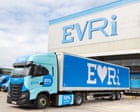
You’ve probably had a parcel delivered by them. You might even have tracked its progress on your phone this morning. Now, delivery giant Evri is hitting back at the UK’s main broadcaster in a major legal showdown.
The company just launched a £1.2 million libel lawsuit against the BBC over a stinging Panorama investigation. High Court filings show that Evri claims a 15-minute chunk of the documentary, titled "Evri: Where’s My Parcel?", directly destroyed its chances of landing major corporate contracts.
This isn't just a corporate squabble. It highlights a massive clash between under-the-hood gig economy realities and the high-stakes world of corporate reputations. When a brand name becomes synonymous with missing Christmas deliveries or underpaid drivers, rebuilding that trust costs serious money.
The Core of the Legal Battle
The actual documentary aired back on December 15, 2025. Panorama reporters went undercover to expose what they described as intense working conditions in a specific delivery unit, interviewing disgruntled customers and couriers who claimed they could barely make ends meet.
Evri's legal team, led by Hugh Tomlinson KC, argues the broadcast explicitly misled the public. The High Court filings detail two main complaints. First, the show implied Evri used exploitative business models designed to shortchange couriers below the national minimum wage. Second, it alleged the company lied to a House of Commons parliamentary committee about those exact pay practices.
Evri completely rejects this narrative. They insist their drivers earn well above the legal minimum wage and that the business offers a reliable, competitive service across its massive network.
Why Evri Wants 1.2 Million Pounds
Most big corporations ignore bad press or put out a bland PR statement. Evri is doing the opposite. They are chasing special damages for lost profits.
According to the legal claim, the company can point to specific prospective clients who walked away from deals solely because of the Panorama episode. The pre-tax profits from those lost contracts sit at an estimated £1,164,434.
On top of that, Evri’s management team notes they spent nearly £33,000 just dealing with the immediate aftermath. That money went toward explaining the situation to panicking retail partners and preparing testimony for a House of Commons committee inquiry triggered by the broadcast.
They aren't just looking for a payout, though. Evri is fighting for an injunction to stop the BBC from ever broadcasting those claims again. If you log onto BBC iPlayer today, the episode is still there, but it now features a blunt legal warning acknowledging the active defamation claim.
The Private Equity Stakes
To understand why Evri is playing hardball, you have to look at who owns them. This isn't the old Hermes brand that people loved to complain about on Twitter before the 2022 rebrand.
In 2024, US private equity giant Apollo Capital Management bought Evri for a staggering £2.7 billion. Following that, Evri absorbed the UK e-commerce division of DHL. When a global private equity firm invests billions into a delivery network that processes roughly 900 million parcels a year, reputation translates directly to asset value.
A tarnished reputation makes it incredibly difficult to win contracts from major high-street retailers who don't want their own brands dragged down by delivery scandals. Evri's lawyers also noted that the broadcast could scare off potential couriers who worry they won't make a fair living, creating a massive recruitment headache in an industry that relies on a constant stream of drivers.
What Happens Next
The BBC is staying tight-lipped, noting that they don't comment on active legal matters. They haven't filed their official defense yet, but when they do, expect them to lean heavily on public interest defense laws and the journalistic integrity of their undercover reporting.
For regular online shoppers and retail businesses, this case will likely set the tone for how investigative journalism tackles the gig economy.
If you are running an e-commerce store or managing retail logistics, the smartest move right now is to diversify your carrier options. Relying on a single delivery partner leaves your business vulnerable to sudden PR storms or operational pressures. Keep a close eye on court developments over the coming months, as the final ruling will likely shift how major delivery firms handle their public images and driver relations.