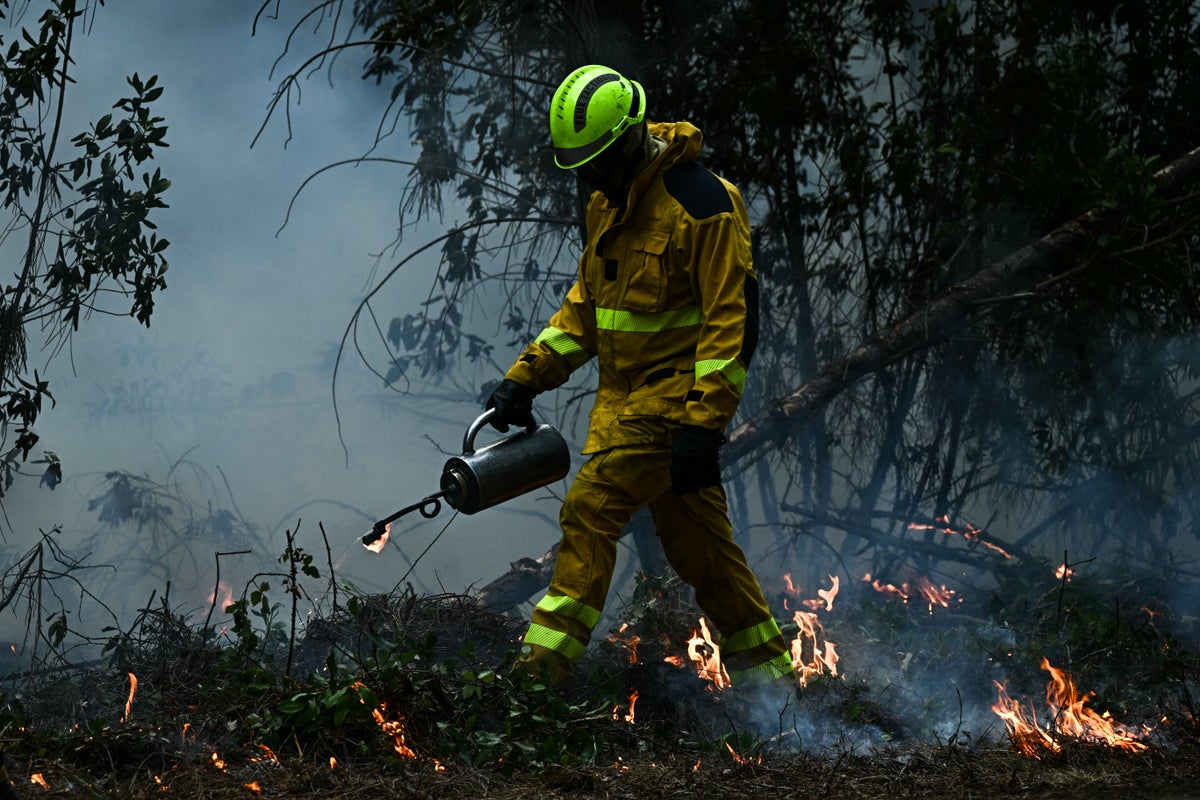
Europe is burning, drying out, and slowing down. If you still think climate change is just an environmental talking point for future generations, look at what happened to the continent's economy this summer.
When temperatures push past 40°C for weeks on end, entire industrial supply chains stall. Rivers drop to mud puddles, cargo ships sit stranded, and factories scale back production. This isn't a distant projection. It is the raw, expensive reality unfolding right now across the eurozone. Meanwhile, you can read similar developments here: Why The Western Wildfires Caught Everyone Off Guard.
The Rhine and the Logistics Nightmare
Germany’s Rhine river is the central artery for central European trade. It carries chemicals, coal, steel, and manufactured goods straight from ports to factories. When water levels plummet due to persistent drought, container barges can only load a fraction of their normal weight.
That means shipping costs skyrocket overnight. Companies have to deploy five barges to move what one used to carry. To see the full picture, we recommend the recent analysis by The Guardian.
Take heavy industry giants like BASF, Thyssenkrupp, and Evonik. When the Rhine drops too low, their manufacturing output drops with it. Thyssenkrupp has repeatedly been forced to limit hot metal production because raw materials simply cannot reach their furnaces on time. Economists at Deutsche Bank estimate that prolonged low water levels on the Rhine alone can shave up to 0.2 percentage points off German economic growth.
It gets worse further east. In Hungary and Romania, rivers dropped so low that nuclear power plants faced critical cooling shortages, forcing operators to take reactors offline or cut generation. When your base-load energy grid stumbles because the rivers are too warm and shallow, every downstream business pays the price.
Wildfires and the Human Toll on Workforce Productivity
We tend to focus on the charred forests of France and Spain when we talk about wildfires, but the economic bleeding goes much deeper. Hundreds of thousands of people have been evacuated from homes and tourist hubs. Tourism, which makes up over 15 percent of Spain's GDP, is taking a structural hit as travelers rethink booking summer holidays in regions plagued by choking smoke and unbearable heatwaves.
Factories and construction sites face a different crisis: simple human exhaustion. Labour productivity plunges when workers are subjected to blistering heat inside unconditioned facilities or outdoors. In France, tens of thousands of workers have been placed on government-subsidized short-time work schemes because extreme weather made normal operations impossible.
German research firm Prognos calculated that climate-related disruptions cost the country billions of euros in just a single fortnight of early summer. That tally didn't even factor in soaring energy bills, broken machinery, or long-term infrastructure decay.
Why Traditional Economic Models Are Failing
For decades, financial institutions treated weather extremes as statistical outliers—one-off anomalies that insurance could easily absorb. That model is officially broken.
Data from economic think tanks like Bruegel shows that direct economic losses in the EU due to weather extremes have accelerated aggressively. A massive fraction of the total damage recorded over the last four decades happened in just the last four years.
The European Central Bank and the University of Mannheim project a permanent drag on economic output due to climate shocks. This isn't just about paying to rebuild a burned bridge or repair a drought-cracked road. It is about capital accumulation slowing down, insurance premiums pricing smaller businesses out of the market, and investors demanding higher risk premiums to operate in regions prone to climate volatility.
What Businesses and Policymakers Must Do Now
Governments are scrambling to catch up, but most policies still focus on emergency response rather than structural adaptation. Waiting for a disaster to happen and then deploying relief funds is a losing strategy.
If you run a business with exposure to European supply chains, you need to audit your vulnerability right now.
- Diversify logistics routes: Do not rely on single inland waterways like the Rhine or Danube for critical inventory. Establish rail and road contingency contracts before drought season hits.
- Redesign operational schedules: Shift heavy labor hours to cooler morning blocks to protect worker health and maintain baseline productivity during heat spikes.
- Reassess geographical risks: Factor long-term water stress and wildfire proximity maps into your real estate and warehouse leasing decisions.
Europe's economic engine is sputtering under the weight of a changing climate. Pretending these summer disruptions are temporary anomalies will only make the inevitable adjustment costlier. Stop budgeting for a normal summer, because normal is gone.