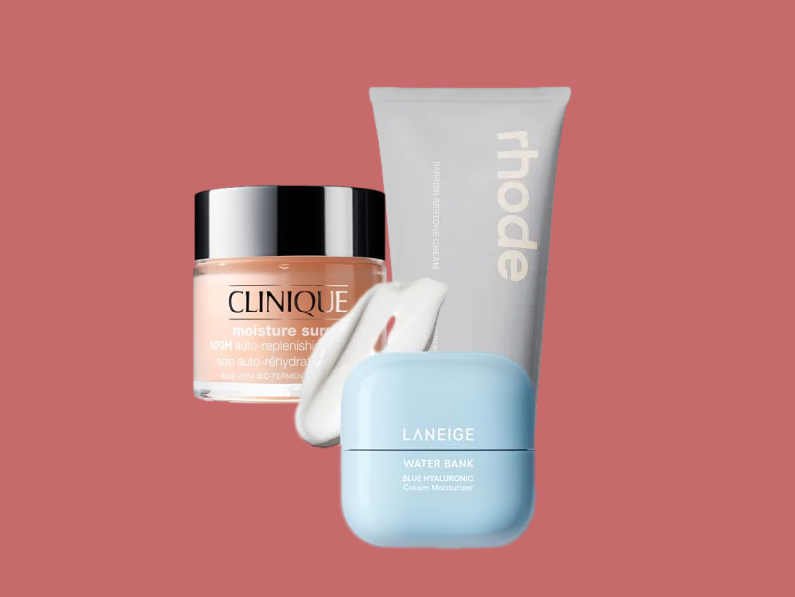
You have a bathroom cabinet full of half-used face moisturizers, yet your skin still feels tight and flaky by midday. It's frustrating. You spend fifty bucks on a jar promising miraculous hydration, only to watch it sit on your skin like plastic or evaporate into thin air within two hours.
The beauty industry loves selling you fancy jars with celebrity endorsements and buzzwords. What they rarely explain is how humectants, emollients, and occlusives actually have to work together based on your specific climate and skin barrier health. If you skip one of these three puzzle pieces, your skin stays thirsty no matter how expensive the cream is.
Let's break down why your routine isn't working and look at the heavy hitters that actually deliver deep, lasting moisture without breaking the bank or clogging your pores.
The Chemistry Behind Real Hydration
Most people confuse hydration with moisturization. They are entirely different things.
Hydration means putting water into the skin cells using humectants like hyaluronic acid, glycerin, or sodium PCA. Moisturization means sealing that water in so it doesn't escape through transepidermal water loss. If you slap pure hyaluronic acid on your face in a dry room without locking it down with an occlusive or emollient, it pulls moisture out of your deeper skin layers instead. That is why your face feels tighter after using certain serums.
You need a balanced formula. Brands like CeraVe figured this out years ago by focusing heavily on ceramides to patch up the physical lipid barrier, which explains why basic tubs like CeraVe Daily Moisturizing Cream often outperform luxury designer jars that rely heavily on artificial fragrances and silicones.
Selecting the Right Texture for Your Skin Type
Stop buying heavy creams just because winter is coming or light gel-creams because it's summer. Your skin's actual barrier function dictates what you need.
If your skin feels reactive, stings when you apply sunscreen, or flakes constantly, your lipid barrier is compromised. You need barrier repair creams packed with fatty acids and squalane, similar to Kiehl's Ultra Facial Cream or La Roche-Posay Toleriane Sensitive Face Cream. These formulas mimic your skin's natural oils and stop the burning sensation fast.
If you deal with excess oil production but still experience dry patches, heavy butters will trigger breakouts. Lightweight gel-creams or fluid emulsions provide the water content your skin craves without clogging your pores.
Beyond the Jar: Application Mistakes to Avoid
Even the best moisturizer on the market will fail if you apply it incorrectly.
Dermatologists constantly see people drying their faces completely with a rough towel before slathering on skincare. That is a mistake. Apply your humectant-based moisturizers to slightly damp skin. This gives the humectants actual water molecules to grab onto and pull into the epidermis.
Another common trap is layering too many active ingredients. If you are slathering on prescription retinoids or strong chemical exfoliants every single night, no moisturizer can save your barrier. You have to pull back, focus strictly on basic hydration for a week, and let your skin heal.
What to Look For Right Now
When you are scanning ingredient lists, ignore the marketing fluff on the front of the box. Look directly at the back.
- Glycerin: Often cheaper and more effective than hyaluronic acid at pulling water into the skin.
- Ceramides (NP, AP, EOP): Essential for rebuilding a damaged skin barrier.
- Squalane: A lightweight emollient that mimics natural sebum without causing acne flare-ups.
Skip products loaded with synthetic fragrance and essential oils if you have any tendency toward rosacea or eczema. They might smell like a luxury spa, but they trigger low-grade inflammation that ruins your skin over time.
Assess what your skin is telling you right now. Strip your routine down to a gentle cleanser, a simple hydrating cream, and a reliable SPF. Give your barrier two weeks to recover before adding anything else back into the mix.