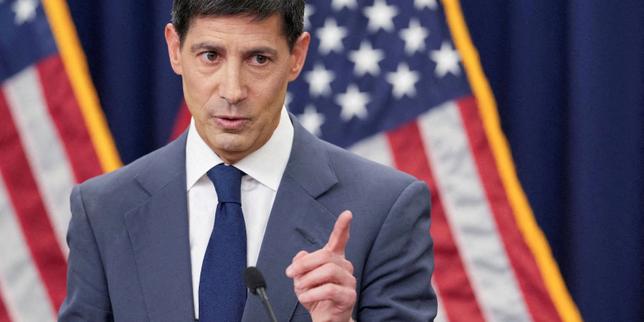
The Federal Reserve just chose immobility over intervention. On July 29, 2026, central bankers voted to keep interest rates locked between 3.50% and 3.75%, marking the fifth consecutive meeting without a shift.
Inflation refuses to hit the target 2% baseline, yet the committee opted for patience. Why? Because the American economy keeps showing stubborn strength, leaving monetary policymakers trapped between political pressure, geopolitical shocks in the Middle East, and roaring market expectations.
If you are trying to understand where your money, investments, or business loans are heading next, this latest freeze tells a much deeper story about institutional gridlock.
The Inside Split Within the Central Bank
Unanimity is dead at the Fed. The recent 9-to-3 vote revealed a level of internal friction we haven't seen in years.
Three regional bank presidents broke ranks, demanding an immediate quarter-point hike to tackle rising price pressures head-on:
- Loretta Mester from Cleveland
- Neel Kashkari from Minneapolis
- Lorie Logan from Dallas
These dissenters argue that keeping money cheap while consumer costs climb is a recipe for disaster. On the other side, leadership under Kevin Warsh pointed to an impressive economic foundation to justify standing still.
When the people steering the monetary ship start publicly arguing about the direction, markets stop trusting the map.
Stripping Away the Guidance
For years, Wall Street relied on the central bank to provide a predictable roadmap for future rate decisions. That era is officially over.
By refusing to commit to a clear path for autumn, the committee is forcing investors to fly blind. You can't plan corporate financing six months out when policy shifts on a whim based on incoming data reports and global headlines.
Critics like economist Peter Schiff didn't hold back, arguing that choosing inaction while inflation lingers is a backdoor choice to let consumer purchasing power erode. Whether you view that take as alarmist or realistic, the immediate market reaction was swift. Cryptocurrencies and equities ticked upward on the news, treating a lack of bad news as a direct green light for risk.
What This Means for Your Strategy
Stop expecting rate cuts anytime soon, but stop panicking about sudden spikes either. The Fed is stuck in a holding pattern.
If you are managing a business budget or personal debt, take these steps right now:
- Lock in fixed rates where possible before market volatility shifts again.
- Reevaluate cash reserves against a backdrop of sticky, long-term inflation.
- Ignore short-term market hype following each policy meeting and focus on quarterly labor and consumer price data instead.
The central bank is hoping the storm blows over by itself. You shouldn't bank your financial future on that hope.