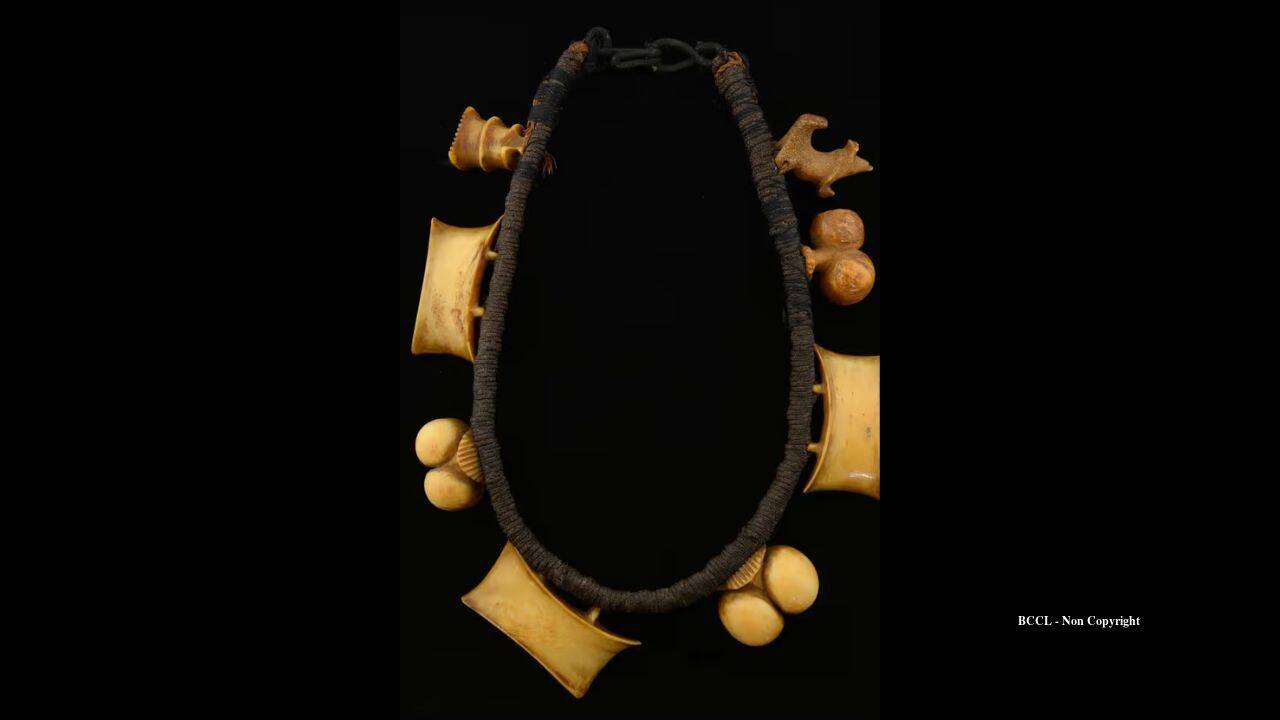
You are cleaning out an old house and throwing junk into boxes. You find a strange, rough-looking necklace made of bone and hair. It looks weird, maybe a bit creepy, so you slap a fifteen-pound price tag on it for a local car boot sale. Nearly everyone would toss it in the bin or let it go for pocket change. One house clearance firm owner almost did exactly that.
Instead, a last-minute change of heart sent that same strange necklace to Ewbank's auctioneers in Surrey. It turned out to be an 18th-century Polynesian treasure from the Austral Islands crafted from human hair and sperm whale bone. When the hammer finally dropped, it fetched a staggering ninety-nine thousand pounds.
Most people have no clue what old items sitting in their attic or garage are actually worth. They look at age-worn trinkets, kitchen clutter, or inherited ornaments and assume they're worthless. This sensational auction result proves that true value hides in plain sight, waiting for the right expert eye to decode its history.
The Close Call at the Car Boot Sale
House clearances are messy, exhausting work. You deal with decades of accumulated belongings, forgotten memories, and strange oddities from relatives long gone. When a house clearance firm owner gathered a batch of items destined for the A3 car boot sale opposite Ewbank's auction rooms, this necklace was part of a box marked for a meager fifteen pounds.
Think about how easily history vanishes. If the owner had stuck to the original plan, the necklace would have sat on a folding plastic table on a chilly morning, sold to a random bargain hunter for a tenner, and its true identity might have stayed hidden forever.
At the eleventh hour, something prompted the vendor to pull the item from the car boot pile and bring it into the auction house for a professional look. That single pivot changed everything. It serves as a blunt reminder for anyone clearing estates: never discard the unusual items before getting a professional appraisal. What looks like weird junk to an untrained eye can represent centuries of unique cultural heritage.
Unlocking the History of the Austral Islands Necklace
Specialists at Ewbank's quickly realized this wasn't ordinary costume jewellery. Senior partner and auctioneer Chris Ewbank examined the piece and identified it as a rare late 18th-century necklace originating from the Austral Islands in the South Pacific.
In historical Polynesian societies, objects constructed from human hair and sperm whale bone carried immense social, spiritual, and tribal significance. They weren't just decorative items for everyday wear; they were status symbols and sacred artifacts tied to community leaders and island traditions. Surviving examples from the late 1700s are exceptionally scarce.
When items enter the tribal art market, authentication and historical provenance drive the entire valuation process. Collectors don't care if an item looks shiny or modern. They look for authenticity, material rarity, and direct connection to indigenous craftsmanship. That's why initial conservative estimates of sixty to one hundred pounds—or even subsequent pre-sale estimates of twenty to thirty thousand pounds—were completely shattered when global buyers entered the room.
The Bidding War That Shocked the Room
Auction rooms thrive on fierce competition, but few items generate the intense rivalry seen when this Polynesian necklace hit the block. Initial expectations were high once the catalog went live, drawing massive interest from international collectors and museums tracking rare Pacific artifacts.
In the salesroom, local bidders quickly pushed past fifty thousand pounds before dropping out of the race. The real action turned into an intense showdown between a French bidder utilizing Ewbank's live online bidding platform and an Australian telephone bidder thousands of miles away.
Back-and-forth bids drove the price higher and higher until the hammer finally stopped at an astonishing ninety-nine thousand pounds. It broke company records, standing as the highest sale at Ewbank's for the year and setting a new benchmark for their live online bidding system launched just months prior.
What You Can Learn from This Estate Clearance Find
People often ask how to spot hidden treasures in their own homes. The truth is, you usually can't unless you know what specific niche markets demand. You don't need to be a millionaire art dealer to stumble upon something valuable, but you do need common sense and caution.
- Stop throwing away old organic materials like bone, horn, tortoiseshell, or intricate hair-work pieces without checking their age.
- Look closely at items brought home from colonial-era travels, missionary trips, or old maritime voyages.
- Consult specialist auction houses rather than general pawn shops when dealing with non-Western artifacts, tribal art, or unusual historical textiles.
- Accept that provenance matters far more than surface condition. A worn, aged artifact often commands a massive premium precisely because it survived centuries of wear.
Old cupboards, forgotten garden sheds, and dusty attics hold decades of material history. The next time you face the daunting task of sorting through an estate or clearing out an old relative's home, look twice at the weirdest objects in the box. A fifteen-pound throwaway item might just change your life.