Misinformation kills faster than any virus. In eastern Democratic Republic of Congo, speaking truth about a public health crisis can cost you your life. Marie-Celestin Karondwa, a senior leader of the ruling UDPS party, stepped out of a radio studio in Butembo, North Kivu, after urging local residents to adopt basic Ebola prevention measures. Hours later, he was beaten to death by a crowd in his own neighborhood. His attackers looted his belongings and set his house on fire.
This isn't an isolated incident of mob violence. It is part of a recurring, tragic pattern in the region where public health workers, activists, and politicians face extreme hostility when trying to contain deadly outbreaks.
The Anatomy of Deep Public Mistrust
Why do communities turn violently against the very people trying to keep them alive? Decades of armed conflict, political instability, and broken promises by authorities have created a profound vacuum of trust in eastern Congo. When an invisible killer like the Ebola virus strikes, many locals look at official medical campaigns with deep suspicion. Rumors spread quickly through neighborhoods—some claim the disease is a political fabrication, while others believe treatment centers are vectors of infection rather than places of healing.
When figures like Karondwa use local radio broadcasts to defend the government's position on the existence of the virus and the real threat it poses, they cross an invisible line. To angry or skeptical residents, they aren't educators sharing life-saving facts; they're viewed as agents of an establishment many citizens distrust.
The numbers surrounding the outbreak paint a grim picture. Government data released in late September 2026 shows that the outbreak, which was declared on May 15, has already infected 8,067 people and claimed 3,901 lives. Yet, despite a mortality rate that demands urgent action, the response is constantly hampered by violence and resistance on the ground. Just a day before Karondwa's murder, armed men attacked a hand-washing checkpoint in nearby Beni territory, killing at least one person and wounding several others.
The Cost of Speaking Out
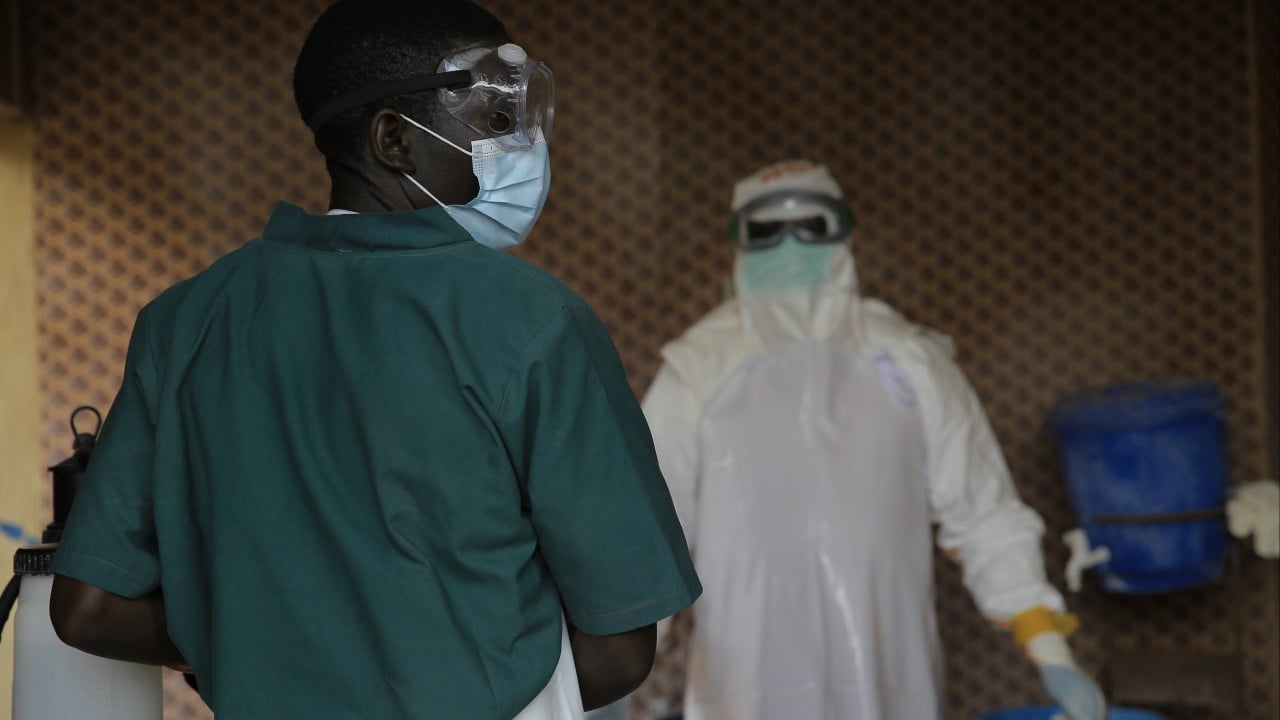
You have to look at the immense danger faced by anyone willing to step up on the front lines. Medical teams, community liaisons, and local politicians operate in an environment where wearing a vest or holding a microphone makes you a target.
Karondwa's party rightly called him an innocent victim for defending public safety against a lethal pathogen. But official condemnations from political capitals won't stop the violence. Local authorities in Butembo struggle to maintain order, and the perpetrators of these lynchings rarely face swift justice, leaving a climate of impunity that encourages further attacks on health infrastructure.
Containment efforts cannot succeed through top-down mandates alone. Public health officials must bridge the chasm of mistrust by working directly with grassroots community elders, local youth groups, and independent trusted voices. Without community-led dialogue that addresses skepticism at its root, every radio broadcast about hygiene and isolation risks becoming a death sentence for the speaker.
The fight against infectious disease in eastern Congo is as much about restoring social contract and credibility as it is about medicine. Until authorities address the underlying anger and alienation of these communities, health workers and advocates will continue to pay the ultimate price for telling the truth.