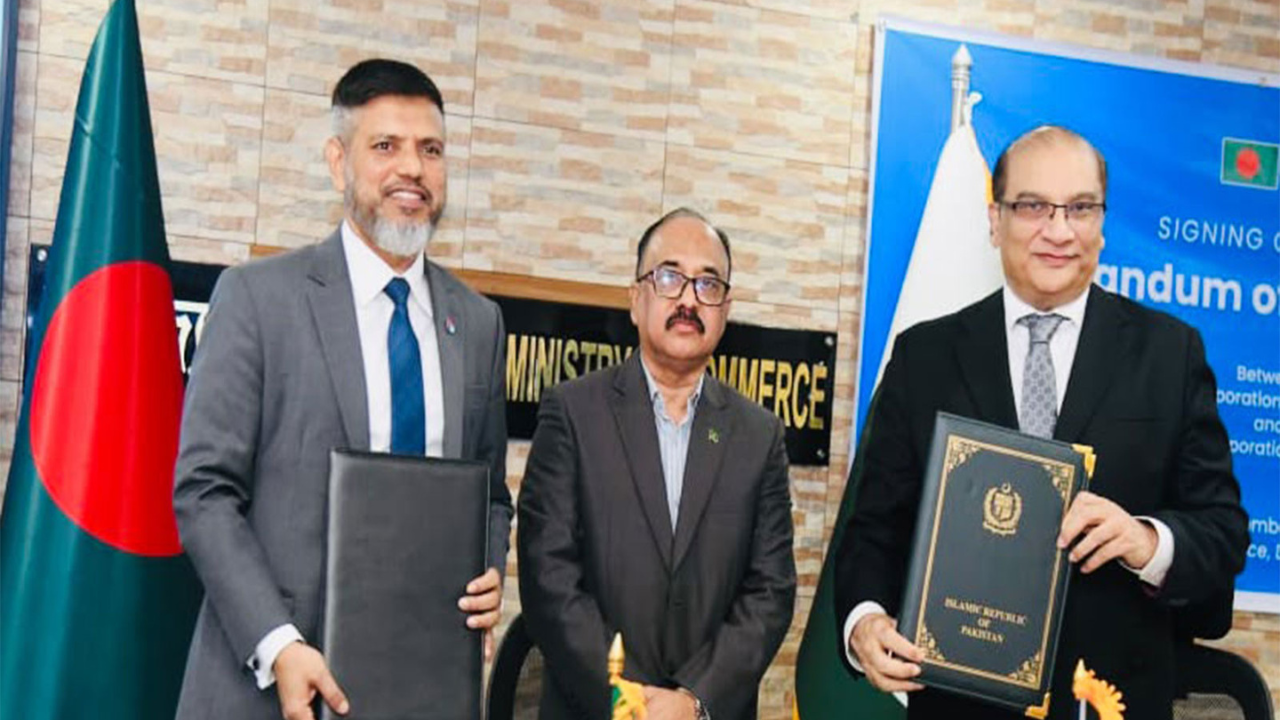
Dhaka and Islamabad just signed a five-year trade pact on Sunday, November 29, 2026, aiming to smooth out government-to-government deals on staples like rice, wheat, sugar, edible oil, and pulses. Sounds big on paper. Honestly, if you read the fine print, it's a starting gun, not a finish line.
The pact links the Trading Corporation of Bangladesh (TCB) and the Trading Corporation of Pakistan (TCP). It doesn't lock either side into buying or selling fixed volumes tomorrow morning. Instead, it sets up a formal channel so state agencies can negotiate separate deals on prices, quantities, quality rules, and delivery schedules when shortages or surpluses pop up. Recently making headlines in this space: Why Crude Oil Prices React When Trump Urges Putin And Europe Faces U.s. Troop Cuts.
Why does this matter right now? Because both economies feel the squeeze of imported food inflation and shifting global supply chains. Diversifying where essential goods come from isn't just diplomatic theater when staple prices jump at home.
What the Five-Year Bangladesh Pakistan Trade Pact Actually Covers
Let's strip away the ceremonial ribbon-cutting and look at what the deal does. A memorandum of understanding between two state trading bodies creates a legal and administrative lane for direct procurement. That matters when private markets get choppy or global export restrictions hit sudden bottlenecks. More insights into this topic are detailed by Bloomberg.
Under the agreement, TCB and TCP can work together on essential commodities, agricultural products, and agricultural inputs. Think grains, cooking oils, lentils, sweeteners, and farm supplies. If either country sees a domestic crunch or a bumper crop, there's now a standing framework to talk turkey without starting from scratch every time.
Pakistan's High Commissioner to Bangladesh, Imran Haider, pointed out that Islamabad is ready to supply surplus basmati rice, onions, potatoes, and spices based on what Dhaka needs. TCB Chairman Brigadier General Mohammad Faisal Azad noted that both sides will focus on identifying specific items, setting competitive prices, keeping quality on track, and hitting delivery windows.
There's also an auto-renewal clause. Unless one side steps away, the pact rolls over for another five years after the initial run, though either government can exit with at least three months' written notice through diplomatic channels. Simple enough. Flexible enough to avoid locking anyone into bad prices.
Why Bilateral Trade Numbers Tell a Lopsided Story
If you've watched South Asian trade flows for a while, you know that signing an MoU doesn't automatically fix structural imbalances. Look at recent trade data from sources like the Observatory of Economic Complexity and UN COMTRADE figures tracked via Trading Economics. Trade between the two countries has been relatively modest compared to their total global commerce, and it tilts heavily one way.
Historically, Pakistan exports hundreds of millions of dollars worth of goods to Bangladesh—heavily led by cotton textiles, woven cotton fabrics, and yarn feeding Bangladesh's massive garment sector—while Bangladesh's direct exports to Pakistan have been a fraction of that, mostly items like jute products, pharmaceuticals, and fibers. That gap leaves a sizable bilateral trade deficit on Bangladesh's side.
Why has trade stayed so small relative to population size and shared history? High shipping costs, non-tariff friction, inconsistent direct maritime links, and years of cool political ties all played a role. Even when commodities make sense on paper, logistics and payment terms can kill a deal fast if freight rates spike or inspection rules clash.
Still, small signs of movement have been showing up before this signing. Reports from The Daily Star noted recent steps like Pakistan withdrawing anti-dumping duty on Bangladeshi hydrogen peroxide and a first consignment of Bangladeshi pineapples reaching Karachi from Dhaka in October. Those aren't huge dollar figures yet. They're signals that commercial channels are being tested again.
What Most People Get Wrong About G2G Commodity Deals
Here's a mistake I see people make whenever governments sign a big-sounding trade pact: they assume prices will magically drop next week. That's not how state-to-state commodity deals work.
First, an MoU isn't a purchase order. If wheat or edible oil is cheaper from another supplier—or if domestic harvest forecasts shift—neither TCB nor TCP is forced to buy under this framework. Price still rules. If landed costs plus freight don't beat alternatives, the deal sits on the shelf.
Second, agricultural trade has real operational headaches. Onions and potatoes spoil if customs clearance drags. Rice and wheat face strict phytosanitary checks, moisture limits, and port congestion. A handshake in Dhaka doesn't unload a ship faster at Chattogram or Karachi.
Third, food security cuts both ways politically. Governments get nervous exporting staple grains or cooking oils when local retail prices are already high. A country with "surplus" today can restrict exports tomorrow if weather ruins a crop. That's why separate commercial contracts with clear delivery terms matter way more than broad promises.
Practical Moves for Businesses and Policy Watchers
If you run an import-export business, track supply chains, or analyze South Asian markets, don't wait for headlines to catch up with reality. Watch the execution details over the next three to six months.
- Track actual tender and contract announcements: Watch for concrete TCB and TCP procurement notices covering rice, wheat, sugar, pulses, or edible oils rather than relying on the MoU alone.
- Check freight and transit math: Compare landed costs—including sea freight, insurance, port handling, and financing—against current sourcing routes before shifting supplier lines.
- Verify quality and compliance standards early: Make sure documentation, testing certificates, and packaging specs match import rules on both ends so shipments don't sit stuck at port.
- Watch non-food spillovers: Keep an eye on industrial and agricultural inputs, textiles, and niche agricultural items where recent tariff or shipping adjustments are testing real commercial demand.
A five-year pact gives both governments a cleaner runway to test what works and drop what doesn't. Real impact won't show up in the signing photos. It'll show up when ships move on schedule and prices actually make sense.