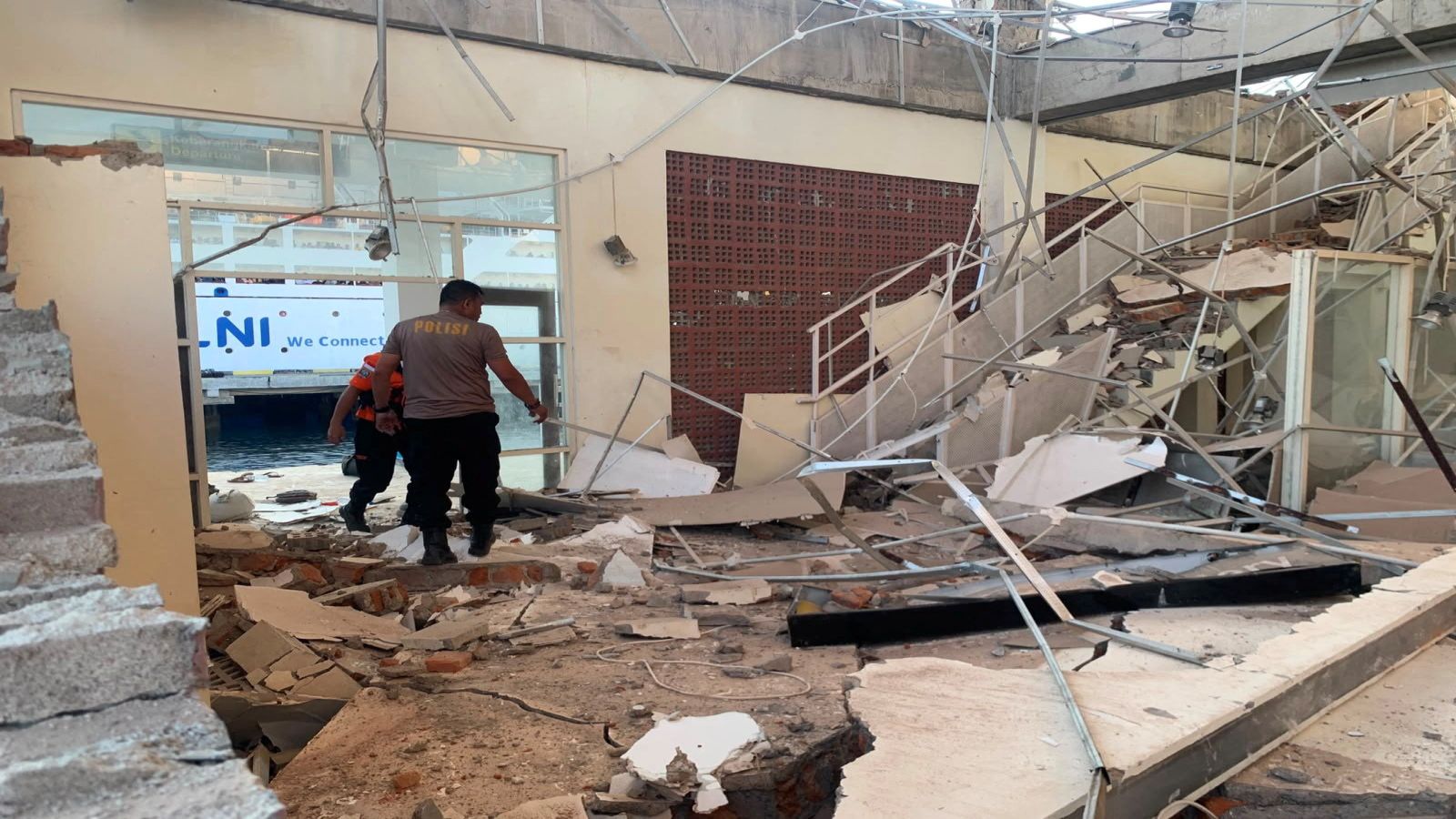
Ground zero doesn't wait for official reports. When a shallow 7.7-magnitude earthquake smashed off the coast of Indonesia’s Flores Island, it didn't just rattle windows—it shattered the dawn. At 5:58 AM on a Saturday, the earth beneath East Nusa Tenggara buckled. If you think this was just another routine tremor in a seismic hotspot, you're missing the terrifying reality of shallow offshore fault lines.
Dozens of lives were lost immediately, buildings pancaked into dust, and thousands of residents fled toward higher ground as hundreds of aftershocks tore through the region. Let's break down what actually happened on the ground, why the damage scaled so quickly, and what emergency responders face right now. If you enjoyed this post, you might want to read: this related article.
The Anatomy of the 7.7 Quake
Depth dictates destruction. This quake struck at a shallow depth of just 10 kilometers (6 miles). Shallow earthquakes pack an immense punch because the seismic energy doesn't dissipate before slamming into surface structures.
The epicenter landed roughly 42 miles north-northwest of Ende in East Nusa Tenggara. Residents felt the violent jolt across multiple regencies. One university professor more than 60 miles away described feeling like they were standing on a giant trampoline. For another angle on this development, check out the recent update from Reuters.
Within hours, over 200 aftershocks hammered the exhausted region, including a menacing 6.1-magnitude jolt that kept survivors from returning to damaged homes.
Landslides and Cut-Off Communities
The shaking was only phase one. The real logistical nightmare came from the mountains.
Massive landslides tore down slopes across Flores Island, choking major arteries like the Trans-Flores highway. Entire segments of mountain roads vanished under tonnes of mud and debris.
- Blocked Access: Rescue teams trying to reach Nagekeo, the region closest to the epicenter, found roads completely severed.
- Communication Blackouts: Power lines snapped, plunging villages into communication dark zones. Local officials couldn't coordinate rescue operations because cellular networks went dead.
- Buried Villages: In regencies like Sikka, Manggarai, and East Nusa Tenggara, search crews pulled bodies from homes crushed by mudslides. Heavy equipment couldn't get through, forcing locals to dig with bare hands and basic tools during the crucial first hours.
Tsunami Alarms and Coastal Impact
A 7.7 magnitude offshore strike instantly triggers tsunami anxiety—and for good reason given Indonesia's history. Authorities issued urgent warnings as wave monitors activated.
While broad-scale catastrophic waves didn't materialize, local impacts were real. Coastal villages in Ngada regency, such as Riung, were blanketed by muddy water after localized tsunami waves reached up to 1.6 meters (5.3 feet). Fishing boats ended up stranded inland, tossed past sea walls by the sudden surge.
The meteorological agency lifted the broader tsunami warning once data confirmed no massive sea-level changes were spreading, but the immediate rush to high ground showed how deeply ingrained survival instincts are along the Ring of Fire.
Hospitals Outdoors and Emergency Chaos
When the floor drops out, medical infrastructure takes an immediate hit. Local television broadcasts captured chaotic scenes of hospital staff rolling patients out into the open air.
IV stands, oxygen cylinders, and hospital beds lined the streets as doctors and nurses set up makeshift triage units under the open sky. They couldn't risk keeping patients inside buildings vulnerable to recurring aftershocks.
At a local seminary in Sikka, morning Mass turned into a frantic scramble when an assembly hall roof collapsed, injuring students and forcing a panicked evacuation.
What Happens Next on the Ground
Recovery in remote Indonesian islands is a slow, grueling grind. BNPB (the National Disaster Management Agency) deployed helicopters and rescue vessels to bypass blocked mountain passes, but distribution lines remain fractured.
Thousands remain in temporary emergency tents. As aftershocks continue to test local resilience, structural engineers face the massive task of auditing thousands of cracked homes, schools, and civic buildings before anyone dares to move back inside.
Check local disaster authority updates if you're tracking relief efforts or looking to support verified humanitarian response funds operating in East Nusa Tenggara.