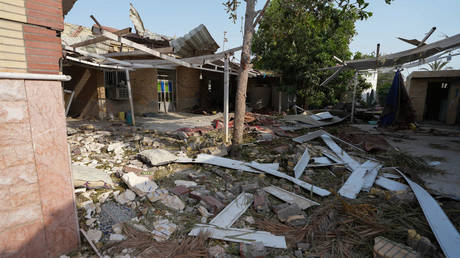
If you're an international reporter packing your bags to cover the catastrophic floods along Nepal's Bhotekoshi and Trishuli rivers, you'll need more than a camera and a passport now. Kathmandu just threw a bureaucratic wrench into disaster reporting.
The Nepali government recently made press accreditation completely mandatory for any foreign media personnel trying to access disaster zones. You can't just show up and start filing stories from the ground anymore. Let's break down what these rules mean for reporters on the ground and how you can actually get through the red tape without losing your mind.
The New Hurdle for International Media in Nepal
The Department of Information and Broadcasting (DoIB) issued a strict mandate requiring foreign journalists to secure a specialized Press Accreditation and Journalist Identity Card. This applies directly to anyone heading out to report on the devastating flash floods sweeping through river basins like the Bhotekoshi and Trishuli.
Nepal Police and local district authorities have faced overwhelming chaos as massive monsoon destruction continues. With the national death toll climbing past 1,300 victims, officials argue that tracking who is inside active rescue zones is a matter of safety and order. But for working reporters, it's an extra layer of administrative friction when speed matters most.
What You Actually Need to Apply
You can't just walk into an office in Kathmandu and grab a badge. The application process requires a very specific stack of paperwork submitted through the DoIB's online portal:
- A scanned copy of your valid passport and current visa or entry permit.
- An official recommendation letter from your home media organization addressed directly to the DoIB.
- A secondary recommendation letter issued by your country's embassy, consular office, or Ministry of Foreign Affairs stationed in Nepal.
Once the Director General reviews your pile of documents, you get a card. But here is the catch: it expires fast.
The Fifteen-Day Limit and Other Restrictions
The newly minted press pass comes with a strict expiration date. It is only valid for 15 days from the date of approval. If your assignment runs longer because rescue and recovery efforts drag on, you'll likely have to figure out an extension.
To soften the blow, the DoIB set up a dedicated help desk at their Kathmandu office to guide lost foreign reporters through the digital submission maze. If you get stuck waiting on embassy sign-offs while floodwaters shift and new alerts go off—like the recent sudden flooding in Gorkha's Chumanubri rural municipality that wiped out homes and a vital suspension bridge—that help desk is your main lifeline.
Navigating the Bureaucracy on a Tight Deadline
Reporting on natural disasters in remote Himalayan terrain is hard enough. Landslides block mountain passes, suspension bridges get swept away, and communication lines drop out entirely. Adding a mandatory state accreditation step means you have to plan your logistics days before touching down in Kathmandu.
If you are planning to cover these flood zones, don't wait until you land to start chasing down embassy letters. Get your HR department or editor to draft your media organization recommendation before you board your flight. Line up your embassy contacts ahead of time. Walk straight to the DoIB help desk the moment you arrive in the capital to fast-track your identity card before heading north.