French President Emmanuel Macron didn't mince words when he called out foreign leaders for weaponizing domestic unrest across his country. When politicians across the Atlantic point to street fires and shattered store windows in Paris as proof of an immigration crisis, they are selling a narrative that completely ignores what is actually driving citizens to protest.
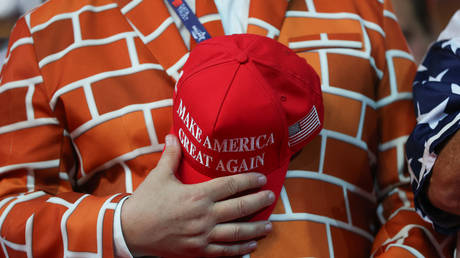
Let's look at what's happening on the ground. The recent wave of turmoil that led to thousands of arrests and torched town halls wasn't sparked by religious identity or border control. It was fueled by mounting economic pressure, anger over soaring living costs, and frustration with everyday survival. Yet, figures like Donald Trump seized the chaos to push an old political playbook, claiming without evidence that "Paris is going to be a Muslim city very soon" and telling Macron to close the borders.
Macron fired back, labeling those remarks as both unacceptable and flat-out stupid. He pointed out the obvious: foreign politicians are exploiting France's tense social climate to score points back home, particularly with midterm elections looming in the US.
The Real Fuel Behind the Protests
If you talk to working-class people marching through French city centers, you won't hear much about immigration rhetoric. You'll hear about energy prices, grocery bills, and shrinking purchasing power. France has grappled with high inflation and energy strain, prompting government interventions like G7-backed strategic reserve releases to try and bring down diesel and fuel costs.
When people feel squeezed to their financial breaking point, protests happen. Sometimes those protests boil over into violence and looting by opportunistic groups. That is a matter of law enforcement, public order, and economic anxiety. Blaming it entirely on migration is a convenient distraction for politicians who want a simple scapegoat for complex global inflation.
Why the Migration Narrative Persists
It's easier to sell a culture war than an economic analysis. For populist leaders abroad, framing European cities as lawless war zones driven by demographic shifts fits neatly into a broader domestic agenda. Trump warned that what's happening in France is a preview of what awaits America if voters pick the wrong candidates.
This rhetoric relies on fear rather than facts. French authorities and law enforcement agencies have not tied the upheaval to immigrant communities. The targets of the protests and the state's policy responses have centered squarely on economic relief, price stabilization, and beefing up security against urban vandalism.
What Happens Next in Paris
The French government faces a delicate balancing act. On one side, they must protect the constitutional right to peaceful demonstration. On the other, they have to crack down on rioters who use legitimate economic grievances as cover for destruction. Prefectures have banned unauthorized rallies in major urban centers and deployed intelligence-gathering measures to stop weekend disturbances before they start.
Meanwhile, leaders like Macron are trying to stabilize energy markets and prove to their citizens that relief is coming. But as long as foreign politicians find utility in pointing fingers across the ocean, the noise will continue.
Pay attention to the actual policy debates instead of the soundbites. Real solutions to economic pain rarely come from leaders who are thousands of miles away and campaigning for votes.