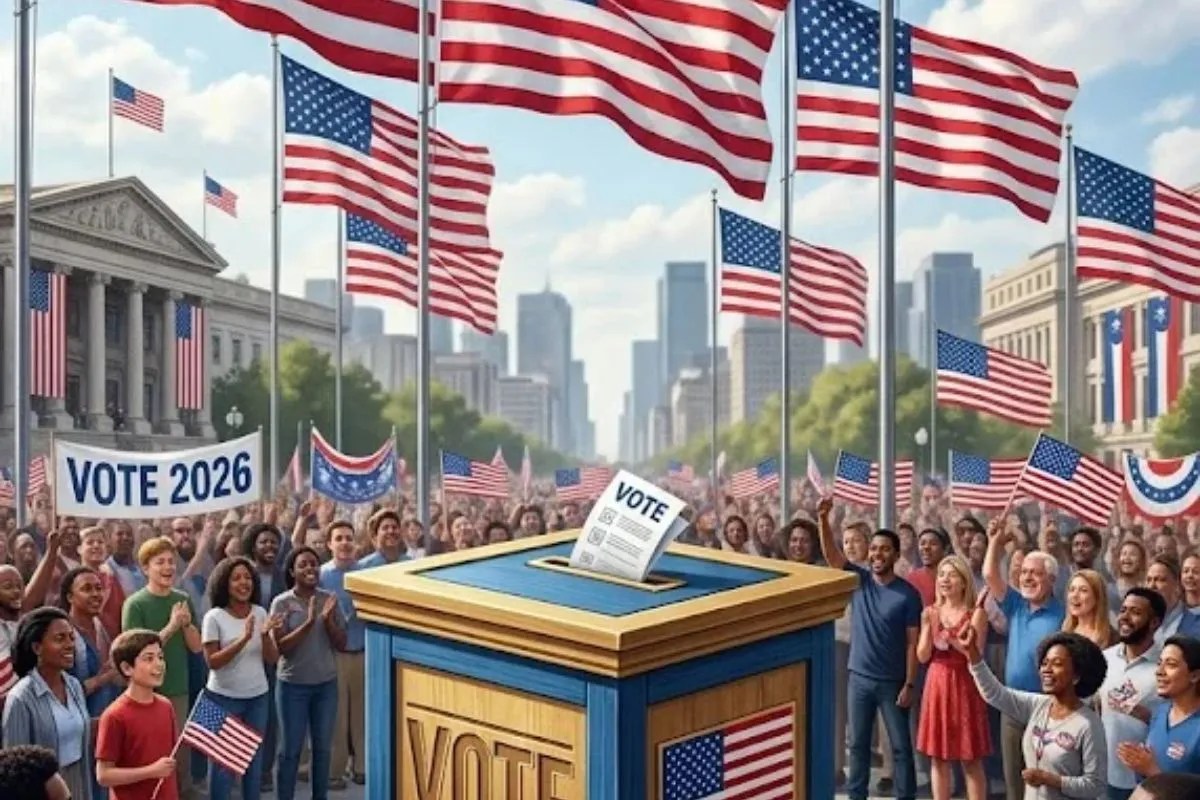
Voters are tired of being ignored. When ballot results rolled in, Washington elites acted surprised. They shouldn't have been.
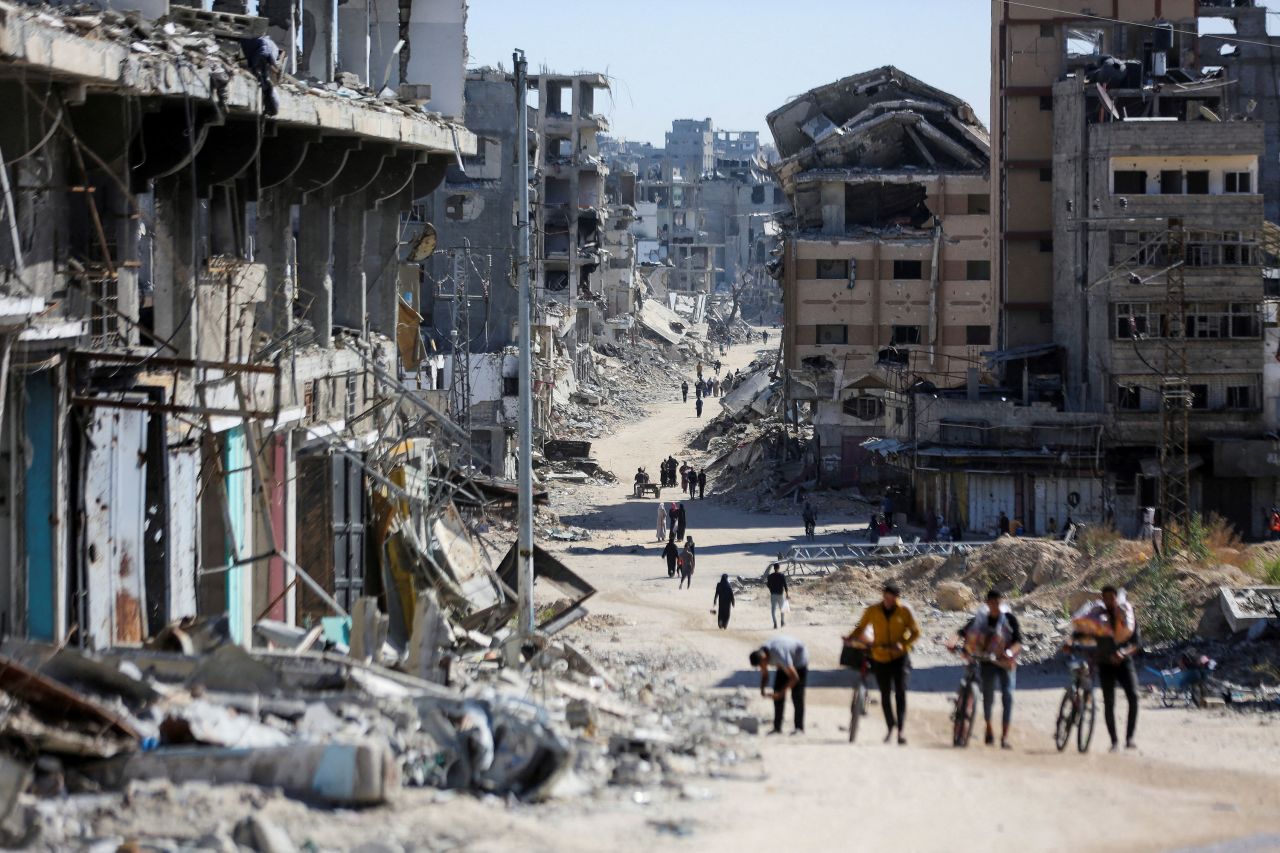
For months, politicians brushed past the defining humanitarian catastrophe of our time. They treated foreign policy as an abstract talking point. They assumed voters only cared about gas prices and grocery receipts. They were wrong.
The midterms exposed a massive chasm between a calcified political class and an electorate that refuses to finance endless bloodshed. The message was loud. The message was clear. It's Gaza, stupid.
The Cost of Ignoring Public Outrage
Look at what happened in Michigan. Millions of dollars poured into campaigns to silence anti-war voices. Lobbying groups spent record sums trying to protect incumbents who backed unconditional military aid. Yet, grassroots anger broke through the noise.
Voters see the connection between their tax dollars and the destruction abroad. You cannot fund foreign military campaigns with zero accountability and expect voters to stay quiet at the ballot box.
When politicians talk about inflation without addressing how billions in foreign aid drain public resources, people notice. Voters aren't buying the separation between domestic economic pain and foreign military interventions.
Breaking the Bipartisan Consensus on Foreign Wars
Both major parties miscalculated. For years, toeing a specific foreign policy line was mandatory for survival in American politics. Dissent was punished. Critics were smeared.
That control is crumbling.
The coalition that shifted political power in recent cycles was built on a promise to end forever wars. Voters were told the era of stupid conflicts was over. Instead, they watched as new flashpoints ignited across the Middle East. They watched allies launch campaigns that tore through civilian infrastructure, displacing millions.
When leadership breaks a promise on peace, the electorate exacts a price. Tuesday's results proved that foreign policy is no longer an untouchable issue for political elites. It's a frontline voting concern.
What Happens Next
The political establishment faces a choice. They can double down on outdated strategies and write off voter anger as a passing phase. Or they can listen.
Ignoring the humanitarian crisis won't make it disappear from voter minds. The demand to stop writing blank checks for violence isn't going away. Politicians who refuse to adapt will find themselves replaced by candidates who actually reflect public conscience.
The era of blind foreign policy allegiance is ending. The ballot box has spoken. Now, leaders have to decide if they want to survive the next election cycle by finally paying attention.