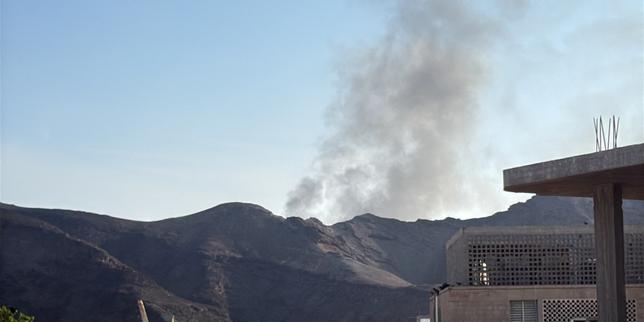
Security alerts flared up around the Syrian capital once again after a violent car bombing shook the southern suburb of Jaramana, leaving two people dead—including a child—and several others wounded. State media and the Interior Ministry confirmed that an explosive device planted inside a vehicle detonated near a local battery factory, immediately cordoning off the area as investigators rushed to the scene.
Incidents like this remind everyone watching the region that post-Assad stabilization remains painfully fragile.
Understanding the Flashpoint in Jaramana
Jaramana isn't just any ordinary suburb. It's a densely populated district historically home to a large community of the Druze religious minority, alongside displaced families and various other groups who sought refuge there during years of civil war. Over the past couple of years, since the dramatic ouster of Bashar Assad's decades-long regime in late 2024, the demographic and political fabric of the Damascus countryside has shifted dramatically.
Tensions have occasionally bubbled to the surface between segments of the local Druze community and Sunni Muslim residents who back the current Islamist-led government. While investigators are still working to piece together who planted the explosive device and what specific motive drove the attack, the neighborhood's delicate sectarian mix makes it a volatile target for bad actors looking to stoke wider conflict.
The Persistent Threat of Underground Cells
Syria's transition away from authoritarian rule didn't magically erase the security vacuum that militants love to exploit. Groups like the remnants of the Islamic State continue to maintain active sleeper cells across parts of the country. These underground networks specialize in asymmetric warfare—planting improvised explosive devices in cars, targeting checkpoints, and hitting commercial hubs to project strength and disrupt everyday civic life.
The current administration under Ahmed al-Sharaa faces a brutal balancing act. On one hand, authorities are trying to project normal governance, rebuild shattered infrastructure, and integrate into international coalitions fighting extremist factions. On the other hand, random acts of urban terrorism show just how hard it is to lock down sprawling metropolitan perimeters when weapons and explosives remain easily accessible from years of continuous conflict.
What Comes Next for Capital Security
When a child dies in a routine neighborhood explosion, the political calculus instantly shifts from high-level state diplomacy down to raw, local grief and anger. Residents in Jaramana and surrounding districts are demanding tighter security checks and quicker accountability from internal security forces.
If the government wants to prevent these isolated bombings from turning into broader sectarian flashpoints, transparency and swift intelligence work will matter more than public statements. Expect local security forces to step up vehicle inspections and checkpoint operations around Damascus in the coming weeks, as officials try to root out the bomb-makers before they strike again.