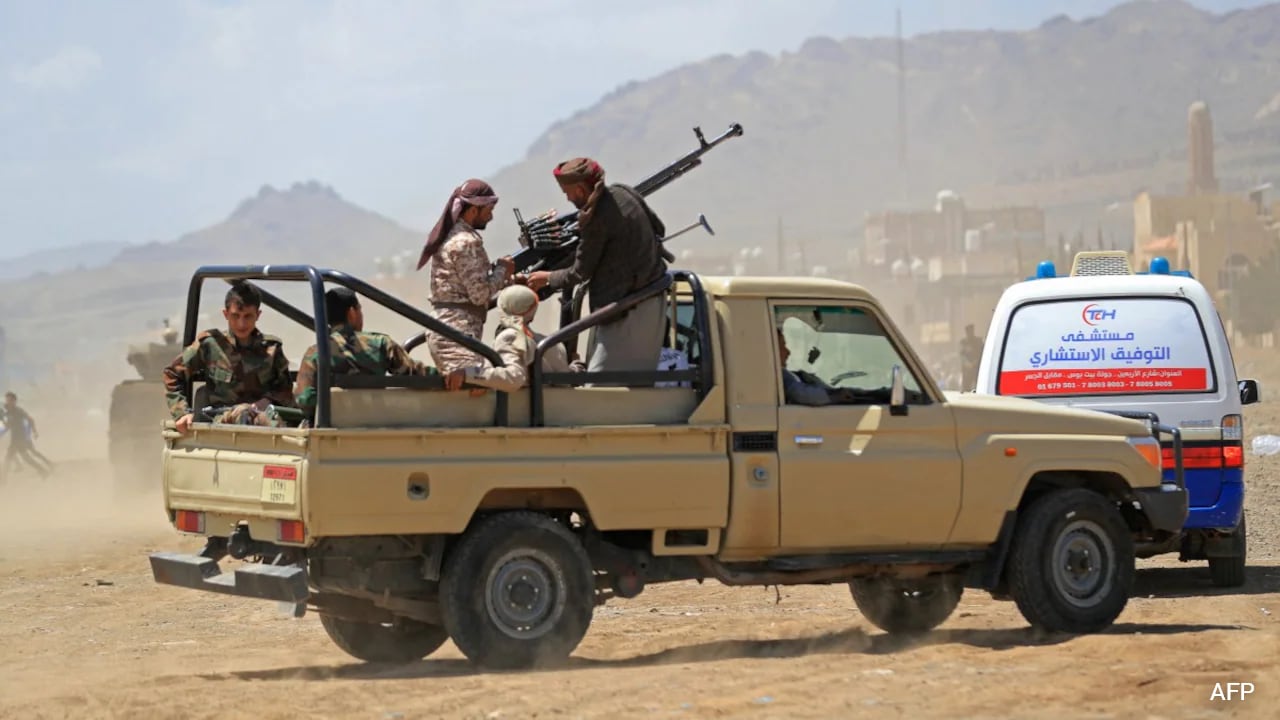
Fragile truces don’t usually shatter with a massive, cinematic explosion. They unravel because of small, tactical escalations that quickly spiral out of control. When you look at how peace in Yemen fractures, you realize it's never about a single disagreement. It is a toxic mix of closed airspace, sudden air raids, and economic strangulation that pushes worn-out populations back into conflict.
The Spark That Grounded Diplomacy
Geopolitical stability often rests on fragile logistical arrangements. For Yemen, the fragile calm began to fray when basic travel permissions and airport access became weapons of political leverage.
The immediate trigger points are rarely isolated incidents. When an airstrike disables a critical runway in Sanaa, preventing an incoming delegation or humanitarian flight from landing, the message sent is loud and clear. Diplomacy stops where the runway ends.
- Sanaa airport restrictions block vital political exchanges.
- Retaliatory drone strikes quickly follow transport blockades.
- Regional actors use proxy positioning to test red lines.
Why Economic Chokepoints Matter More Than Battlefield Lines
You can't understand modern conflicts by just looking at troop movements on a map. Look at the ports, the fuel depots, and the customs revenue.
When ports like Mokha or Hodeida come under fire, the economic impact is immediate. Food prices spike. Medical supplies stall. Parties on all sides know that starving an opponent's economy works faster than direct combat. It's a brutal strategy, and ordinary civilians always pay the highest price.
UN envoys routinely warn that these maneuvers risk throwing the entire region back into open warfare. Yet, local commanders care more about immediate tactical dominance than long-term peace frameworks.
The Regional Chessboard
Yemen's internal struggles don't happen in a vacuum. Tehran, Riyadh, and various local factions view every square mile through the lens of regional power dynamics. When a high-ranking delegation gets blocked from landing, it signals a breakdown in back-channel talks between regional heavyweights.
If you want to track where the war is heading, stop watching the front-line trenches. Watch the flight logs, the shipping insurance rates in the Red Sea, and the frequency of retaliatory drone salvos. Peace holds only as long as both sides believe they benefit more from talking than from fighting. Right now, neither side is convinced.
Israel Destroys Houthis' "Last Plane" in Strike on Yemen's Sanaa Airport | Firstpost America
This video provides context on how targeted airport strikes and the systematic destruction of civilian aircraft severely restrict regional mobility and escalate tensions in Yemen.