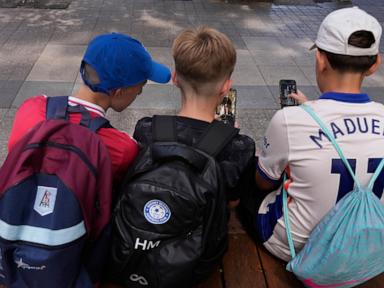
French lawmakers just passed a sweeping ban prohibiting kids under 15 from using social media. It's a bold move championed by President Emmanuel Macron as a cornerstone of his administration's final stretch before he leaves office. Under the new law, kids under 15 can't create new accounts on platforms like TikTok, Snapchat, or Instagram starting September 1, 2026. By January 2027, platforms must identify and close existing accounts belonging to under-15s.
The bill also extends mobile phone bans across French high schools. Parents are celebrating, tech giants are scrambling, and politician speeches sound triumphant.
Here's the problem: passing a law is the easy part. Enforcing it without destroying internet privacy for everyone else is nearly impossible.
The Reality Behind the French Social Media Ban
The French government calls this establishing a "digital majority". It sounds clean and simple on paper, similar to setting a legal drinking or driving age. But digital boundaries don't work like physical ones.
The French health watchdog reports that half of teenagers spend between two and five hours a day on smartphones. Rates of anxiety, body image issues, and self-harm among young teens have climbed sharply, giving momentum to this vote. Several French families even filed lawsuits against TikTok after tragic teen suicides linked to harmful algorithms.
Politicians felt immense pressure to act. They chose a blunt instrument.
French Digital Age Limit Timeline
---------------------------------
September 1, 2026 : No new social media accounts for kids under 15
January 2027      : Platforms must purge existing accounts under 15
The law exempts educational tools and online encyclopedias, but targets major social channels.
Age Verification Is an Operational Nightmare
How do you prove someone on a screen is 15 years old without tracking everyone else? That's the technical wall this law runs straight into.
Social platforms must implement age verification systems approved by Arcom, the French media regulator, alongside privacy agency CNIL. There are really only three ways to verify age online, and every single one has massive drawbacks:
- Government ID Uploads: Requiring users to upload passports or national ID cards creates a massive target for hackers. Storing sensitive identity documents on social media databases is a security disaster waiting to happen.
- Biometric Facial Scanning: Estimating age via AI face scans feels intrusive and frequently misidentifies people, especially teenagers whose physical features change rapidly.
- Credit Card Verification: Kids borrow their parents' cards all the time, rendering this method useless overnight.
Left-wing lawmakers in France voted against the bill, pointing out that strict age checks effectively strip away online anonymity for adults too. To prove you're 18, you have to identify yourself to the platform.
VPN usage among teenagers will inevitably skyrocket. The moment the ban goes live in September, millions of kids will download basic location-spoofing apps to bypass local restrictions entirely.
France Isn't Acting Alone
France isn't the first country to try this. Australia passed a similar blanket ban for kids under 16. Spain and parts of India have pushed regional restrictions.
European Commission President Ursula von der Leyen recently signaled support for broader European Union limits, pointing out addictive platform features like infinite scrolling.
Global Youth Social Media Restrictions
--------------------------------------
Australia : Banned under 16
France    : Banned under 15
Spain     : Restricting under 16
Yet, legal clashes are brewing. The European Union's Digital Services Act (DSA) already governs tech platform responsibilities across member states. French lawmakers had to scramble in final negotiations to ensure their local bill didn't directly violate EU legislation. On top of that, a French Constitutional Council review is pending, which could delay or trim down the law before September.
Why Top-Down Bans Miss the Root Cause
Banning access treats the symptom, not the cause. Social media platforms are deliberately engineered to be addictive. Algorithmic recommendation engines, variable reward schedules like notifications, and endless feeds keep users hooked regardless of whether they are 14 or 40.
Simply blocking kids under 15 doesn't teach them how to navigate the digital world safely when they turn 15 and one day inherit full access. It creates a cliff effect. One day you're completely cut off; the next day, you're tossed straight into the most aggressive algorithmic ecosystems without build-up or digital literacy training.
Parental groups have voiced mixed feelings. While some applaud the government stepping in to take the burden off parents, others acknowledge that banning accounts doesn't erase algorithmic danger—it just shifts where kids go online.
What Parents and Tech Users Should Do Right Now
Whether you live in France or anywhere else tracking these tech regulations, waiting for government mandates to solve screen addiction is a bad strategy. Take these immediate steps instead:
- Router-Level Filtering: Don't rely on app restrictions. Set up content and domain blocks directly at your home Wi-Fi router level via services like NextDNS or Cloudflare for Families (1.1.1.3).
- App Pinning and Downtime: Use native OS controls (Apple Screen Time or Android Digital Wellbeing) locked with a passcode the child doesn't know.
- Encourage Offline Spaces: School phone bans work best when backed by phone-free zones at home. Establish rules where bedrooms are device-free after 9 PM.
- Audit Data Privacy: If you live in a region testing digital age checks, avoid uploading official identity documents to third-party verification sites whenever possible. Use privacy-focused age verification tools or federated ID systems that don't store your personal photos.