Thirty-five teenagers crammed into a room built for twenty. Broken heating systems that turn classrooms into freezers during winter, followed by stifling heatwaves with zero air conditioning. Chronic teacher shortages leaving core subjects unstaffed for weeks. If you wonder why high schools across France have exploded into chaos, look past the burning bins and police sirens. The fuse was lit long before the first barricade went up outside the gates.
Prime Minister Sébastien Lecornu just scrambled a crisis cabinet meeting, telling ministers to drop their schedules as nationwide student blockades spiral out of control. Nearly nine hundred demonstrations and school blockades are active right now. Over 160 high schools are completely shut down, and roughly thirty university campuses are blocked from Paris to Marseille. Nearly 3,000 teenagers have been detained by police. For another perspective, check out: this related article.
Yet framing this purely as teenage delinquency or urban rioting misses the entire reality on the ground. This crisis is about systemic neglect colliding with youth mobilization.
The Reality Behind the Barricades
Walk up to any lycée blockaded by students this week and you will hear the same complaints repeated by teenagers who are genuinely furious. They are not skipping class for fun. They are dealing with crumbling infrastructure. Related analysis on this trend has been published by USA.gov.
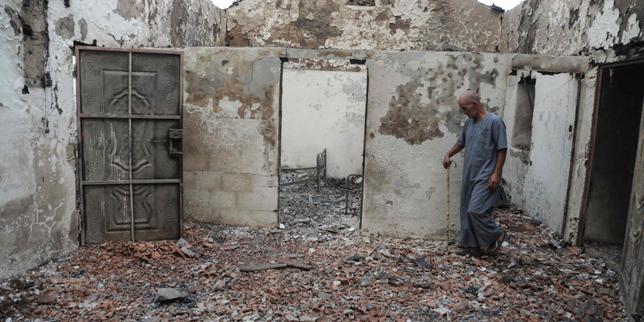
In Nantes, fire damage inside a vandalized school is so severe that repairs will take an entire month. In Strasbourg, tram lines were blocked by crowd control barriers, forcing local authorities to halt public transport. In Marseille, things turned terrifyingly dark when a teacher was splashed with petrol during an arson attempt. These extreme acts are indefensible. But they are being committed by a small radical fringe hijacking a mass movement driven by legitimate anger.
Most students standing in the cold outside Voltaire high school in Paris are talking about structural decay. They want functional toilets, windows that do not leak, enough teachers to cover their exams, and schedules that do not run from dawn until dusk. When you pack thirty-five kids into dilapidated rooms with zero budget and zero resources, friction is inevitable.
The Political Blame Game
Naturally, politicians are pointing fingers instead of fixing the plumbing.
The government is accusing the radical left party La France Insoumise of stoking the flames. Ministers claim that LFI figures and local mayors are encouraging the unrest to score political points ahead of the 2027 presidential election. Jean-Luc Mélenchon fired back, insisting his party backs non-violent protest while warning that state police brutality is the real danger threatening these young people.
Meanwhile, teachers are caught squarely in the middle. Some educators are appalled by the physical threats and aggressive behavior directed at staff. Others are standing outside shoulder-to-shoulder with their students. Spanish teacher Juliette Estiville put it bluntly when she explained she was standing at the barricades simply to form a human shield between the riot police and her pupils. When teachers feel forced to protect students from the state, the educational system has broken down completely.
Where France Goes From Here
Moving classes online to protect teachers and pupils might buy the government temporary breathing room, but it is a band-aid on a gushing wound. You cannot zoom your way out of a crumbling physical infrastructure or a severe shortage of educators.
Education Minister Édouard Geffray is scheduled to meet student representatives, but trust is shattered. If the government treats this strictly as a law-and-order problem to be solved with tear gas and detentions, the anger will only metastasize. Real reform requires cash injected directly into classrooms, heating repairs, and teacher recruitment.
Listen to what these teenagers are saying before writing them off as rioters. Fix the schools, respect the teachers, and stop ignoring the infrastructure crisis rotting public education from the inside out.