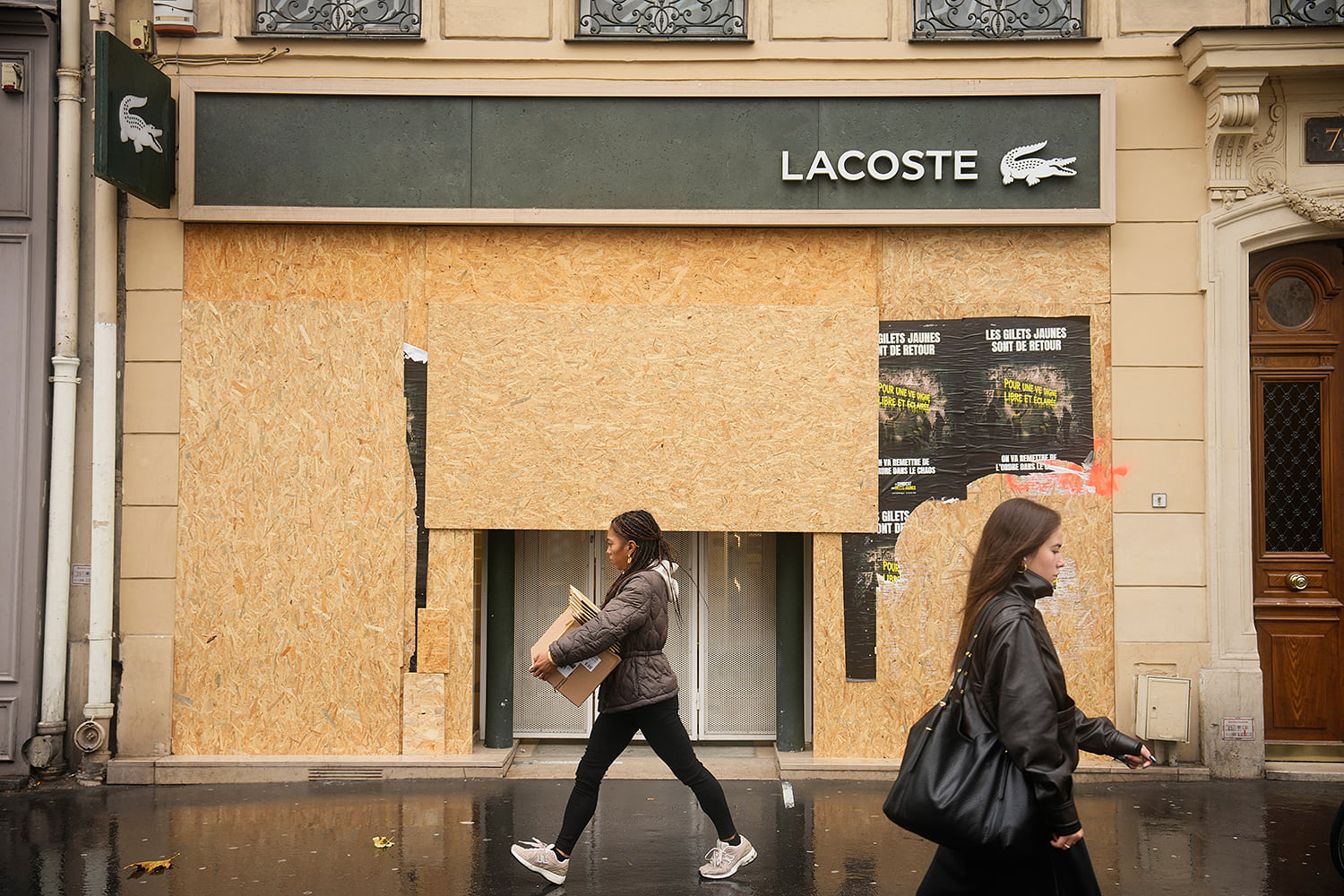
Tear gas stings the eyes of demonstrators outside the capital while world headlines obsess over locked museum doors. You have probably watched the footage of French protests rolling across your screens, showing riot gear, smoke, and blazing barricades. It looks chaotic. It looks sudden. But honestly, it is decades in the making. Emmanuel Macron pushed a retirement age increase from sixty-two to sixty-four, and the country snapped. Street corners turned into battlegrounds because citizens felt their social contract evaporating overnight.
Let us look past the dramatic images of water cannons and broken glass to see what is actually driving this movement. You don't understand modern France if you view these clashes as simple temper tantrums over two extra years of work. This is about dignity, power struggles, and a fundamental disagreement over who controls the future of labor. Learn more on a connected issue: this related article.
The Spark That Lit The Fire
Change hits hard when it arrives without warning or compromise. Macron decided to bypass the usual legislative vote using a controversial constitutional tool known as Article 49.3. When you strip elected representatives of their voice on an issue impacting millions of working-class lives, people take matters into their own hands. Public sector workers, refinery operators, transport staff, and university students walked off the job together.
The government argued that the pension system faced a massive structural deficit. They pointed to demographic shifts, aging populations, and the simple math of keeping state budgets afloat. That argument holds theoretical weight in an economist spreadsheet. However, average workers do not live in spreadsheets. They live on factory floors, in hospitals, and behind checkout counters where lifting heavy loads at age sixty-three sounds miserable and punishing. Additional analysis by USA.gov explores related views on the subject.
When millions march through Paris, Marseille, and Lyon, the message shifts from a technical policy debate into a raw test of democratic accountability. You realize that a law can be technically legal yet morally illegitimate in the eyes of the public.
Why The French Resort To The Streets
History matters here. France maintains a unique political culture built on the legacy of the revolution. Striking is not viewed as a minor inconvenience; it is treated as a fundamental civic duty. When citizens feel ignored by technocratic elites sitting in ivory towers, shutting down the economy becomes their primary bargaining chip.
Unions coordinate massive walkouts with military precision. Garbage piles up on Parisian sidewalks for weeks. Trains stop running. Power grids face strategic reductions. These tactics are not random outbursts. They are calculated measures designed to hurt corporate bottom lines and force the state back to the negotiating table.
Outsiders often wonder why Macron refuses to back down. He staked his entire second term on structural reforms, positioning himself as a modernizing reformer who saves the nation from stagnation. Backing down means looking weak. Doubling down means risking permanent civil unrest. He chose the latter, betting that public anger would eventually burn itself out.
What Happens When Landmarks Shut Down
Tourism takes a direct hit when cities lock down. The Louvre closed its doors because workers joined picket lines or security concerns overwhelmed operations. Tour groups stood bewildered outside glass pyramids, staring at handwritten signs explaining the closures.
This strategy of targeting cultural and economic crown jewels serves a psychological purpose. It disrupts the illusion of normalcy. If tourists cannot visit museums and commuters cannot catch trains, the ruling class cannot pretend everything is fine. Disruption creates visibility. Visibility forces attention.
Decoding The Political Gamble
Macron political strategy relies heavily on institutional insulation. He calculates that executive power can outlast street-level resistance. Yet history shows that high-stakes confrontations leave deep political scars. Trust in French democratic institutions eroded further during these demonstrations.
When police deploy heavy numbers, rubber bullets, tear gas, and water cannons against crowds, the visual optics turn brutal. Images of elderly protesters coughing through tear gas or young students pinned against barricades travel across the globe in seconds. Public sympathy often swings toward the streets when the state responds with overwhelming physical force.
You see a widening gap between urban technocrats and rural or suburban working classes. This split fuels populist movements on both the left and the right, threatening the traditional political center that Macron built his career defending.
How To Read Global News Without Getting Fooled
Headlines love sensationalism. News outlets focus heavily on burning trash cans and smashed storefronts because those elements generate clicks and views. They frequently skip the underlying economic anxieties that motivate ordinary people to risk arrest or injury.
Next time you see international footage of civil unrest, remember to ask critical questions. Who benefits from this policy change? What legal mechanisms bypassed standard democratic checks? How do cultural attitudes toward labor shape public reaction?
Understanding these events requires looking beyond the tear gas haze. It means recognizing that social unrest often signals broken communication between citizens and their leaders.
Practical Steps For Following International Labor Movements
If you want to track how global policy shifts impact local populations without getting lost in media spin, try these steps:
- Follow local independent journalists on the ground rather than relying solely on corporate news summaries.
- Look at primary source documents, such as official union statements and parliamentary debate transcripts, instead of secondary commentary.
- Research the historical context of labor laws in specific countries before judging their current protests.
- Compare economic data regarding debt and pension funding with actual workforce demographics to spot discrepancies.
When state power meets mass resistance, simple solutions rarely exist. The French protests remind us that democracy does not end at the ballot box. It gets tested every single day on the asphalt.