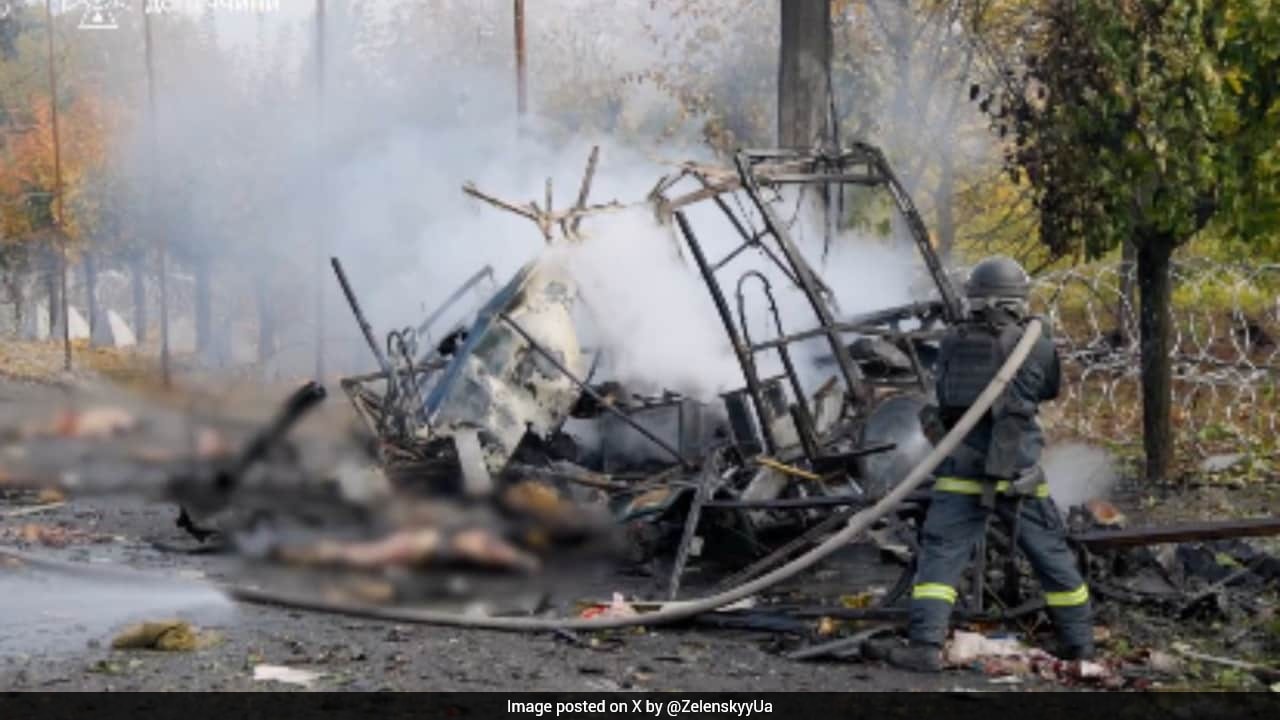
Civilians in frontline zones are bearing the heaviest weight of this war. When a Russian strike hit two civilian buses in a contested Ukrainian city, leaving thirty people dead, it wasn't just a grim statistic. It was another stark reminder of how public transit and everyday commuting routes have turned into lethal danger zones.
You hear about massive front-line battles and artillery duels on the news, but the real human toll often happens when ordinary people try to move from one place to another. Let's look at why civilian transport keeps getting targeted and what this means for the broader safety landscape on the ground.
The Reality of Frontline Transit
Moving around near the active contact line is a desperate gamble. Buses, evacuation vans, and personal cars are constant targets for drone surveillance, artillery fire, and missile attacks. When thirty people lose their lives in a single transit strike, it exposes a grim reality. There are no safe corridors left when fighting gets close to urban centers.
Military analysts often talk about supply lines and troop movements. They miss the human element. The people on those buses weren't soldiers. They were locals trying to escape, or workers trying to keep basic services running. Public transport networks in places like Donetsk and Zaporizhzhia regions operate under constant threat.
Drivers take massive risks every day. They navigate bombed-out bridges and cratered roads because families need food, medicine, and a way out. Every single trip is a calculated risk where the odds keep getting worse.
Why Civilian Buses Are Getting Hit
It's easy to wonder why people are still riding buses in active zones. The answer is simple. Most residents don't have cars, fuel is expensive or unavailable, and staying behind means risking starvation or occupation.
Military forces often use main roads to move personnel and equipment. That creates a blurred line between military and civilian logistics in the eyes of attacking forces. However, targeting a clearly identifiable passenger transport vehicle crosses every international humanitarian boundary.
Human rights monitors and international observers document these incidents constantly. Yet, accountability remains rare. The strategic calculus of modern artillery warfare often leaves civilian populations caught in the crossfire, or worse, treated as acceptable collateral damage.
What You Need to Know About Evacuation Risks
If you are tracking these developments or trying to help someone inside these zones, understanding the actual risks on the ground matters.
- Evacuation routes change daily based on active shelling and drone activity.
- Standard public buses are frequently grounded, forcing reliance on smaller, less predictable volunteer vans.
- Communication networks fail constantly, making real-time route planning nearly impossible.
People often ask how local authorities respond to these mass casualty events. Emergency services rush to the scene, but rescue workers face double-tap strikes where a second missile hits shortly after the first. That makes saving the wounded an excruciatingly dangerous task.
The Broader Impact on Ukrainian Communities
The psychological weight of these strikes changes entire communities. When a routine bus journey turns into a massacre, it creates an atmosphere of permanent terror. People stop trusting any form of organized movement.
Communities split apart. Families send their children away while older relatives refuse to leave their homes, choosing the risk of a shell over the pain of displacement. Local municipal workers risk their lives daily just to keep minimal transit functioning for hospital staff and essential personnel.
We need to look past the initial headline shock. Thirty dead isn't just a number to add to a running tally. It represents thirty shattered families, disrupted communities, and another deep scar on a country trying to function under relentless bombardment.
Keep paying attention to local reports rather than just broad summaries. The real story of this conflict lives in the details of everyday survival.