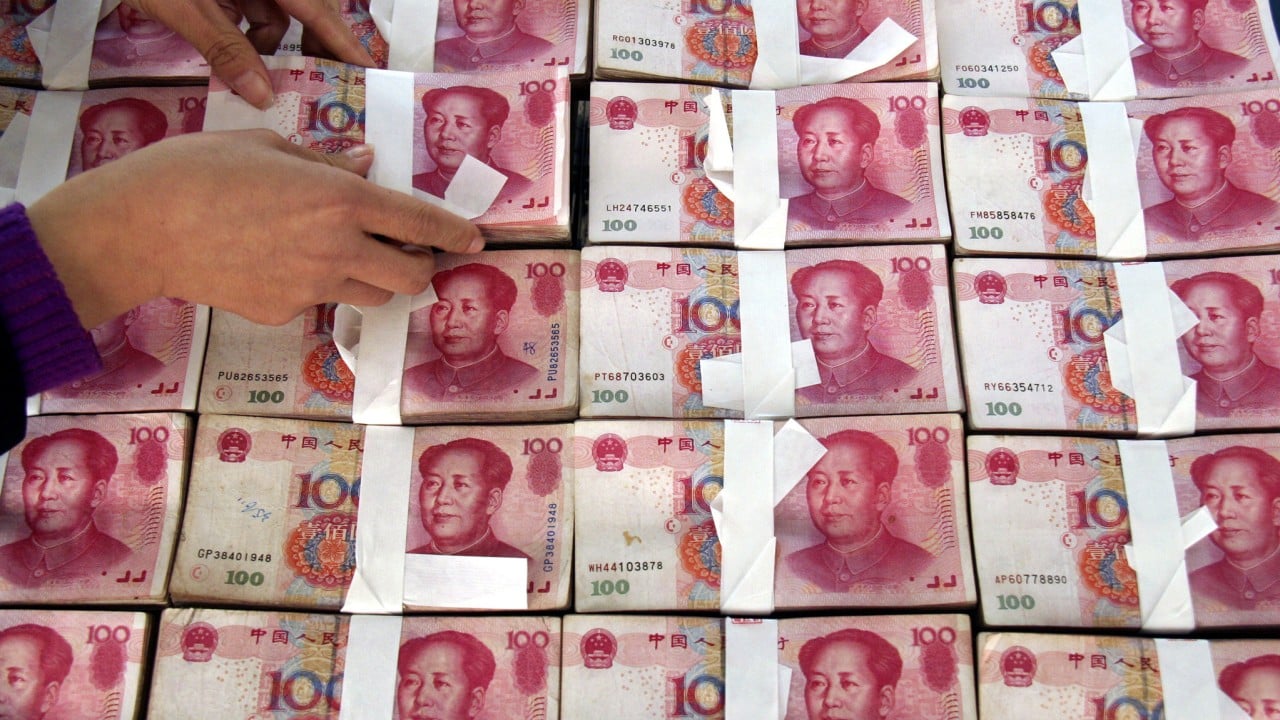
General Motors is doubling down on China. While other Western corporations run for the exits or scale back operations amid rising trade restrictions, Detroit is staying put.
GM just locked in a 20-year extension of its landmark 50-50 joint venture with SAIC Motor. The partnership, which originally began back in 1997, will now run through 2047.
This isn't a sentimental choice. It's a survival strategy.
The Brutal Reality Behind the Renewal
For nearly two decades, China acted as an absolute cash machine for General Motors. Back in 2016, the company sold roughly 3.9 million vehicles in the country, pulling in close to $2 billion in annual equity income. Those days vanished quickly.
Local competitors like BYD completely transformed the playing field. They introduced sophisticated, affordable electric vehicles that left legacy foreign automakers scrambling. By last year, GM's annual sales in China cratered to 1.9 million vehicles—a steep 51% drop from its peak. Losses piled up across 2024 and 2025, forcing Detroit to swallow more than $5 billion in non-cash restructuring charges. Plants closed. Models vanished.
Yet, instead of abandoning the world's largest auto market, GM cleaned house and reset the chessboard.
Shifting Gears on Brands and Exports
The newly extended joint venture features a radically different playbook. GM is ditching domestic sales of the Chevrolet brand in China, admitting that low-cost local competitors captured too much ground for Chevy to compete effectively.
Instead, the partnership is betting heavily on premium nameplates: Cadillac and Buick.
The strategy relies on localized engineering. Vehicles like the Buick Electra electric sub-brand are designed specifically for domestic tastes. It works. The Electra E7 SUV pulled in over 10,000 sales in its very first month on the market.
More importantly, GM is turning China into an export powerhouse. Rather than building cars solely for local buyers, the joint-venture factories will ship Buicks and Cadillacs to the Middle East, Africa, South America, Mexico, and the broader Asia-Pacific region.
The numbers show the bleeding has stopped. Following the heavy restructuring, the China operation brought in $248 million in equity income during the first half of 2026 alone.
Navigating the Geopolitical Minefield
This multi-decade commitment unfolds against a tense political backdrop. Washington and Beijing remain locked in trade friction, and lawmakers continue discussing harsh barriers against Chinese-developed automotive technology.
GM made one detail explicitly clear to calm nerves at home: these vehicles are not coming to the United States.
Steep tariffs and national security restrictions effectively lock out any vehicle heavily tied to Chinese technology from entering American showrooms. By keeping the manufacturing ecosystem strictly local-to-international—shipping from China to emerging markets elsewhere—GM aims to insulate the partnership from direct U.S. regulatory crossfire.
What Comes Next for SAIC-GM
The revived partnership plans to launch at least 30 new electric or hybrid models by 2030.
If you expected legacy automakers to completely retreat from Asia, this 20-year pact proves otherwise. GM is betting that localized tech, premium branding, and cross-border exporting can rescue a market that once looked like a lost cause.
The next decade will show whether Detroit can claw back its dominance or if local tech giants will box them out entirely.