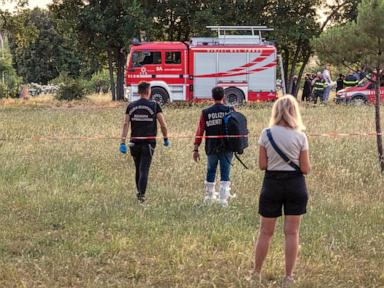
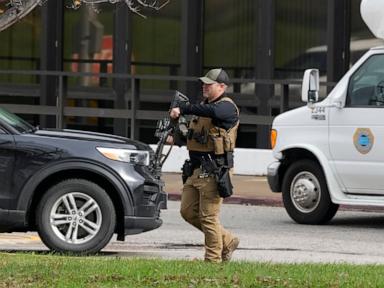
Emergency responders stepped out to help an injured man in the Riddrie area of Glasgow. They expected a routine call. Instead, they walked into a barrage of fireworks directed right at them.
A police vehicle went up in flames, a paramedic sustained an injury, and the entire response team had to pull back for their own safety. It is a grim scene that feels entirely too familiar. Every November, municipal celebrations across Scotland turn into flashpoints of hostility against public servants.
Why do crowds turn on the very people meant to protect them? The answer involves a toxic mix of seasonal boredom, pack mentality, and an escalation of pyrotechnic access that local authorities have struggled to control for years.
The Anatomy of a Bonfire Night Ambush
When emergency services respond to calls during peak festive nights, they operate under immense strain. The incident in Riddrie started innocently enough with a report of a man needing medical assistance. But emergency protocols are routinely weaponized by groups looking for confrontation. Luring responders into specific estates under the guise of an emergency call is a calculated tactic.
Once crews arrive, they face coordinated barrages of commercial-grade fireworks. These aren't harmless sparklers. They act as explosive projectiles capable of causing severe burns, shrapnel injuries, and total structural write-offs of vehicles, as seen when the police car was torched.
Police Scotland confirmed that an arrest was made following the attack, but detaining one individual rarely stops the wider disorder. The sheer volume of youths involved creates a chaotic environment where officers must choose between holding ground or retreating to prevent critical casualties.
The Broader Pattern Across Scottish Cities
Glasgow isn't an isolated anomaly. Similar scenes play out in pockets of Edinburgh and other urban centers year after year. Youths gather in housing schemes, ignite massive unauthorized bonfires on public green spaces, and treat law enforcement as opposing team players in a dangerous street game.
Fire crews face an impossible burden. They spend the evening racing from one burning wheelie bin to another, often while rocks and fireworks fly over their heads. This shifts resources away from genuine domestic fire hazards, leaving ordinary neighborhoods vulnerable. When firefighters have to wait for police escorts just to douse flames, public safety breaks down entirely.
What Needs to Change
Talk of stricter fireworks legislation circulates every winter, yet enforcement remains an uphill battle. Restricting public sales sounds great on paper, but illegal black-market imports and social media coordination make enforcement difficult.
Protecting frontline workers requires more than temporary operational crackdowns. It demands real accountability within communities where these behaviors are normalized or ignored by onlookers. Until communities actively reject the targeting of emergency staff, November fifth will remain a night of hazard rather than holiday.