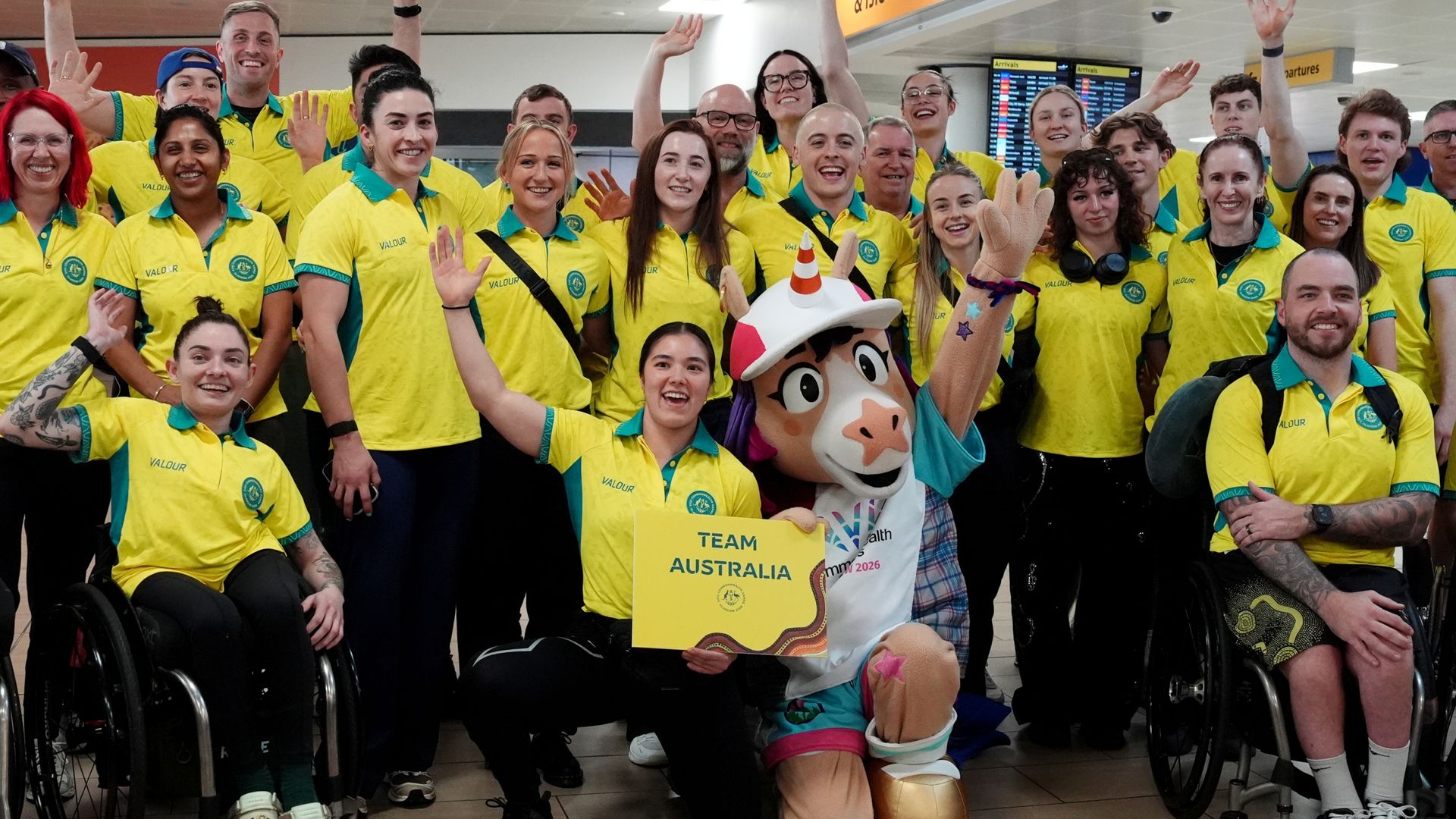
The baggage carousels at Glasgow Airport are buried under oversized gear bags, tracksuits, and bike boxes right now. Athletes from 74 nations and territories are pouring into Scotland. They aren't just here to compete. They're here to save a multi-sport tradition that almost went extinct.
When Victoria, Australia pulled out of hosting these 2026 games due to skyrocketing costs, the entire future of the Commonwealth movement looked dead in the water. Glasgow stepped up with a radically scaled-back, hyper-focused rescue plan. Now, just days away from the July 23 opening ceremony, the cynical media narratives are evaporating. The actual human energy on the ground is electric.
If you think this stripped-down version of the event is a downgrade, you're missing the entire point. This isn't a lesser tournament. It's a blueprint for how international sports can survive in an era of fiscal sanity.
The Energy in Glasgow Right Now is Electric
Walk down Buchanan Street or past the OVO Hydro this week and you can feel the shift. The initial skepticism surrounding a rushed, downsized event has been replaced by the raw buzz of incoming world-class talent. Over 3,000 athletes are descending on the city. Team delegations are checking into local hotels rather than a massive, budget-busting custom athlete village.
It feels different. It feels intimate. Honestly, it feels a bit like a massive takeover of the city by the world’s fittest human beings.
Athletes landing this week have been vocal about their relief and excitement. For months, they didn't even know if these games would happen. To see the branding up on the walls, the volunteers in their uniforms, and the training tracks ready to roll has triggered a massive wave of collective adrenaline. They aren't worried about the lack of a traditional village setup. They just want to compete.
Behind the Scenes of a Rescued Sporting Event
Let's look at the cold hard facts. The traditional model of hosting massive sporting spectacles is broken. Cities spend billions building white-elephant stadiums that sit empty for decades. Glasgow's strategy for 2026 is an intentional rejection of that madness.
The sport count was chopped down to 10 core disciplines. It's leaner. It's meaner.
- Athletics and Para Athletics at Scotstoun Stadium
- Swimming and Para Swimming
- Artistic Gymnastics
- Track Cycling and Para Track Cycling
- Netball
- Weightlifting and Para Powerlifting
- Boxing
- Judo
- Bowls and Para Bowls
- 3x3 Basketball and 3x3 Wheelchair Basketball
By utilizing existing, top-tier venues instead of breaking new ground, the city avoided the financial traps that killed previous bids. This isn't a sign of weakness. It's a masterclass in operational efficiency. The sports that made the cut represent the absolute highest densities of world-class competition within the Commonwealth. Fans aren't getting diluted schedules. They're getting the best of the best, packed into an intense 11-day window.
What the World Class Athletes are Actually Saying
The home crowd advantage is already dominating the conversation among British competitors. Scottish middle-distance runner Laura Muir highlighted how special a home crowd makes an event like this. Having the roaring Scottish fans filling the stands at Scotstoun is something athletes dream about.
It isn't just the locals who are buzzing. Look at the international icons arriving this week. South African swimming legend Chad Le Clos is touching down with his eyes set on making history. He’s already sitting on 18 Commonwealth medals. Another podium finish here will push him past legendary shooters to make him the most decorated male athlete in the history of the movement. For a guy who has won Olympic gold and broken world records, he is treating Glasgow 2026 with the absolute highest level of respect.
Then you have someone like Nigerian weightlifter Rafiatu Lawal, who dominated the 59kg category in Birmingham. She didn't come to Scotland for a vacation. She’s coming off a massive performance at the Paris Olympics and intends to break her own tournament records right here in Glasgow.
New world record holder Josh Kerr has also vowed to give the Glasgow crowds an absolute show in the Commonwealth Mile. When you have athletes of that caliber talking with that level of intensity, anyone calling this a second-tier event looks completely out of touch.
Navigating a Leaner Event Layout
The structural changes to the games alter the logistics for both teams and fans. In 2014, Glasgow used a centralized village in the East End. This time around, athletes are spread across designated hotel hubs near key venues.
Some purists argued this would ruin the community vibe of the games. The athletes arriving this week are proving them wrong. The hotel-hub model has actually created smaller, highly focused micro-communities. Swimmers are hanging out with swimmers; track athletes are eating breakfast alongside their direct rivals. It isolates the competitors from the sprawling distractions of a massive village and lets them zero in on their performance routines.
The venues themselves are in pristine condition. Scotstoun Stadium recently completed the installation of a state-of-the-art new athletics track specifically for these events. The OVO Hydro is being converted to host the gymnastics events after it wraps up the opening ceremony featuring BRIT Award winner Tom Walker on July 23. Everything is close, interconnected, and highly functional.
How to Get the Most Out of the Action This Week
If you are planning to follow the action or if you are lucky enough to be in the city, you need a strategy to navigate this condensed format.
First, lock down transport choices early. Glasgow's city center and west end will be heavily pedestrianized around the key hubs near Scotstoun and the Hydro. Do not try to drive. The city's subway system and dedicated games shuttle buses are your best bet for moving between events without getting trapped in gridlock.
Second, don't sleep on the lesser-hyped sports. Bowls and Para Bowls tickets were launched for just £10, and the updated, fast-paced format is expected to draw incredibly rowdy, passionate crowds. It’s a great entry point to experience the unique atmosphere without paying premium track-and-field prices.
Third, watch the scheduling overlaps. Because the sports menu is tighter, many high-profile medal events are stacked directly on top of each other during the opening weekend from July 23 to July 25. Map out your viewing schedule dynamically so you don't miss the pool finals while tracking the multi-sport events at Scotstoun.
Go find the event schedules online, download the official transit maps, and prepare for a fast, intense week of elite sport. Glasgow proved it could deliver a world-class show in 2014, and the lean, focused reality of 2026 might just prove to be an even bigger achievement for the city.