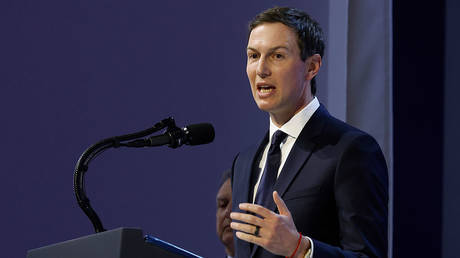
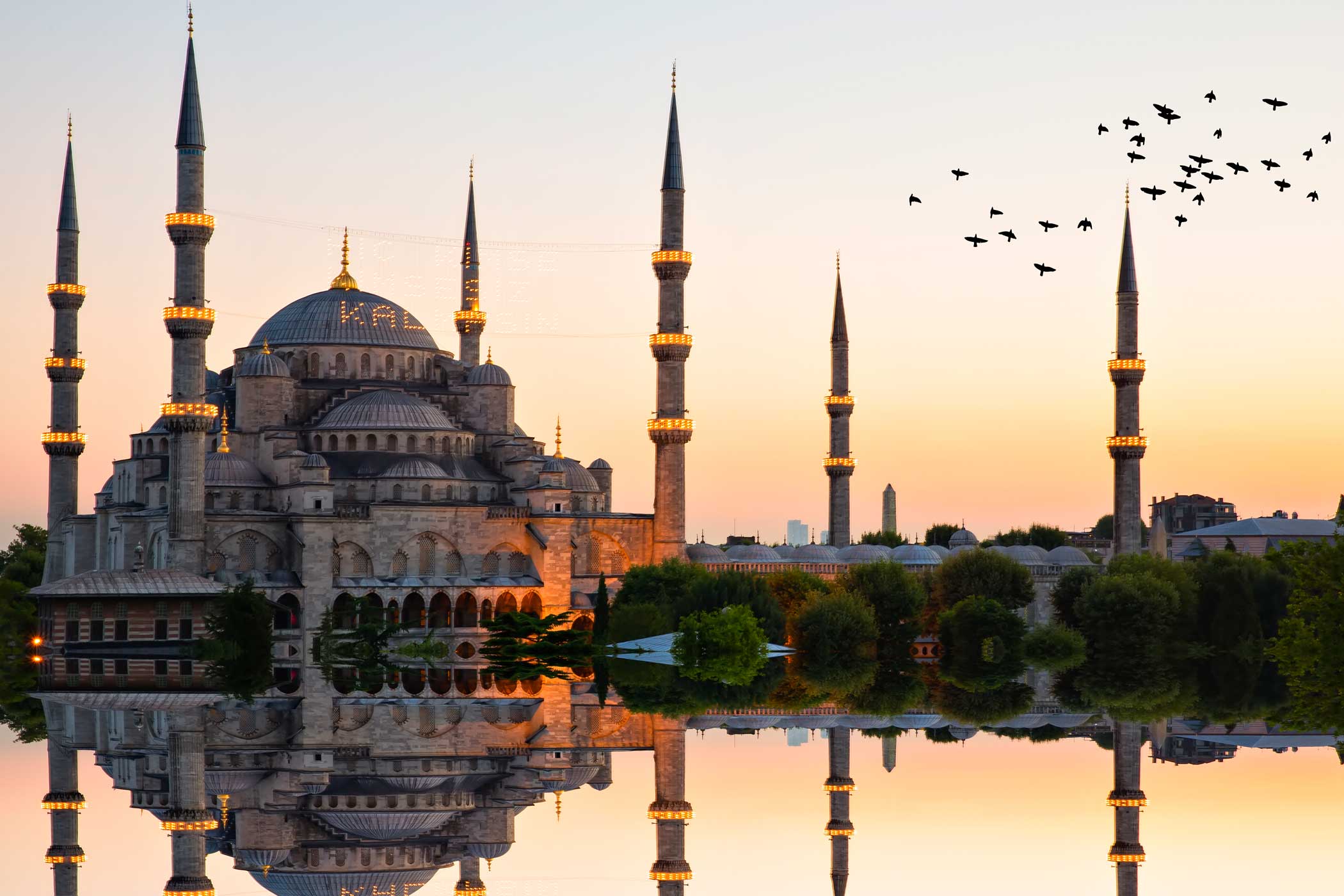
We love finding excuses to look away. Right now, escalating wars, protectionist trade disputes, and geopolitical posturing give governments the ultimate cover to hit the snooze button on global warming. At the COP31 climate summit, leaders from nations like Brazil and Turkey stepped up to warn that letting international friction hijack environmental survival is a fatal mistake. But warnings are cheap. When missiles fly and supply chains fracture, carbon reduction quietly slips down the priority list.
Let's be honest about what is happening. The global political machinery treats climate change like a seasonal project rather than an existential emergency. Every time a new trade war erupts or regional conflict boils over, emission reduction targets get pushed into the next decade. We act like the atmosphere checks our political calendar before trapping heat. It doesn't.
The Trap of Crisis Fatigue
Human brains aren't built to panic about multiple rolling catastrophes at once. When daily news cycles feed us images of active combat, economic inflation, and supply shortages, long-term environmental collapse feels abstract. Political leaders exploit this fatigue. They show up to international summits, deliver soaring speeches about solidarity, and then fly home to prioritize domestic defense spending and fossil fuel security.
We saw this playbook before. Whenever energy crunches hit, coal plants get a temporary second wind. Whenever diplomatic ties freeze, cross-border green technology sharing stalls. The institutional reality is grim. Governments treat peace and climate action as separate buckets. They assume we can finish fighting our human adversaries first, then clean up the planet later. That math doesn't work. The planet doesn't pause its feedback loops because two countries are trading tariffs or launching artillery.
Where the Money Goes Versus Where It Must Go
Follow the cash, and you see the real story. Trillions of dollars flow effortlessly into military modernization and conflict management. Yet, securing hundreds of billions in adaptation and mitigation finance for developing nations turns into an endless diplomatic slugfest. Nations argue over accounting rules, historical responsibility, and who pays for losses while mountain glaciers melt and coastal communities drown.
This friction exposes a deep institutional rot. Developed nations point fingers at emerging economies for rising emissions, while developing nations point out that historical pollution originated in the West. Meanwhile, climate finance shortfalls leave vulnerable regions completely exposed to extreme weather shocks. If you want to stop climate distraction, you have to realize that security isn't just about borders. True national security means having a livable ecosystem. Dumping resources into weapons while ignoring ecological collapse is like buying extra locks for a house that is already on fire.
Breaking the Cycle of Complacency
How do we actually fix this? First, stop treating climate negotiations as optional diplomacy. They need the same emergency urgency and enforcement mechanisms as security pacts. Second, tie economic aid and trade agreements directly to environmental benchmarks. If a country wants preferential trade terms, it shouldn't simultaneously be subsidizing new fossil fuel exploration.
We also need to dismantle the illusion that environmental policy is a luxury for peaceful times. Climate disruption drives resource scarcity, which in turn fuels the exact migration crises and resource wars that politicians claim to fear. Ignoring global warming to focus on conflict is like drinking poison to cure a headache.
The rhetoric at COP31 sounds nice, but words won't lower atmospheric parts per million. Until ordinary citizens stop accepting geopolitical turmoil as a valid excuse for environmental inaction, leaders will keep playing theater on the world stage while the clock runs out. Put down the excuses, look at the data, and demand that climate commitments survive the next geopolitical shock.