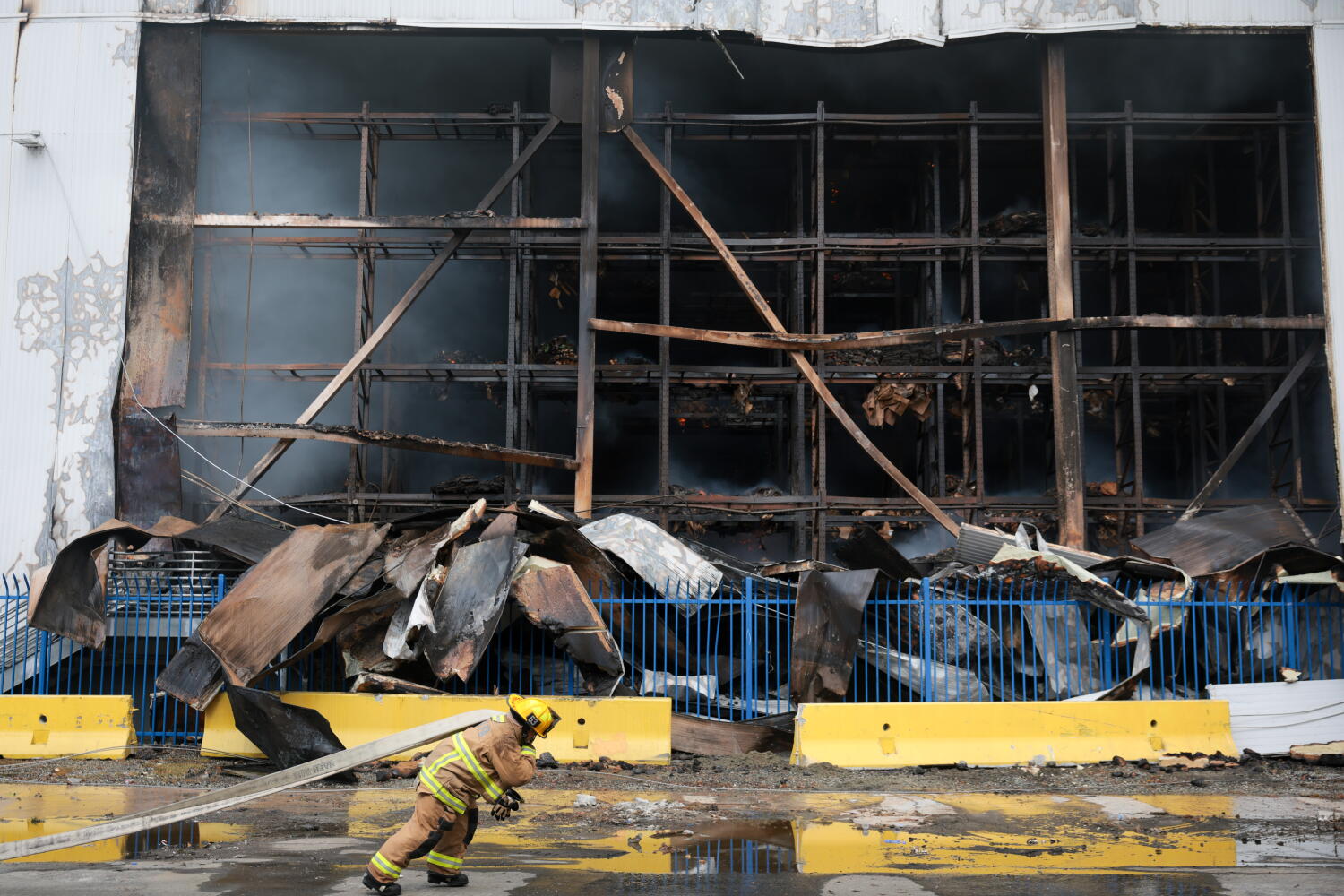
Delegates in Antalya are arguing over emissions charts and carbon targets, but the real crisis is happening on the ground. As the COP31 climate summit unfolds, farmers from the dry corridors of El Salvador to the drought-hit plains of Bolivia are watching their harvests turn to dust. We are past the point of treating food security as a secondary talking point. Extreme weather and a roaring El Niño cycle are punishing agricultural systems worldwide, leaving global food supplies hanging by a thread.
If you want to understand why grocery prices keep climbing and why millions face acute hunger, you have to look past corporate supply chain excuses and look straight at the fields. The climate crisis isn't a future threat anymore. It's actively breaking how we grow food.
The Reality of Farming on a Warming Planet
A farm can produce a record harvest one season and lose everything to a sudden flash flood or a multi-year drought the next. Traditional agricultural models assumed stable weather patterns that no longer exist. Data from the World Meteorological Organization shows that 2026 temperatures have hovered nearly 1.5°C above pre-industrial averages, accompanied by staggering ocean heat and shrinking glacier reserves.
When water scarcity hits, smallholder farmers feel it first. In places like Bolivia, severe droughts have recently wiped out tens of thousands of livestock heads and upended over a hundred thousand families. Meanwhile, nations like Türkiye warn that unchecked warming could strip away a massive portion of national water resources by the end of the century.
Farmers are caught in a brutal cycle. They need immediate assistance to survive shifting weather extremes, yet international climate finance remains locked behind walls of bureaucratic paperwork.
Why Traditional Ag Finance Keeps Failing
Billions of dollars get pledged at climate summits, but very little of that money trickles down to the people actually working the land. Small-scale farmers face a maze of intermediaries and rigid requirements just to secure emergency funding. By the time a grant or a loan gets approved, the drought has already destroyed the crops, and the farm has gone under.
The Food and Agriculture Organisation and various humanitarian agencies are pushing delegates at COP31 to put food systems right at the center of climate negotiations. That means shifting away from reactive emergency relief toward proactive adaptation. It means funding local water management systems, drought-resistant seed distribution, and early-warning networks before a crisis hits, rather than scrambling after the damage is done.
Diversification Beats Monoculture Every Time
Relying on a single staple crop is a gamble that farmers can no longer afford to take. Take the experience of growers in Central America's dry corridor, where planting only maize and beans used to spell total ruin whenever the rains failed.
Transitioning toward diversified farming—combining grains with cassava, fruit trees, and resilient livestock—creates an essential safety net. If a heatwave destroys the maize, milk sales and alternative crops keep the household afloat.
Governments and international bodies need to back these practical shifts. Monoculture farming might maximize short-term yields on paper, but it leaves global food networks dangerously fragile. True resilience requires structural diversity, localized agricultural support, and financial mechanisms that trust farmers on the front lines.
The decisions made at COP31 will determine whether global agriculture adapts or breaks. Stop treating food security as an afterthought. Support local agricultural adaptation, streamline climate finance for smallholders, and invest in diverse farming systems before the next shock hits.