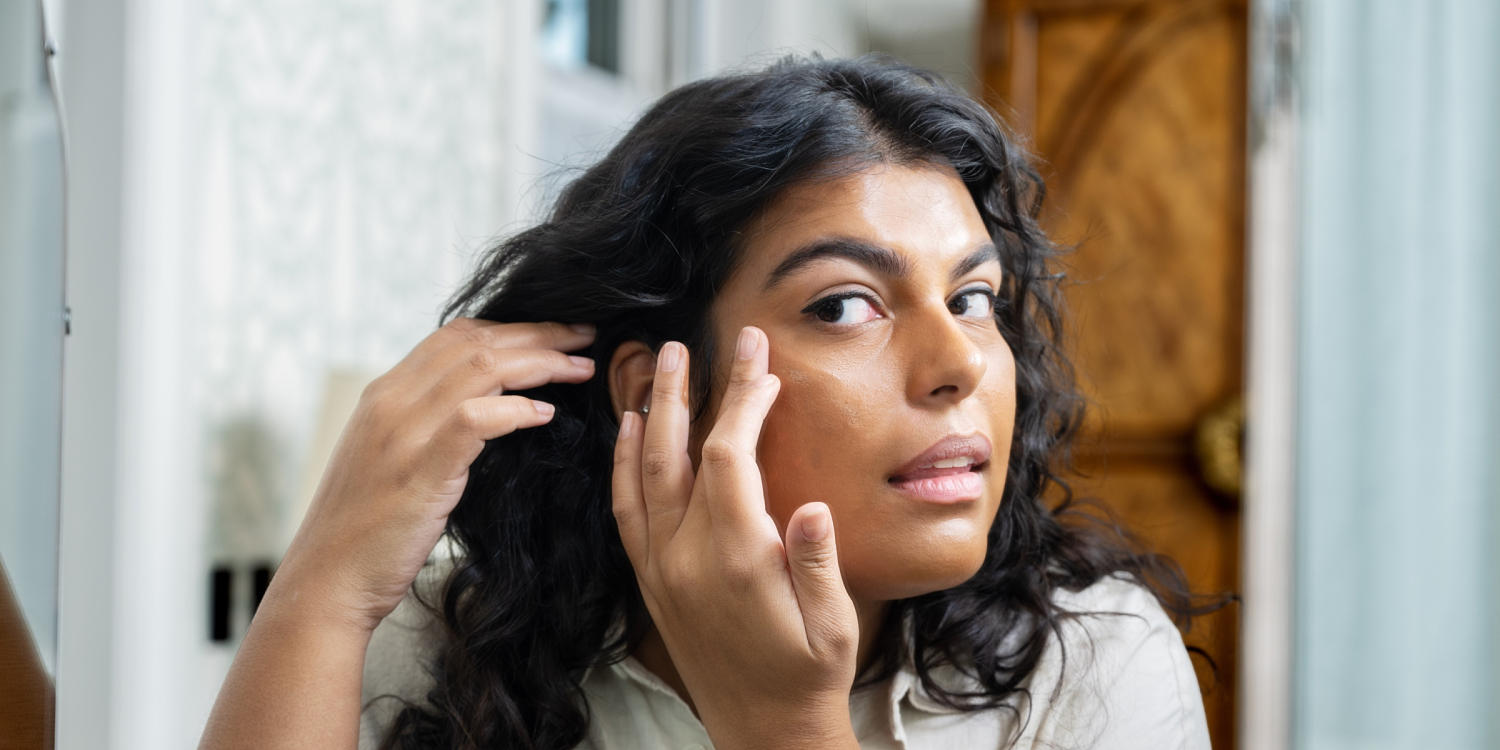
Winter turns your skin into sandpaper. Central heating bakes your indoor air down to the humidity level of the Sahara, and walking outside hits your face with freezing wind that rips away every drop of moisture you have left. You grab a trendy serum, slap it on your face, and wonder why your cheeks still flake by noon.
If that serum relies entirely on hyaluronic acid, you are fighting a losing battle against the cold.
The beauty industry spent the last decade convincing everyone that hyaluronic acid is the undisputed king of hydration. Every influencer owns a bottle. Every luxury brand charges eighty dollars for a dropper of it. But when the temperature drops and humidity plummets, hyaluronic acid often turns on you. Glycerin quietly sits on drugstore shelves for six dollars, outperforming its expensive rival without any marketing hype.
The Physics of Winter Air and Your Skin Barrier
Your skin loses water all day long. Dermatologists call this transepidermal water loss. When humidity is normal, humectants pull moisture from the air and anchor it into your skin. Hyaluronic acid is famous for holding up to one thousand times its weight in water. That sounds impressive until you step outside into crisp winter air that holds virtually zero moisture.
If there is no moisture in the surrounding air for hyaluronic acid to grab, it gets desperate. It starts pulling water from wherever it can find it. That means pulling moisture up from the deeper layers of your skin and exposing it to dry winter air where it evaporates instantly. Your skin ends up drier than when you started.
Glycerin works differently. It is an older, less glamorous ingredient, but its molecular structure is much smaller than hyaluronic acid. While hyaluronic acid molecules tend to sit large and heavy on the surface, glycerin penetrates deep into the stratum corneum. It actually integrates with your skin's natural lipid matrix to reinforce the barrier itself. It does not just trap water on top. It locks it into the cellular layers where your skin actually needs protection.
Why Dermatologists Secretly Prefer the Cheap Option
Ask any cosmetic chemist what they use when their face feels raw in January, and they will point you toward simple, high-percentage glycerin formulations.
Glycerin is naturally biocompatible. Your skin already contains it as part of its own internal moisturizing factor. When you apply a product with ten or twenty percent glycerin, your skin recognizes it immediately. It does not cause irritation, it does not sting when your moisture barrier is cracked from cold wind, and it costs pennies to manufacture.
Hyaluronic acid molecule sizes vary wildly depending on the formulation. Low molecular weight versions can sometimes trigger inflammation in sensitive skin because the molecules are small enough to trigger immune responses. High molecular weight versions form a nice surface film, but they wash away the second you step into sleet or snow.
How to Actually Layer Your Hydration When It Freezing Outside
Throwing out your hyaluronic acid completely is unnecessary. You just have to stop using it like a standalone miracle worker.
If you love your hyaluronic acid serum, apply it to soaking wet skin right after stepping out of the shower. Trap that water immediately with a thick cream rich in glycerin and ceramides. Ceramides patch the physical cracks in your skin barrier, while glycerin acts as mortar holding the bricks together.
Look at ingredient labels closely. If hyaluronic acid sits near the top of the list but glycerin is nowhere to be found, you are paying for water retention that will backfire the moment you step outside. Look for products where glycerin appears within the top five ingredients.
Stop chasing expensive marketing labels. Your winter skin does not care about fancy botanical extracts or sleek glass droppers. It needs a sturdy barrier and a molecule that actually holds onto water when the weather turns brutal. Reach for the heavy, sticky glycerin cream. Your face will thank you before February hits.