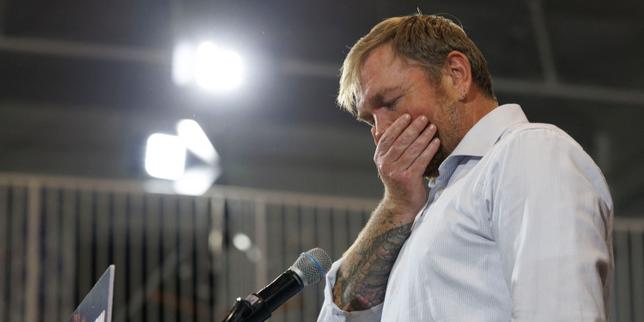
The Democratic strategy to win back the Senate in 2026 just went up in smoke. It didn't happen because of a policy shift or a fundraising drought. It happened because their star populist candidate in Maine, Graham Platner, officially ended his campaign after a devastating sexual assault allegation.
If you've been tracking national politics, you know how much the party leadership bet on this race. They wanted a rugged, working-class outsider to unseat long-time Republican Senator Susan Collins. They got an oyster farmer and Marine veteran who carried a mountain of personal baggage. Now, the party is left holding an empty bag in a race they absolutely had to win.
Here is what most national commentators are missing about this collapse, and what it really means for the balance of power in Washington.
The Mirage of the Rugged Populist Candidate
National Democrats have a long-standing obsession with finding a specific type of candidate. They want a rural, plain-spoken figure who can win back working-class voters who fled to the right. Platner looked perfect on paper. He was a veteran with multiple combat tours, ran an oyster business, and spoke with raw anger about corporate monopolies and billionaires.
He won the June primary with a stunning 72% of the vote, crushing the state’s establishment governor, Janet Mills. His supporters ignored the warning signs because they were desperate for a fighter.
The signs weren't subtle. Voters already knew about his history of volatile Reddit posts where he used slurs and expressed fringe views. They knew about his controversial chest tattoo that resembled a Nazi SS symbol, which he claimed he got while drinking in Croatia and didn't understand. His base forgave it all, viewing his past struggles with PTSD and alcohol as part of a classic redemption story.
Then the floor fell out. A former girlfriend accused him of rape stemming from a 2021 incident. Within days, local party leaders rescinded endorsements. The campaign died instantly.
Why the Maine Collapse Triggers a National Crisis
Losing the Maine Senate seat isn't just a local failure. The math for the Democratic Party in the 2026 midterms is brutal. Republicans entered the cycle with a 53-47 majority. To flip the chamber, Democrats needed to protect all their vulnerable incumbents and snatch at least three seats from Republicans. Maine was the centerpiece of that map.
Susan Collins has held her seat for thirty years. She's survived tough national environments before, but early polling showed Platner ahead due to sheer anti-establishment energy. With Platner out of the race, that momentum is gone.
The institutional damage is severe. Because Platner won the primary so decisively, the state party now faces a chaotic logistical scramble to replace him on the ballot. Whoever steps into the vacuum will have zero runway, no established national fundraising network, and the permanent stain of a broken primary process. Collins is now heavily favored to coast to a sixth term.
The Fatal Mistake of Prioritizing Vibes Over Vetting
The real lesson here lies in how political parties vet candidates in the internet age. The Democratic establishment initially feared Platner’s radical rhetoric, but national progressive groups championed him as a template for future campaigns. They prioritized his anti-oligarch messaging and aesthetic over basic operational due diligence.
Ignoring a pattern of personal misconduct in favor of a compelling narrative is a trap. When a candidate's primary appeal is their personal authenticity, any revelation that shatters their moral authority destroys the entire campaign infrastructure. You can't run as a champion of the vulnerable when your own past involves allegations of exploiting them.
What Happens Next
If you are tracking the fight for the congressional majority, stop looking at the generic ballot and focus on these immediate operational steps:
- Watch the Maine Democratic Committee: The party must quickly select a replacement nominee under state rules. Watch whether they try to coax Governor Janet Mills back into the arena or pick a lesser-known progressive placeholder.
- Track the Money Pivot: National donors will likely pull funding out of Maine and reallocate those resources to safer incumbent races in states like Georgia or Michigan to prevent a total Senate blowout.
- Expect a Vetting Overhaul: Expect congressional campaign committees to tighten boundaries around online footprints and non-traditional candidates ahead of the next cycle.
The dream of an outsider sweeping through rural America to save the party's Senate map is over for 2026. Democrats chose a candidate based on an idealized image, and the reality of his past just cost them their best shot at power.