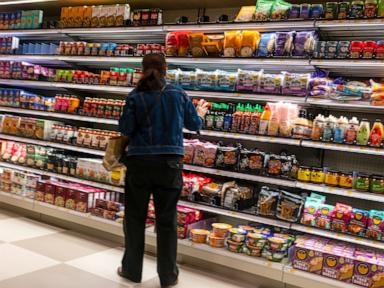
Walk into a grocery store and you're looking at produce, meat, dairy, and dry goods. You aren't thinking about firewall rules or unpatched controllers. You should be. A new Government Accountability Office report, GAO-27-108656, warns that cyberattacks on the US food supply aren't some sci-fi scenario anymore—they're hitting plants, cold chains, and farm systems right now.
When hackers mess with the food and agriculture sector, the fallout doesn't stay trapped on a screen. It shows up as spoiled milk, empty shelves, higher prices at checkout, and real food safety risks. What makes this moment especially tense is timing. The GAO report came out on November 19, 2026, right alongside reports of a cyber incident at the US Department of Agriculture that knocked farm aid and payment applications offline and forced an emergency database password reset.
Why the US food supply is an easy target for hackers
Food and agriculture is one of the country's 16 critical infrastructure sectors, and it's sprawling. According to the GAO's review of USDA and FDA estimates, the sector spans roughly 1.9 million farms, more than 220,000 registered food manufacturing, processing, and storage facilities, and over 700,000 restaurants. Trying to secure that many moving parts with wildly uneven budgets is a nightmare.
For years, farms and food plants ran mechanical gear or isolated controls. Now everything talks to a network—automated process controls, inventory trackers, grain bin monitors, and commercial refrigeration systems. Convenience won out over isolation, and attackers noticed.
Here's a detail that catches plenty of folks off guard: a cyberattack on food isn't just about stolen credit cards or locked spreadsheets. If an attacker tampers with cooling or processing systems, food can sit in unsafe temperature zones without triggering a normal alarm. If a display case warms up overnight and cools back down before morning staff arrive, the food might look cold while sitting outside safe temperatures for hours. Food safety and cybersecurity are basically joined at the hip now.
Real attacks that already hit farms, plants, and grocery aisles
Anyone who treats food cyber threats as theoretical hasn't been paying attention. The GAO highlights real disruptions across the chain, and 2026 has been especially rough—on pace for one of the highest volumes of ransomware attacks on record, with up to 227 incidents reported.
Look at what has already happened:
- Grocery refrigeration tampering: Hackers have remotely cranked up temperatures in supermarket refrigerators and freezers across hundreds of stores, spoiling food and even sparking fires.
- JBS Foods (2021): A ransomware attack forced slaughterhouse shutdowns, squeezed supply, and helped drive a 25% spike in meat prices.
- Dole (2023): An attack on servers and computers shut down production plants, disrupted store availability, and cost the company $10.5 million.
- Fairlife (2026): Intruders reached production-related systems, halting output at US plants while parent company Coca-Cola investigated.
And then there's the administrative side. Reporting on November 19 and 20, 2026, pointed to a cyber incident hitting USDA systems, taking farmer-facing aid and loan tools offline while staff dealt with outages and password resets. Even if an attack doesn't spoil a single carton of eggs, freezing farm payments or enrollment portals right before program deadlines creates real stress for growers.
Where federal oversight is falling short
In GAO-27-108656, investigators looked at how the USDA and the Food and Drug Administration—the sector's co-Sector Risk Management Agencies—are doing against 16 cybersecurity requirements tied to the Fiscal Year 2021 National Defense Authorization Act. The verdict is mixed, and honestly a little frustrating.
Both agencies met most of the cyber-related requirements. Credit where it's due: they've put out guidance, run outreach, and worked alongside the Cybersecurity and Infrastructure Security Agency (CISA) and the Food and Agriculture Information Sharing and Analysis Center (Food and Ag-ISAC).
Still, gaps remain. Both USDA and FDA pointed to limited resources for vital work like threat information sharing and emergency preparedness. The GAO flagged issues around sharing real-time threat and vulnerability data with CISA and noted that federal leads hadn't run food-sector cyberattack exercises since 2024.
What's more, the agencies didn't see eye-to-eye on fixing it. According to reporting on the GAO's findings, HHS agreed with its three recommendations, while USDA pushed back against its two recommendations rather than welcoming them. When regulators and operators aren't practicing drills or trading live threat intel fast enough, early warnings show up late—or not at all.
What's debatable versus what's settled
Let's be clear about what we know and where people argue. Nobody serious disputes that connected food equipment and ransomware are real problems. Where friction comes in is how to fix them without breaking small operations.
Smaller farms, independent grocers, and regional processors don't have enterprise security teams. Slapping heavy compliance mandates on a family-run operation or a local co-op can eat up cash that's barely covering fuel, feed, and labor. Some industry voices worry about over-regulating small players, while security specialists warn that leaving weak links connected to shared supply networks puts everyone—including big brands and everyday shoppers—at risk. Both sides have a point, which is why practical, low-cost defenses matter more than fancy buzzwords.
What smart food businesses and households can do right now
You don't need a million-dollar security operations center to cut your risk dramatically. Most of the best moves are basic hygiene done consistently.
If you run a farm, food business, cold-storage site, or grocery operation, start here:
- Get critical equipment off the open internet. Don't expose refrigeration controllers, bin sensors, cameras, or plant networks directly to public internet access where scanners can find them.
- Add independent temperature checks. Don't rely solely on the same controller that runs cooling—or that an attacker might silence—to tell you food got warm. Independent monitors with separate alerts catch silent warming before spoilage or safety issues slip past morning checks.
- Lock down payment and account changes. Require out-of-band verification (like a call back to a known phone number) and two-person approval before changing bank routing details for USDA payments, buyers, or vendors. Watch out for urgent emails or texts claiming your payment is on hold or your password was reset.
- Keep offline backups and test restores. Keep copies of accounting records, contracts, dispatch tools, and critical configs offline or immutable, and actually test bringing them back up. A backup you've never tested is a gamble.
- Practice a simple fallback plan. Write down who to call—IT help, bank fraud lines, insurance, CISA, or the FBI's Internet Crime Complaint Center—and run through how you'd take orders, track inventory, or file paperwork if the network drops for two days.
And if you're just a shopper trying to be smart at home? Pay attention to cold-chain basics when buying chilled or frozen goods, check store seals and dates, and don't panic-buy every time a headline drops. Panic creates shortages faster than most outages do.
Food security isn't just soil, weather, and trucks anymore. It's code, configurations, and backups too. Fix those weak spots before the next alert hits.
New concerns on potential cyberattack over US food supply
This video directly covers the recent government warnings around cyber risks to the US food supply and the resource gaps flagged for federal agencies.