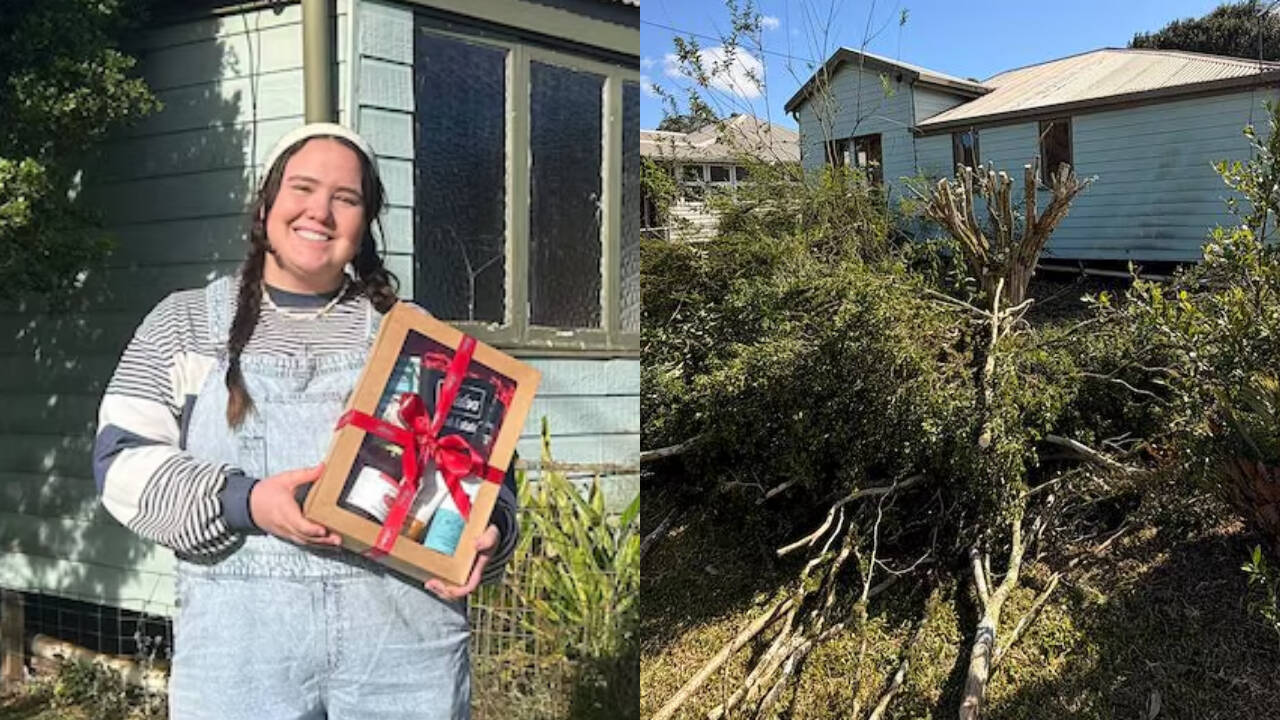
Money doesn't always win. Sometimes, a pen and some actual sincerity beat a developer's fat checkbook.
Karli Bryant proved this rule when she secured a 116-year-old timber cottage in Malanda, Queensland, even though another investor outbid her by a cool $60,000. In a property market where younger buyers usually get priced out by high-rolling corporate bidders and developers looking to flip land into concrete duplexes, her story sounds like fiction. It actually happened.
The Power of Human Connection in a Cold Market
Let's look at the reality of buying property today. Most transactions are completely detached. Offers fly through digital portals, automated valuation models dictate property worth, and sellers never even meet the people who want to live in their spaces. It is purely transactional.
Bryant chose a different path. She faced a massive financial deficit against competing bids from developers who planned to bulldoze the century-old structure to build multi-unit complexes. Built around 1910 when the railway first reached Malanda, the timber-clad house carried deep historical roots for the local community.
Instead of trying to scrape together cash she didn't have, Bryant wrote a letter to the elderly owner living in Western Australia. She didn't talk about investment returns or market value. She talked about her life.
She shared her genuine ties to Malanda. She went to the school right next door. Her grandmother taught at the local primary school, and Bryant herself was studying to become a teacher there. Most importantly, she explained her dream of raising children in the town she always called home.
The owner chose to leave the property in hands that would preserve its history rather than flatten it for maximum profit.
Why Emotional Real Estate Letters Actually Work
Sellers care about their property. People often assume sellers only care about the highest number on a spreadsheet, but that is rarely true for long-term family homes. When someone spends decades living in a house, raising a family, and building memories, handing the keys over to a demolition crew hurts.
Real estate agents see this happen all the time. Developers look at a piece of land as a blank canvas for profit. Local buyers look at a home as a sanctuary.
If you are trying to buy a home in a competitive market, relying solely on numbers can leave you defeated. Writing a personal letter changes the dynamic entirely. It forces the seller to picture a human being living in the rooms where they once ate breakfast, rather than a nameless corporation crunching margins.
How to Write a Winning Property Appeal Letter
If you want to try this strategy, you need to avoid common traps. Do not send a generic template printed out from the internet. Sellers spot fake emotion instantly.
Keep these principles in mind:
- Write it by hand. Physical handwriting shows time, effort, and vulnerability.
- Focus on the home, not yourself. Talk about what you love about the specific architecture, the garden, or the neighborhood.
- Share your real story. Connect your background to the area authentically.
- Respect their memories. Acknowledge the life they built inside those walls and promise to honor it.
Two days after settlement, Bryant and her partner were already knee-deep in renovations, working to bring the old timber back to life. They even sent the former owner a follow-up letter with a photograph of themselves standing beside the sold sign.
Money talks, but human stories still matter. Take note before you write off your chances in a tough market.