You don't expect a symbol of civic pride to vanish in a single afternoon. Yet on October 17, 2026, the historic Limoges Town Hall in France was gutted by flames during nationwide unrest, reducing a landmark built in 1883 to a skeletal ruin. When masked individuals smashed windows, set a police vehicle ablaze outside, and pushed inside to ignite a fire, they didn't just target a municipal building. They destroyed a piece of local identity that had survived world wars and Nazi occupation, leaving residents staring at ashes and wondering how civic anger spiraled this far out of control.
The Anatomy of the Limoges Disaster
The protests didn't start in a vacuum. Hundreds of thousands of people took to the streets across France, driven by mounting anger over the climbing cost of living, deteriorating public school conditions, and stagnant public services. Estimates ranged from 550,000 to 800,000 demonstrators nationwide. While the vast majority marched peacefully, a violent fringe hijacked the demonstrations.
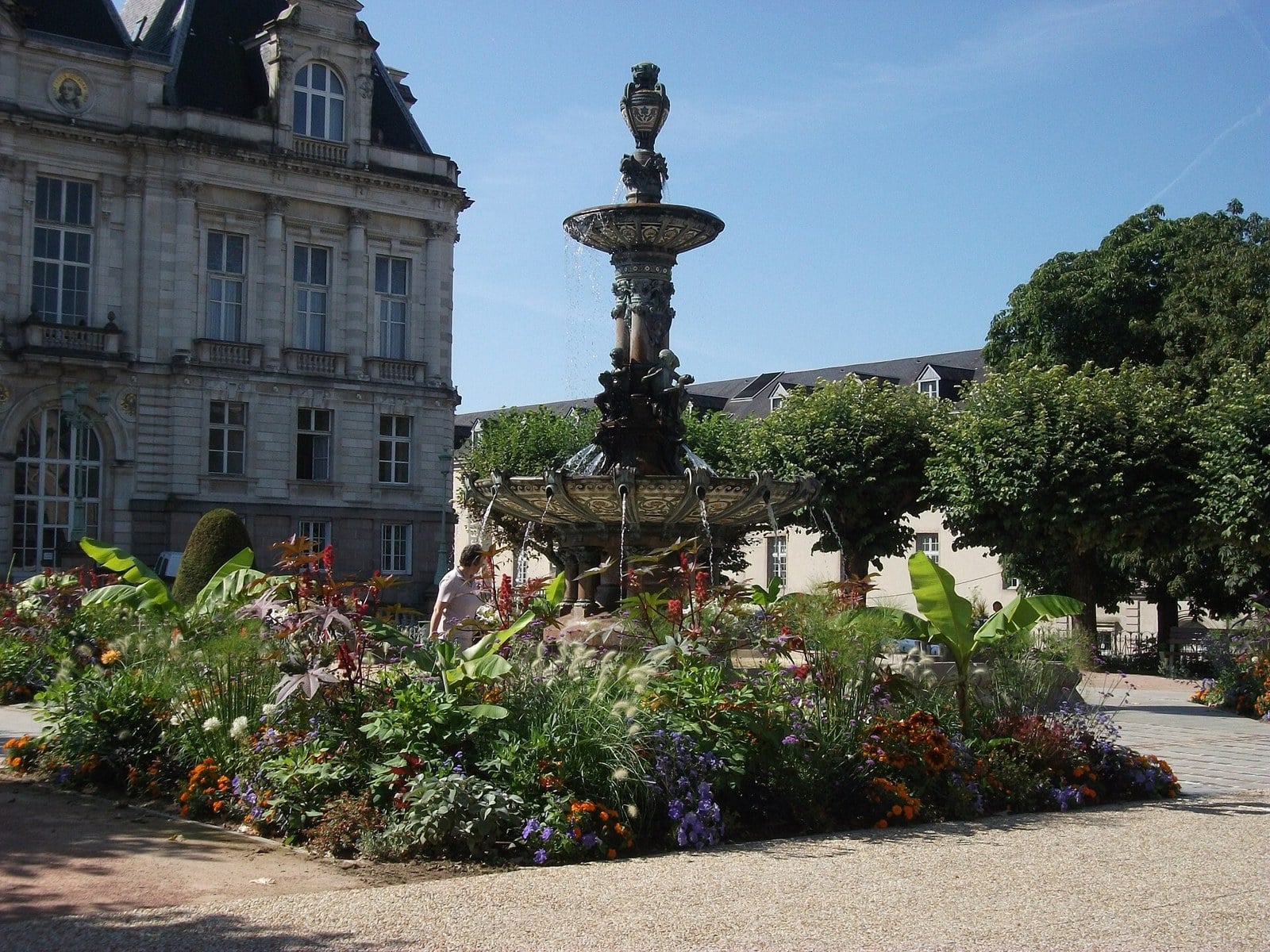
In Limoges, the situation turned catastrophic by late afternoon. According to local prefect Maurice Barate, rioters forced their way into the neo-Renaissance building designed by architect Charles-Alfred Leclerc. Flames quickly climbed from the ground floor to the upper levels, engulfing the slate roofs. The iconic 41-meter central bell tower, the campanile that had anchored the city’s skyline for over a century, collapsed into the blaze as crowds watched in shock.
Mayor Guillaume Guérin didn't mince words, calling the attack a premeditated act of destruction where staff inside feared for their lives. Local residents like Gilles Peignelin stood outside the smoldering wreckage alongside his wife Sylvie, noting that photographs were all they had left of a structure that defined their city's history.
Why the Cost of Living Crisis Ignited Public Rage
You have to look at the broader economic pressure cooker in Europe to understand the intensity of these demonstrations. Inflation, surging energy prices, and frustration over public spending have stretched working-class families to a breaking point. High school and university students have also spent weeks demonstrating over underfunded classrooms and teacher shortages.
When economic anxiety meets systemic institutional distrust, public infrastructure often becomes a target. Across other French cities like Marseille, Bordeaux, Lille, and Lyon, crowds similarly targeted police facilities, looted storefronts, and damaged public property. Over 2,400 arrests were made nationwide as interior ministry forces deployed tear gas and water cannons to regain control.
Yet, burning down a 143-year-old historic monument that weathered past global conflicts creates a profound disconnect. It pits struggling citizens against their own local history. As the government vows harsh prosecutions and repair bills mount into millions of euros, the community is left picking up the pieces.
The Broader Impact on French Heritage
Heritage experts have classified the destruction of the Limoges Town Hall as an irreplaceable loss. Listed as a historical monument in 1975, the building stood for resilience. Watching it burn evokes painful echoes of past structural disasters, reminding urban planners how fragile cultural landmarks are when social order breaks down.
If you are following European social unrest, the takeaway is stark. Economic policy failures don't stay confined to spreadsheets or parliamentary debates. They spill onto the streets, and sometimes, the collateral damage takes centuries to rebuild.
Historic Limoges Town Hall Collapses, Violent Protests Rage On
This video provides on-the-ground footage of the fire consuming the historic Limoges Town Hall and capturing the collapse of its landmark bell tower during the French protests.
http://googleusercontent.com/youtube_content/1