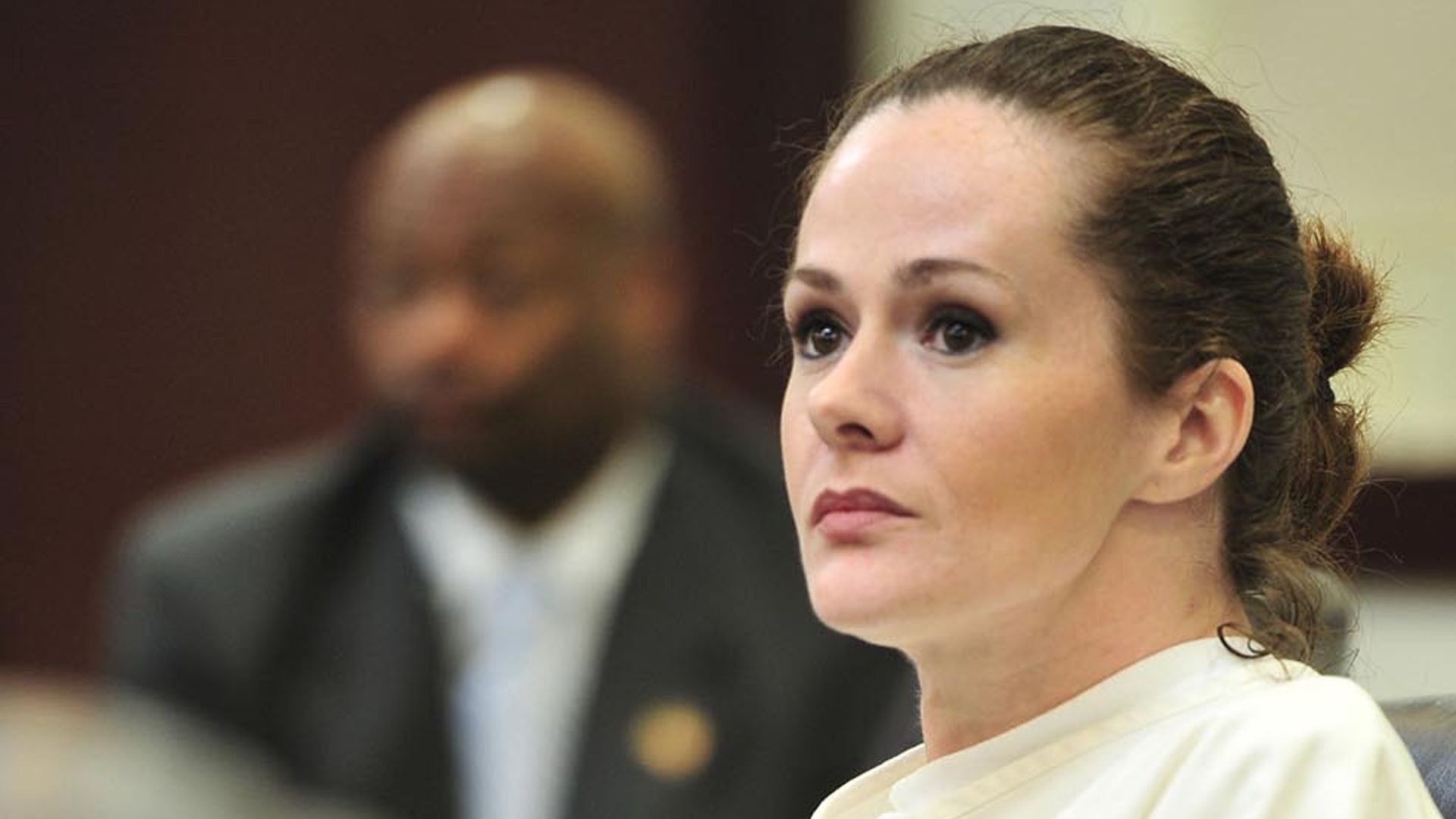
Capital punishment in America relies on a terrifying promise of clinical precision. When that machinery stalls, the consequences expose the fragile mechanics of state-sanctioned execution. Christa Pike spent thirty years on Tennessee's death row before the state tried to end her life with lethal injection on September 30. She survived two doses of pentobarbital, endured days on a ventilator in a hospital with pneumonia and a blood clot, and now finds herself back where she started.
Pike has been discharged from the hospital and returned to the Deborah K. Johnson Rehabilitation Center. Her attorneys confirmed the move, noting that while she is eating and walking with help, her long-term physical recovery and legal standing remain wrapped in profound uncertainty. The botched procedure has already claimed the job of Tennessee’s top prison official, triggered a third-party independent review ordered by Governor Bill Lee, and forced an immediate halt to other scheduled executions in the state.
The Anatomy of a Failed Execution
Most people assume lethal injection is a straightforward, medicalized procedure. It is not. It is an administrative process carried out by corrections personnel behind closed doors. On September 30, witnesses watched as Pike offered a brief final statement expressing peace. Five minutes later, she raised her head, complained that her arm hurt, and slipped out of consciousness. Heavy, labored breathing filled the execution chamber for nearly ninety minutes before media witnesses were ordered out and an ambulance rushed her to a hospital.
Her legal team described her initial days in the hospital as a harrowing ordeal. She was placed on a ventilator, unconscious, dealing with pneumonia and temporary paralysis in her arms. When she finally regained consciousness, attorneys reported she was angry, confused, and struggling with short-term memory lapses. It took over a week of intensive medical intervention before she could walk with assistance and eat solid food.
The Legal Aftermath and the Threat of a Second Attempt
The central question haunting this case isn't just medical—it's constitutional. Does surviving an execution mean the state loses its right to try again?
Legal experts are fiercely divided. A Tennessee court recently ordered the state to preserve all evidence tied to the botched attempt, including needles, drug lot numbers, and gurney restraints. During court proceedings, Pike's attorneys pressed the state on whether a second execution attempt is coming. The state's lawyers have made no promises that Pike is safe from a future lethal injection.
Pike's defense team argues that subjecting her to another execution attempt violates the Eighth Amendment's prohibition against cruel and unusual punishment. They are actively urging Governor Bill Lee to commute her sentence to life imprisonment without the possibility of parole. They point out that a human body is not a faulty appliance that the state can simply reset and try again until the procedure works.
A System Under Scrutiny
This isn't the first time capital punishment protocols in Tennessee have faced intense scrutiny, but the survival of an inmate after multiple lethal doses pushes the debate into uncharted territory. Governor Lee's decision to pause the state's execution calendar signals an acknowledgment that the protocol failed catastrophically. The resignation of the state's prison chief underscores institutional accountability, yet the core moral and logistical questions remain unresolved.
For decades, the public debate around the death penalty focused strictly on guilt, innocence, and morality. Cases like this shift the focus to the raw execution mechanics and the inherent risks of state-administered death. When a execution fails, it leaves behind a maze of legal precedents, traumatized witnesses, medical complications, and an inmate caught in a legal purgatory.
Pike is back in her prison cell, receiving ongoing medical care while her attorneys track her recovery. Whether the state of Tennessee will attempt to wheel her back into the death chamber or whether the courts will intervene remains to be seen. The state wanted a quiet end to a 1995 murder case. Instead, they opened a constitutional Pandora's box.


