Philanthropy is usually suffocated by bureaucracy. Traditional grant-making involves endless application forms, rigid milestone tracking, layers of consultants, and months of waiting just to get a fraction of what you asked for. Melinda French Gates blew up that playbook.
When she handed twelve global luminaries twenty million dollars each through her organization Pivotal with zero requirements other than giving it away, she created a radical experiment in trust-based philanthropy. No strings. No overhead tracking. Just raw capital dropped into the hands of experts who actually know where the real problems are.
Watching how these leaders dispersed their funds reveals a lot about what happens when you remove institutional friction from charitable giving.
The Shock Factor of Total Financial Freedom
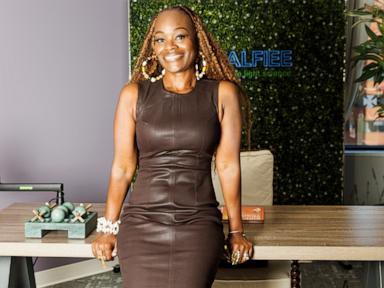
Dr. Alfiee Breland-Noble remembers the exact moment she found out she was receiving the twenty million dollar allocation. She was stunned. As a psychologist who founded The AAKOMA Project—an initiative focusing on adolescent mental health—she spent decades fighting for scraps in a nonprofit ecosystem that chronically underfunds work centering women and girls of color.
Suddenly, she had a massive pool of money and complete autonomy.
Instead of hoarding the funds or building an internal administrative fortress, Breland-Noble treated the windfall as a mandate to find hidden gems. She created The MATTIE Fund, named after her mother. While she did support prominent organizations like the Asian Mental Health Collective, she actively hunted for smaller operations that institutional donors usually ignore.
She used Instagram. She searched LinkedIn. She asked audiences at her speaking gigs for grassroots recommendations. That unconventional sourcing method brought funding to places like the BackSpinz Music Academy in North Carolina and the Daddy Stroller Social Club, which helps new fathers navigate postpartum depression.
That is what happens when you decentralize philanthropy. You stop funding the usual suspects with flashy marketing departments and start funding the people doing gritty, boots-on-the-ground work.
Fixing the Blind Spots of Traditional Wealth
Traditional mega-donors tend to give money to institutions they already know, perpetuating an insular loop of wealth and influence. French Gates designed this initiative specifically to shatter that loop. By selecting leaders from diverse backgrounds across different sectors, she bypassed her own blind spots.
Take former New Zealand Prime Minister Jacinda Ardern, another recipient of the multi-million dollar distribution. Ardern used her allocation to tackle a devastating systemic failure: maternal mortality in crisis zones. Partnering with the International Rescue Committee, she helped establish the Safer Births in Crises Consortium. The initiative targets regions like South Sudan, Burkina Faso, and Papua New Guinea, where a staggering percentage of global maternal deaths occur.
That level of targeted, high-impact capital deployment rarely happens through standard philanthropic channels. Bureaucrats would spend two years debating committee structures and risk assessments. Ardern and the other selected leaders just moved the money where it was needed most.
Why Trust-Based Giving Terrifies Old-School Philanthropists
Most wealthy donors suffer from a severe lack of trust. They want metrics, impact reports, quarterly updates, and control. They treat nonprofits like corporate subsidiaries rather than autonomous missions.
French Gates flipped that dynamic entirely. Her premise was simple: the people closest to the pain are closest to the solution. If you give brilliant, grounded leaders massive financial firepower without tying their hands, they will make smarter allocation decisions than a room full of corporate consultants sitting in a glass tower.
The results speak for themselves. Nearly all the funds across the initiative have moved out into the ecosystem efficiently, targeting critical areas like women's health, mental health support, and maternal care.
If more billionaires adopted this hands-off, high-trust model, the entire nonprofit sector would transform overnight. Stop auditing every single dollar. Find capable leaders, back them completely, and get out of the way.