Most classroom design projects end up in a recycling bin or buried at the bottom of a backpack. But back in 2017, engineering academy students at North Tonawanda High School in New York received a prompt that actually mattered. City leaders asked them to reimagine a small, tired downtown space. They wanted ideas on how to fix up Charles Fleischmann Park.
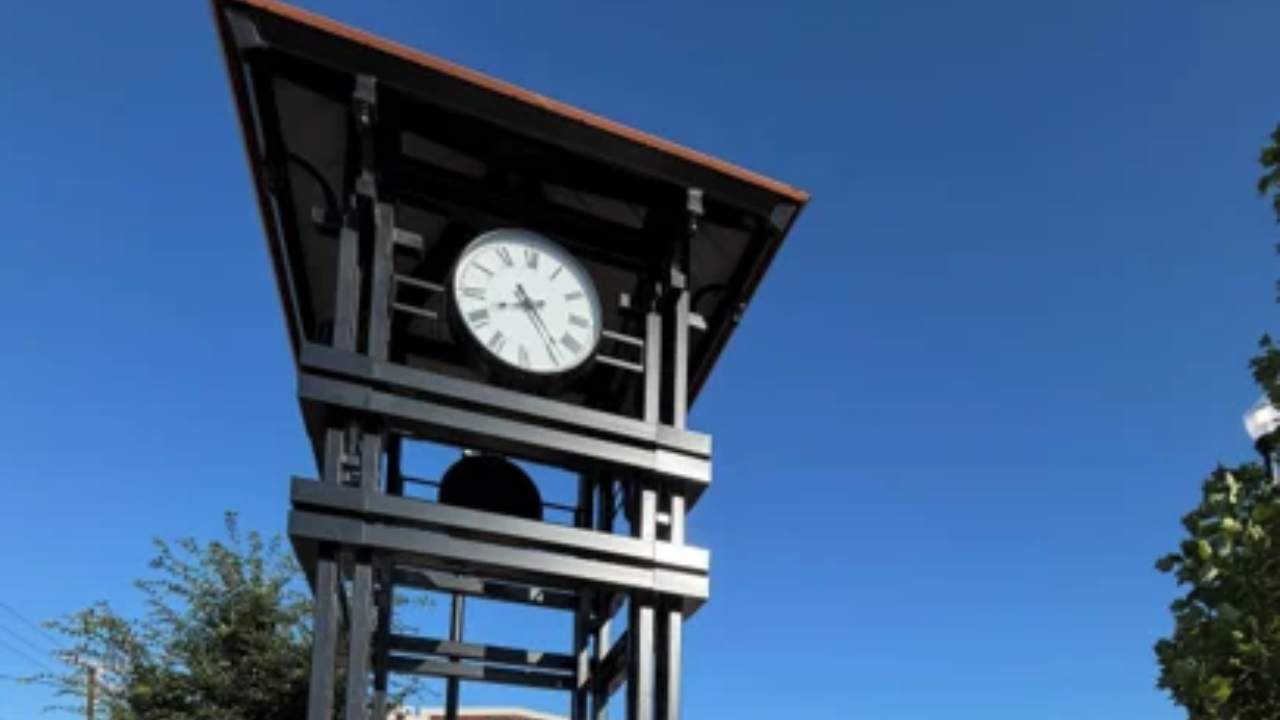
Nine years later, one of those winning student concepts finally stands built in the real world. It took a $1 million slice of a broader urban renewal initiative, years of municipal planning, and plenty of patience, but the clock tower and gathering space conceived by teenagers are now fully constructed landmarks.
Urban planning moves slowly. Everyone knows municipal projects crawl, yet waiting nearly a decade to see a school project materialize is a stark reminder of how government funding works. Projects like this depend heavily on state grants, phased community development programs, and long-term capital budgeting.
The initiative finally took physical form through Smart Growth 2.0. This $1 million downtown effort wrapped up with a ribbon-cutting ceremony. The funding didn't just touch the park. It poured resources into Webster Street with better pedestrian lighting, fixed up cracked pavement, installed electric vehicle charging stations in the Manhattan Street lot, and added modern seating and irrigation to the green space.
How a Class Project Became a City Landmark
When the students submitted their designs in 2017, North Tonawanda was just starting to chase federal and state revitalization dollars. The city had secured an initial injection through New York's Western New York Smart Growth Community Fund, part of the Buffalo Billion II initiative. That early money built docks at Gateway Harbour and expanded the park's footprint.
Years passed. Students graduated, went to college, and started careers. Meanwhile, city officials kept the original student sketches on file as downtown strategies evolved. When the state awarded North Tonawanda a $10 million Downtown Revitalization Initiative grant, planners dug back into those early local concepts. They pulled out the structural layout featuring a decorative clock tower, open pedestrian paths, and community gathering spots.
Integrating youth input into municipal design sounds like a marketing gimmick. Cities often hold token workshops where kids draw crayons on poster boards and adults throw them away. North Tonawanda did something different. They took the engineering concepts seriously enough to inject them into actual engineering and architectural specs.
The Reality of Long-Term Urban Redevelopment
Building a public park isn't just about putting up a clock tower. It requires balancing utility upgrades, zoning laws, stormwater management, and public safety. When municipal teams work with student concepts, they usually have to scale back wild ideas or adapt them to tight public budgets.
In this case, the final installation at Charles Fleischmann Park includes practical community amenities. You get benches, bike racks, dining tables, fresh landscaping, and custom lighting. These changes turn a forgotten patch of grass into an active pedestrian hub. Mayor Austin Tylec and state revitalization officials noted that the project anchors the city center and pushes North Tonawanda toward a more walkable future.
If you're a local official or educator wondering how to get young people invested in their hometowns, look at this timeline. When kids see their actual ideas alter the physical landscape of their city, civic pride stops being a textbook word. It becomes concrete, steel, and brick.
The clock tower stands finished. The ribbon is cut. The project proves that sometimes, the best urban design ideas come from people who haven't yet learned how things are "supposed" to be built.