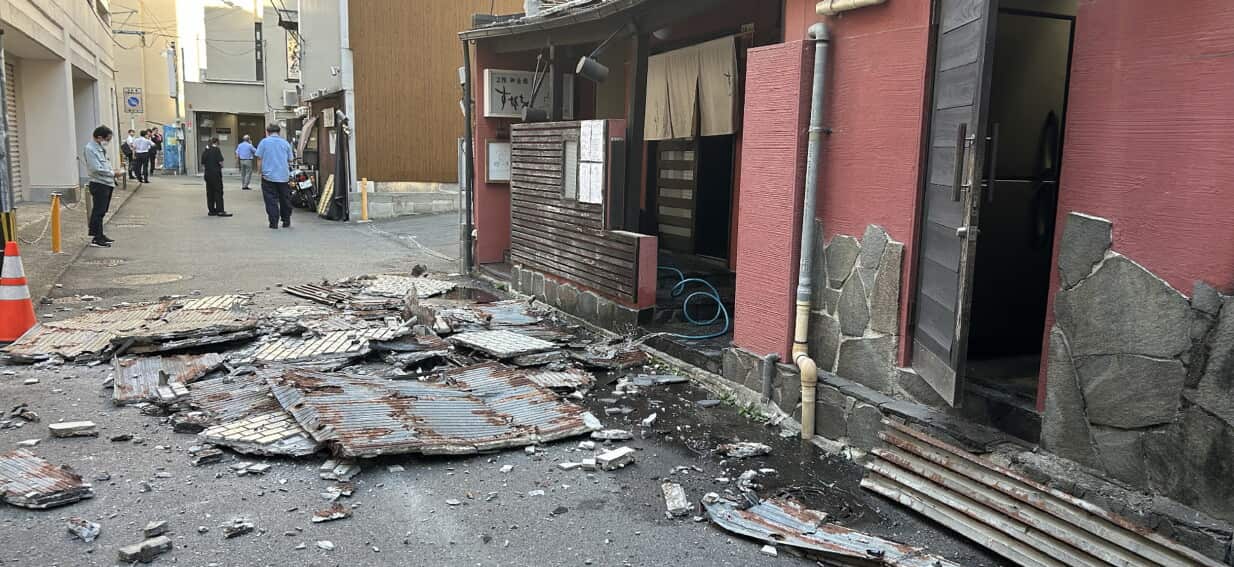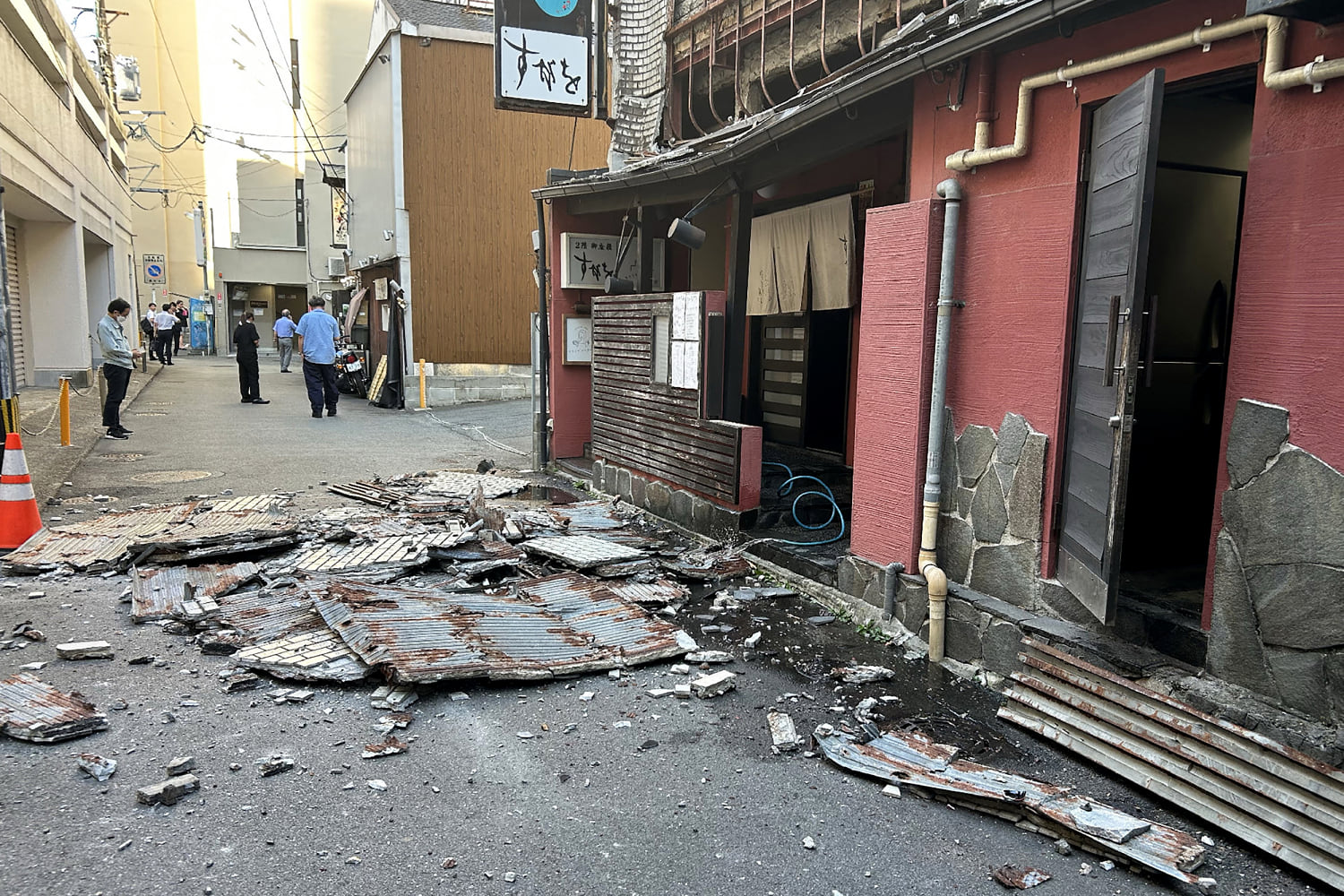
Ground shakes. Buildings sway. Sirens wail across coastal cities. When a major earthquake rocks Japan, the entire nation shifts into survival mode within seconds. You see the breaking news banners flash across screens, but what actually happens on the ground during these high-intensity seismic events?
Japan sits right on top of the Pacific Ring of Fire. It deals with tectonic plate movements constantly. Living through a major earthquake isn't a rare anomaly for locals; it's an expected hazard of geography. When a powerful quake hits, the immediate threat isn't just the ground shaking itself. It is the cascading chain of events that follows—railway halts, structural inspections, power outages, and the terrifying prospect of a tsunami.
How Japan Detects and Responds in Real Time
Seconds count. The Japan Meteorological Agency operates one of the most sophisticated earthquake early warning systems on earth. Sensors detect primary seismic waves before the destructive secondary waves hit populated areas.
Automated alerts pop up on millions of mobile phones across the country. Trains brake automatically. Elevators stop at the nearest floor. Nuclear plants trigger emergency shutdowns. This infrastructure saves countless lives.
Yet, technology can't stop nature completely. When a high-magnitude quake strikes off the coast, the threat of a tsunami triggers mandatory evacuation orders. Coastal residents know the drill. They drop everything and move immediately to higher ground or designated vertical evacuation towers.
The Reality Behind Tsunami Warnings
Most people misunderstand how tsunami warnings work. You don't wait to see a towering wall of water before moving. By the time you see it, it's too late.
Authorities issue warnings based on magnitude, epicenter depth, and oceanic displacement data. Even a modest tsunami wave carries immense destructive force. A thirty-centimeter wave might sound small, but its strong current can sweep cars away and knock adults off their feet. Local broadcasters interrupt regular programming instantly, flashing maps and evacuation zones in multiple languages to guide both residents and tourists.
Infrastructure and Everyday Preparedness
Japan’s buildings don't just stand there; they absorb shock. Strict building codes require structures to feature base-isolation technology and flexible steel framing. You'll find concrete breakwaters lining vulnerable coastlines, designed to blunt the force of incoming ocean surges.
Emergency packs sit inside Japanese homes by default. People keep bottled water, non-perishable food, flashlights, and portable radios ready to go. Schools run regular drills. Children grow up practicing drop, cover, and hold on techniques before they can even spell the word earthquake.
Disaster preparedness isn't a hobby here. It's a baseline requirement for daily life. When the earth moves, chaos happens, but preparation keeps that chaos from turning into total catastrophe. Stay alert, follow local meteorological updates, and always respect evacuation orders when coastal alerts go live.