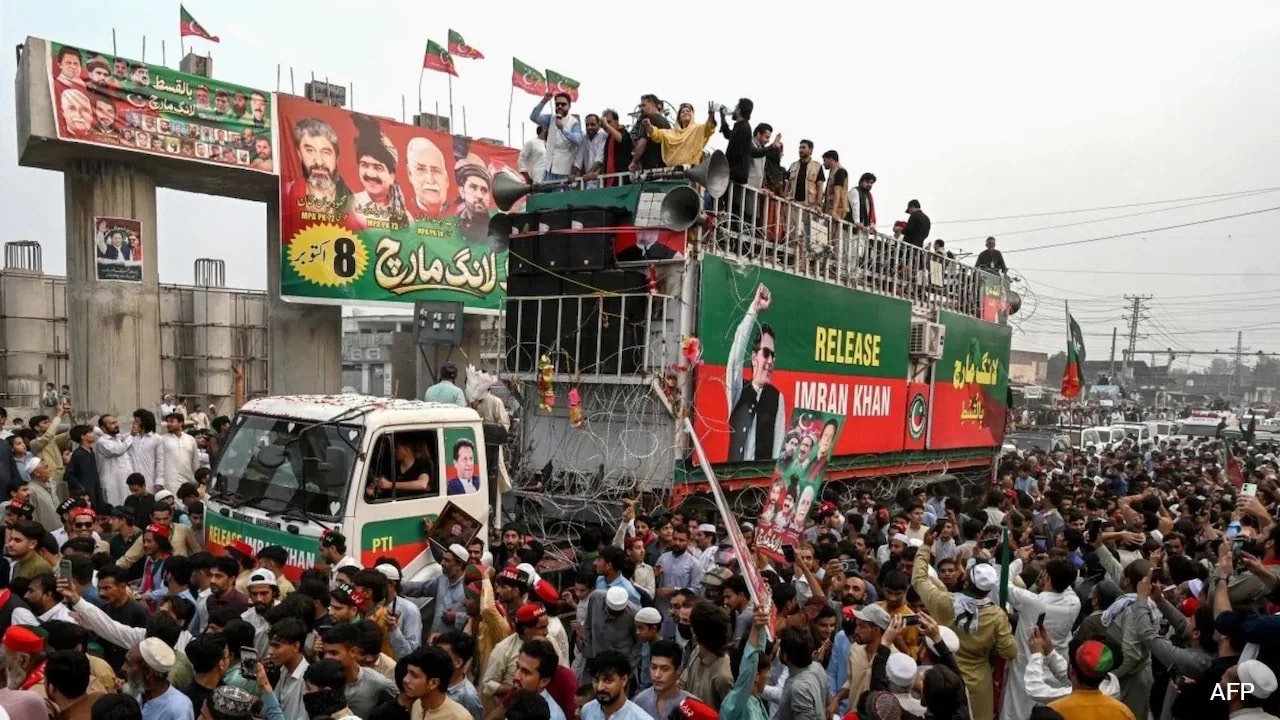
Tanks roll into Peshawar. Roads lock down. The political crisis in Islamabad just crossed a dangerous line.
Pakistan's federal government has officially imposed emergency rule across Khyber Pakhtunkhwa. This dramatic step comes directly on the heels of massive rallies organized by supporters of jailed former prime minister Imran Khan. If you think this is just another routine political showdown in South Asia, you're missing the big picture. This move strips power from the local provincial government, hands administrative control straight to federal authorities, and escalates a high-stakes standoff between the state establishment and millions of voters who refuse to back down.
Why did Islamabad pull the trigger on emergency measures now? The official line points to a worsening security crisis and surging militancy in the northwest. But look closer at the timing. The emergency decree follows weeks of intense friction, broken negotiations, and a persistent "long march" by Imran Khan’s Pakistan Tehreek-e-Insaf party. Khyber Pakhtunkhwa is the political stronghold of Khan. Sidelining the local PTI administration means the central government is directly confronting a region that has long rejected federal interference.
The Breakdown Behind Closed Doors
Negotiations between the government and PTI representatives collapsed on October 4. The sticking points went far beyond basic politics. Protesters demanded immediate medical access for Imran Khan, who has been imprisoned since August 2023 across multiple charges ranging from corruption to inciting violence. His legal team maintains that these charges are politically motivated tools designed to keep a wildly popular cricket star-turned-politician out of the electoral arena.
The federal administration, led by Prime Minister Shehbaz Sharif, tied any compromise to strict security demands within the province. When those talks hit a dead end, PTI supporters flooded the streets. Thousands began marching between towns, fueled by simmering public anger over punishing economic conditions, inflation, and a perceived assault on democratic representation.
President Asif Ali Zardari signed off on the emergency order using constitutional provisions tailored for severe security crises. Prime Minister Sharif's office publicly accused the provincial leadership of "deliberate indifference in the war against terrorism." Yet, critics see the move through a different lens. Gohar Ali Khan, the chairman of PTI, labeled the suspension an extreme and undemocratic measure that ignores the will of local citizens.
A Two-Front Crisis in the Northwest
Security concerns in Khyber Pakhtunkhwa aren't just manufactured political talking points. The region shares a volatile border with Afghanistan and has experienced a sharp uptick in violent attacks over recent months. Islamabad frequently points fingers at militant groups operating out of Afghan territory. Meanwhile, the Taliban administration in Kabul denies these allegations, accusing Pakistan of violating sovereignty and targeting civilians.
This cross-border friction erupted into open border clashes earlier in the year. A fragile truce reached in March failed to produce a permanent security framework. Now, by clamping down under emergency protocols, the federal government is attempting to project absolute control over a borderlands region that has always resisted central management.
Instead of calming tensions, emergency rule risks pouring gasoline on an already volatile fire. When a population sees its elected regional government sidelined overnight, grievances multiply. Protesters aren't just marching for Imran Khan anymore. They are marching against an expanding footprint of federal authoritarianism.
Peshawar's streets tell the real story. Heavy security presence, barricades, and shut-down thoroughfares show a province braced for conflict. The state hopes emergency powers will crush dissent quickly. History suggests it might only deepen the divide.
Watch the coming days closely. If federal forces try to aggressively purge local institutions, the pushback from citizens will test the limits of state power in Pakistan's northwest.