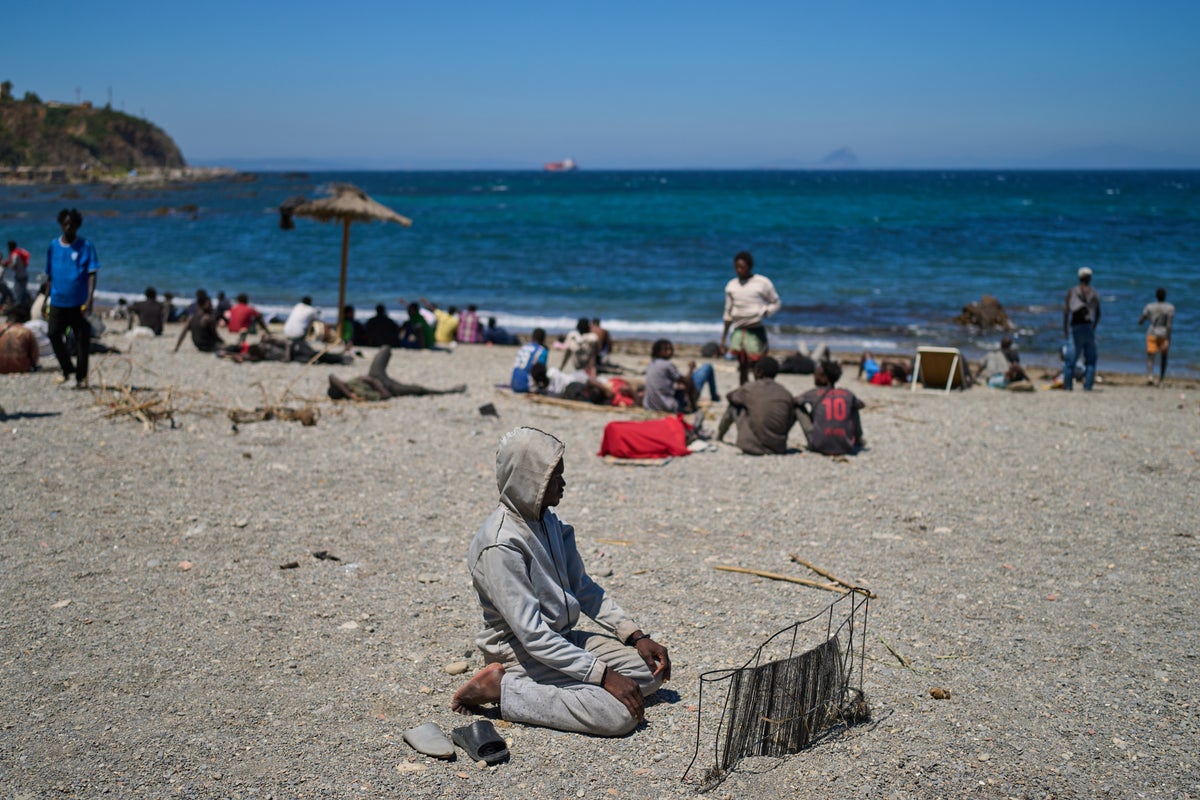
The sea off Ceuta gave back the bodies days ago, but the human wreckage remains scattered across the Spanish enclave. When tens of thousands of people rushed the Moroccan border, fueled by social media rumors and desperation, the world watched the chaos unfold through shaky phone screens.
Now, the crowds have thinned. Most adults have either gone back voluntarily or faced expulsion. Yet roughly 1,000 minor migrants are stuck in limbo, sleeping on beaches, begging for scraps, and caught in a legal trap that tests Spain's promises.
The Reality Behind the Numbers
You hear statistics thrown around by politicians in Madrid, but numbers mask the raw horror of the crossing. A 17-year-old girl from Tangier survived the water only to watch her eight-year-old brother drown during the stampede on the rocky shore.
She told reporters through a translator about the absolute panic of that day. "I saw people stepping on the dead," she said.
She is not alone. Estimates place the number of stranded minors around 1,000, though local officials admit tracking the exact count is nearly impossible. Some arrived with family members who vanished in the melee. Others came entirely alone, pushed by economic collapse or drawn by viral online campaigns promising an open door to Europe.
Local shelters meant to house six hundred people are completely overwhelmed. Food is scarce. Grocery stores closed their doors during the peak of the panic, leaving children to rely on the charity of local residents who hand out old clothes and plates of food.
The Legal Trap and Broken Promises
Under Spanish law, adult migrants face fast-track expulsion unless they successfully navigate an extremely narrow asylum process. Children receive different legal treatment on paper. Unaccompanied minors are supposed to be granted immediate state protection, placed into specialized care, and shielded from forced returns.
Reality tells a different story.
Witnesses have seen security forces quietly push young migrants back toward the border. In one instance, quick action by journalists and local residents stopped soldiers from expelling a crying twelve-year-old boy just meters away from the Moroccan frontier. A senior officer intervened, but many others lack advocates to speak up for them.
The Spanish government recently earmarked millions to address the crisis in Ceuta, but funding takes time to translate into beds and hot meals. Right now, survival means sleeping under the open sky.
The Inverse Drama Across the Border
While the children wait on the beaches of Ceuta, their parents wait on the other side. In Fnideq, Morocco, families gather near the border fence hoping for news.
Many mothers know their children crossed safely because of a brief phone call or text message sent days ago. Since then, silence. The Spanish Civil Guard has set up missing persons channels, but for families without visas or European passports, crossing back over to search is nearly impossible.
Hunger, thirst, and exhaustion act as silent weapons. Activists on the ground point out that the strategy relies on wearing people down until they give up and choose to return.
Europe looks across the water from the hazy distance, maintaining a wall of bureaucracy while children sleep on cardboard in the streets.