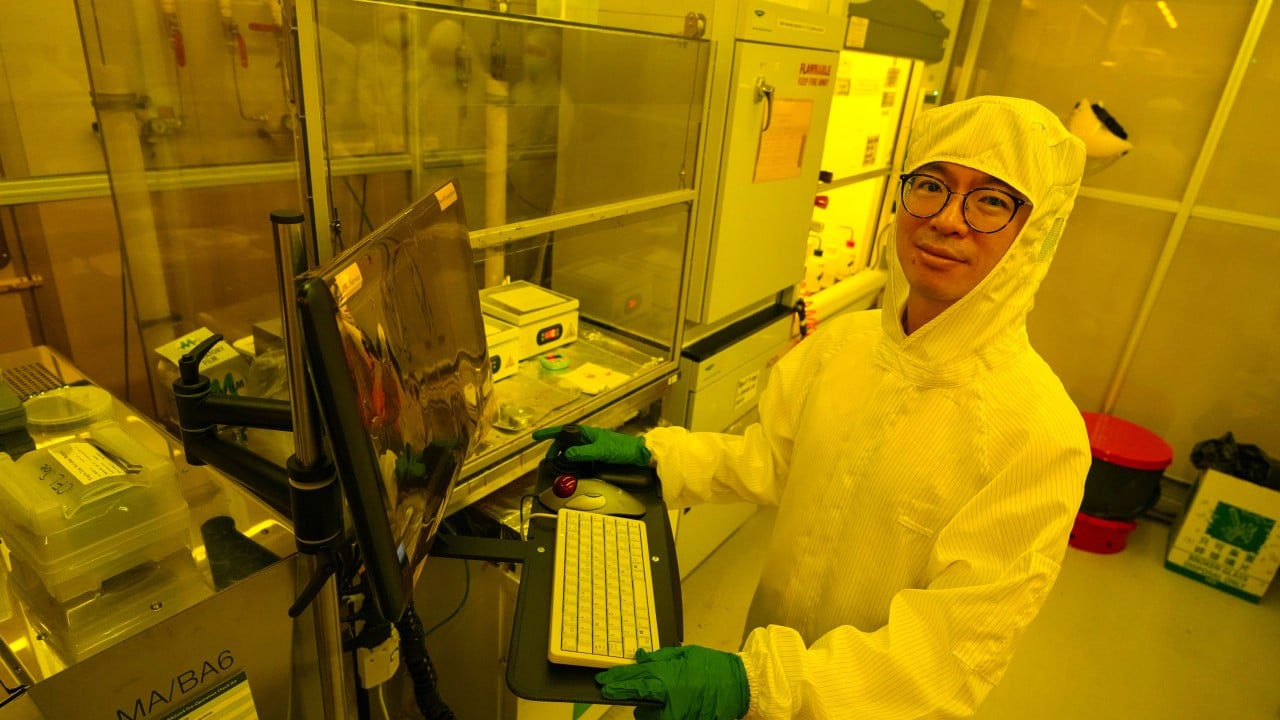
Space has always been the ultimate luxury in Hong Kong. For decades, the University of Hong Kong has squeezed cutting-edge laboratories, thousands of students, and world-class research teams into its cramped Pokfulam campus. Honestly, it’s a miracle anything gets built there at all. Every square meter comes with a massive price tag and physical limits that choke future growth.
That bottleneck is finally breaking. HKU's leadership is setting its sights on the Northern Metropolis expansion, looking to grab the physical room required for heavy hardware, extensive dry and wet labs, and an influx of global talent. Anderson Shum, the university's research vice-president, recently pointed out that the megaproject provides the exact scale HKU needs to stay competitive globally.
If you want to understand why this move matters, look past the PR statements. It's a survival strategy for a legacy institution facing intense regional competition.
Breaking Free from the Pokfulam Cramp
Pokfulam is iconic, but it is a logistical nightmare for modern scientific research. Modern labs demand massive infrastructure. Think high-end cleanrooms, heavy equipment for advanced biotech, and sprawling collaborative spaces that simply cannot fit into Victorian-era hillsides or tightly packed urban towers.
The Northern Metropolis changes the equation entirely. Part of Hong Kong's sweeping five-year blueprint, this massive cross-border development initiative is carving out dedicated university town sites totaling dozens of hectares. Instead of trying to carve out a basement lab under an existing lecture hall, HKU can design custom facilities from scratch.
When you give top-tier researchers actual breathing room, output changes. Scientists don't want to wait years for a renovation permit. They want plug-and-play research environments where they can unpack equipment and start testing hypotheses immediately.
The Cross-Border Advantage and the Talent Race
Geography dictates destiny in tech and education. The Northern Metropolis sits directly on the border with Shenzhen, tying Hong Kong into the wider Greater Bay Area via multiple land-based control points.
This isn't just about real estate. It's about access. Shenzhen houses some of the most dynamic hardware manufacturers, AI giants, and biotech firms on the planet. By planting a flag in the north, HKU positions its researchers mere minutes away from industrial partners who can commercialize academic breakthroughs at lightning speed.
Top international talent won't move to a crowded city with substandard lab conditions. When rival institutions across Asia offer sprawling campuses with state-of-the-art tech parks attached, Hong Kong had to respond. The new development includes targeted perks, from relaxed extension-of-stay rules under the Top Talent Pass Scheme to specialized visa pathways for short-term training programs.
Recruiting elite principal investigators requires more than a good salary. They need doctoral students, postdoctoral researchers, and technical staff. The Northern Metropolis expansion creates the residential and academic density required to build a self-sustaining ecosystem.
Funding Realities and Institutional Hurdles
Let's be realistic. Building a brand-new footprint in the north isn't cheap, and the government expects institutions to navigate the financial weight carefully. Education authorities have signaled that while universities can seek government loans for campus construction, those funding their own expansion or partnering creatively will see priority.
HKU has to balance the immense capital expenditure of new infrastructure with its core educational mission. Pouring billions into concrete and steel means nothing if the academic culture doesn't adapt. The leadership faces a clear choice: replicate old bureaucratic models in a new location, or use the blank slate to build a faster, more agile research engine.
Smart universities are already unbundling traditional degree structures, offering microcredentials, and setting up cross-border virtual internships. The new northern campus needs to embody that flexibility, rather than just acting as an overflow parking lot for Pokfulam.
What Happens Next
The blueprint is set, but execution is everything. Over the next few years, watch for how HKU allocates its initial departmental moves to the north. The first wave of labs and research centers will signal whether the university is prioritizing safe, traditional disciplines or doubling down on high-growth sectors like artificial intelligence, advanced materials, and translational medicine.
If you're an academic, a tech founder, or an investor tracking Hong Kong's economic pivot, keep a close eye on the Northern Metropolis zoning approvals and infrastructure timelines. The institutions that secure their footprint early will dictate the city's intellectual capital for the next fifty years. Stop viewing this as a simple real estate project. It's the baseline test for Hong Kong's entire higher education future.