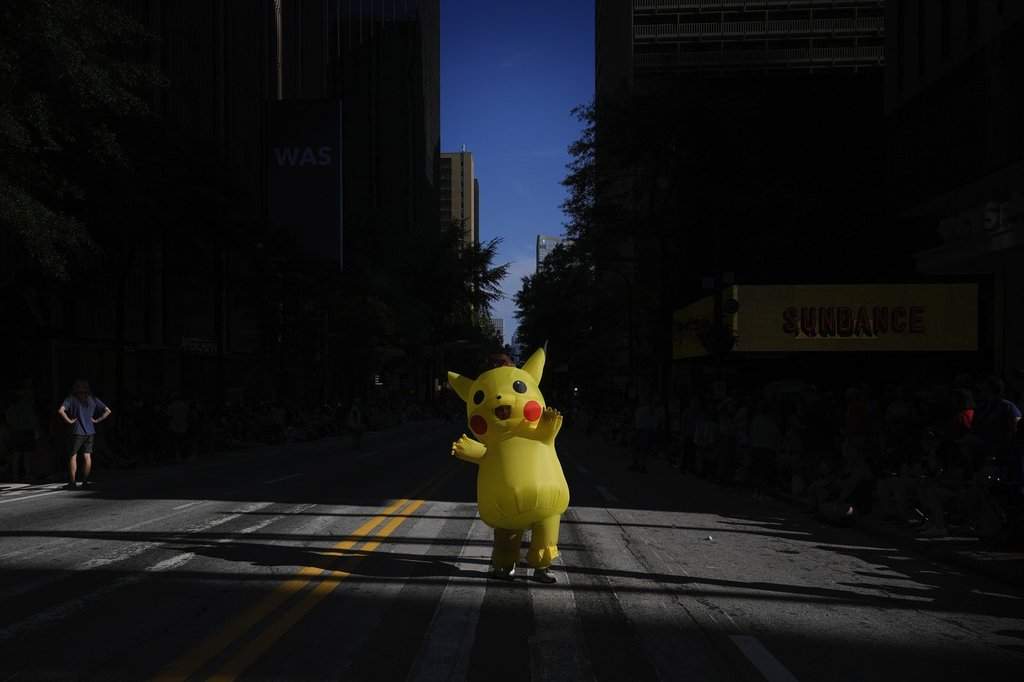
Terri Settle thought she solved her security problem with a few zip ties. Someone grabbed a box of Japanese trading cards from her Winnipeg shop, Terri's Trinkets and Toys, and sprinted out the door. Her employee caught the thief and dragged the inventory back. Simple fix, right? Not quite. Two weeks later, a burglar crawled through a ventilation duct, smashed a hole straight through the drywall, and emptied out roughly 20,500 cards in a single hit.
Settle did what any exhausted small business owner would do in that situation. She quit. She decided to stop selling the cards entirely once her remaining stock clears out.
This isn't an isolated incident. Across North America, the market for cardboard collectibles has turned hobby store shelves into prime targets for organized theft. When tiny pieces of paper command five-figure price tags, local mom-and-pop shops become high-risk vaults without the security budgets to match.
The Economics Driving the Crime Wave
Why are thieves risking jail time for cardboard? It comes down to liquidity and value density. A single rare card can weigh less than a feather, fit inside a standard card sleeve, and easily fetch thousands of dollars on the black market or anonymous online forums.
Take the recent string of violent and brazen robberies. In Ontario, a store worker took a blow to the head during a frantic escape over three rare cards worth about $5,000. In central Alberta, a shop owner lost an entire binder valued at roughly $18,000, anchored by a rare Umbreon ex monster.
These aren't kids pocketing a pack of base set cards for fun. This is organized retail theft. Thieves scout locations, target high-end inventory, and look for vulnerabilities in perimeter security.
Experts point to deep-seated nostalgia as the primary engine driving market values sky-high. Adults who grew up watching the original anime series or opening packs in the late nineties now have disposable income. When you mix heavy childhood sentimentality with a limited supply of pristine vintage stock, prices skyrocket. Multi-million-dollar sales—like Logan Paul's famous multi-million-dollar transactions for rare promotional items—send shockwaves through the ecosystem, drawing the wrong kind of attention to local main street shops.
The Uninsurable Reality for Small Business
Running a local toy and hobby store is already a razor-thin margin operation. Rent, utilities, and wages eat up most revenues. Adding specialized high-value insurance for collectible card inventory is often financially impossible.
Settle admitted she didn't carry specific insurance for her card collection because the premiums simply cost too much. When a single break-in wipes out $2,500 or $18,000 in inventory overnight, the loss hits the owner's personal bottom line. Insurance companies either decline coverage for high-risk trading card inventories or demand commercial security upgrades that small shops cannot afford.
Police departments are telling secondary market sellers and buyers to stay vigilant on platforms like Facebook Marketplace. The trouble is that trading cards lack unique serial numbers or government-mandated tracking identifiers. Once a rare Pikachu or Charizard leaves a store, proving it belongs to a specific robbery victim becomes nearly impossible unless the card has distinctive grading numbers or unique printing flaws.
How Hobby Shops Are Fighting Back
Store owners who refuse to close their doors are changing how they operate. They have to. The era of keeping high-value singles out in open glass display cases or accessible shelving units is over.
- Moving expensive inventory into high-security bank safety deposit boxes rather than keeping them overnight on-site.
- Installing commercial-grade alarm systems, motion-activated security cameras, and reinforced metal window bars.
- Limiting customer access to single card binders, requiring staff assistance to view high-end collectibles.
- Refusing cash-heavy or anonymous peer-to-peer buyouts at the counter to deter stolen goods from being immediately laundered back into local shops.
Despite these measures, the psychological toll remains heavy. Owners open their shops to share a passion for gaming and collecting, not to operate a fortress. When the risk outweighs the joy of the trade, closing the display case permanently starts to look like the only rational choice.