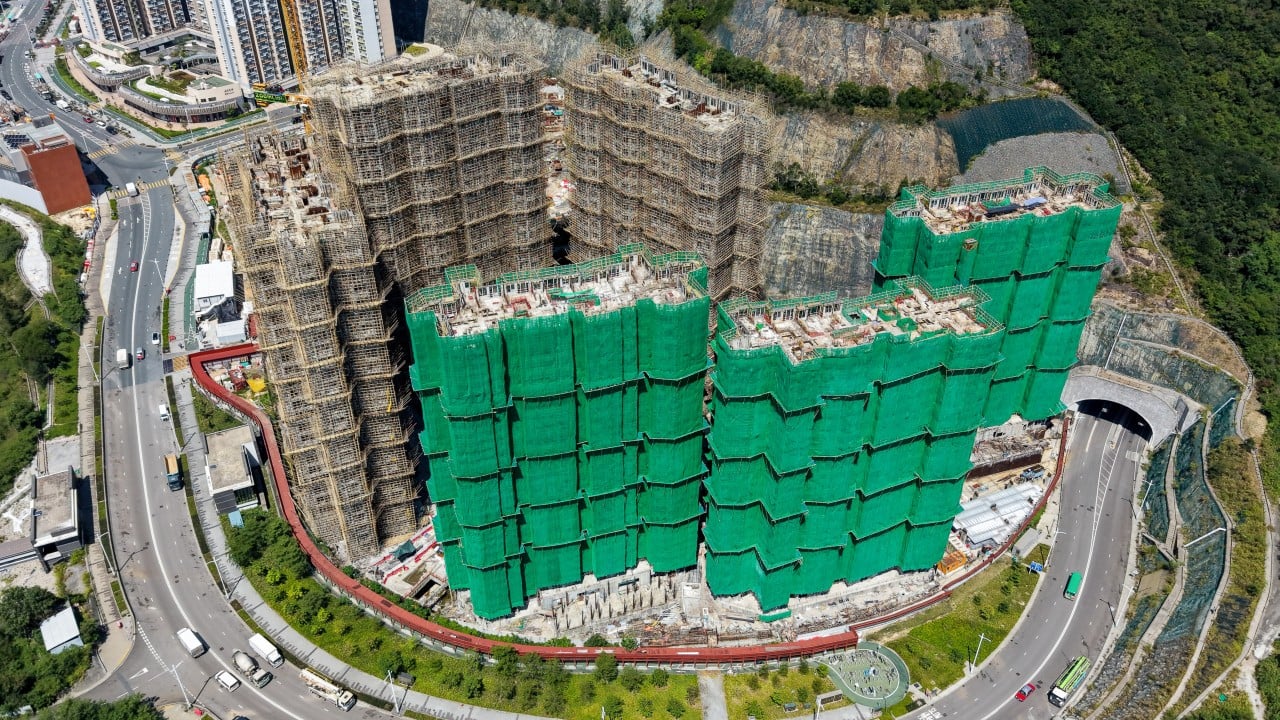
When a multi-billion-dollar real estate conglomerate has to completely tear down newly built residential towers because workers forgot or neglected to install the proper steel bars, you know the oversight system is broken. That is precisely what happened with CK Asset's residential project at Anderson Road in Kwun Tong, where severe rebar breaches across multiple blocks forced a stunning decision to raze and rebuild.
Industry experts and lawmakers aren't mincing words anymore. They are demanding a total revamp of how Hong Kong regulates building quality. When basic structural elements like reinforcing steel can go missing on such a massive scale, the current inspection regime looks less like a safety net and more like a sieve.
The Breakdown of Trust in Local Construction
For decades, Hong Kong prided itself on having some of the strictest building regulations in the world. People bought property under the assumption that government oversight and developer self-regulation would catch corner-cutting before it ever reached the foundation stage. The Anderson Road fiasco shattered that comfort.
When investigators discovered severe rebar discrepancies—with some luxury and starter-home developments facing fierce scrutiny over missing structural reinforcement—it exposed glaring blind spots. Relying solely on paperwork filled out by site supervisors and internal consultants clearly does not cut it. If supervisors can sign off on work that fails to match approved plans, the system suffers from a profound conflict of interest.
Why Current Punishments Fail to Deter Bad Behavior
Right now, accountability moves at a glacial pace. The Buildings Department initiated dozens of prosecutions against contractors, authorized signees, and technical personnel. Court hearings drag on for years, while developers quietly calculate whether fines or remedial delays cost less than rigorous compliance from day one.
Barring errant contractors from government tenders is a step forward, but it is hardly enough. When a developer can afford to write off massive financial impairments or opt to demolish entire towers because fixing them block-by-block takes too long, financial slaps on the wrist do nothing to change industry culture. True deterrence requires personal accountability for authorized persons and engineers whose signatures greenlight flawed structures.
What Needs to Change in the Inspection Playbook
Fixing Hong Kong's construction oversight requires shifting away from passive paperwork reviews toward active, independent verification.
- Independent Audits: Random, unannounced spot-checks by independent third-party engineers must replace predictable site visits.
- Digital Traceability: Real-time digital logs of rebar installation, backed by mandatory geo-tagged video evidence, can eliminate the loophole of falsified paper sign-offs.
- Stricter Buyer Protections: Homebuyers need clearer legal pathways to rescind purchase contracts or claim immediate compensation when structural defects come to light, protecting families from bearing the brunt of developer negligence.
Property markets thrive on confidence. If buyers start wondering whether the luxury flat or starter home they just purchased is hiding missing steel bars behind fresh concrete, the entire real estate ecosystem takes a hit. Rebuilding trust will take more than temporary apologies and legal battles. It demands a transparent, uncompromising inspection regime that prioritizes public safety over corporate convenience.