Most people treat local electoral updates as background noise. You glance at the headlines, shrug, and move on with your day because you assume nothing changes on the ground. But when 1,115 hopefuls scramble for 982 elected seats across 40 specialized subsectors, paying attention becomes essential. The race for Hong Kong's Election Committee is underway, and ignoring it means missing how the city's political and administrative machinery gets wired for the next five years.
Let's look past the surface and examine why this high-stakes electoral college actually deserves your focus right now.
The Reality Behind the 2026 Subsector Numbers
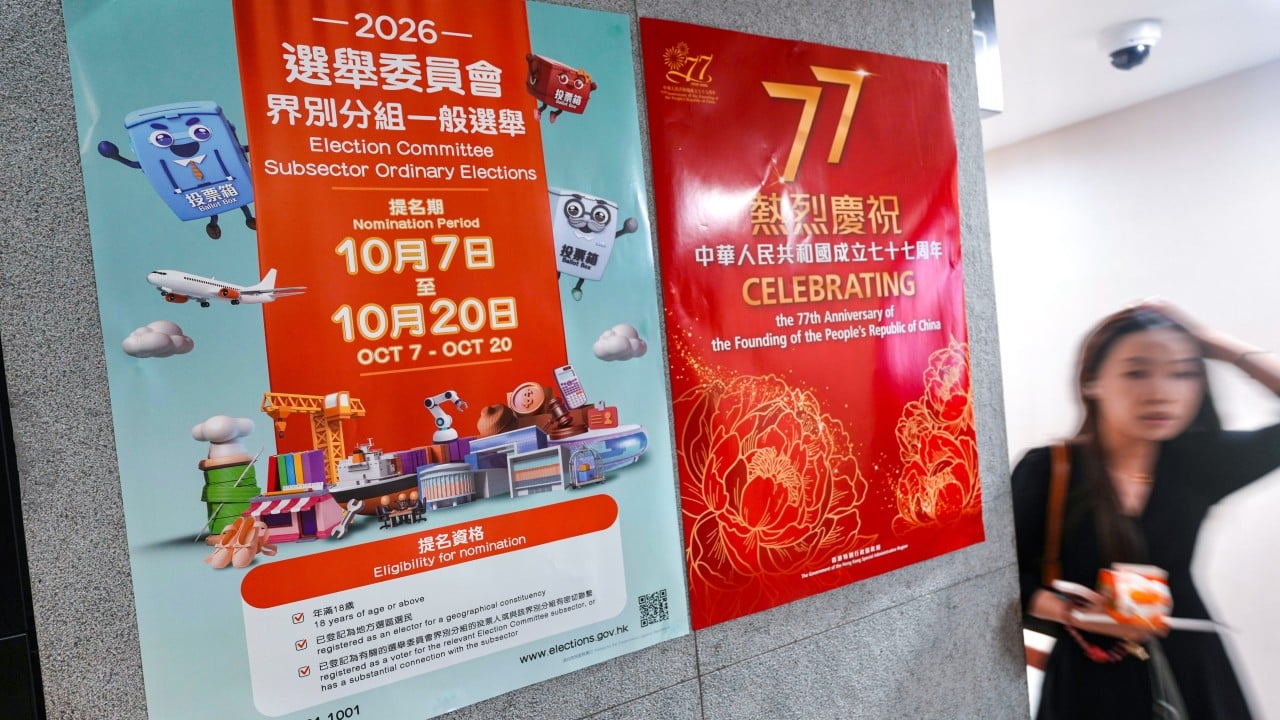
When the nomination period closed, official tallies showed that 31 out of 36 elective subsectors drew more applicants than available seats. That means a competitive poll is set for November 22. Compare that to the 13 contested subsectors seen back in 2021, and you notice an immediate shift in atmospheric pressure.
Political observers note that authorities encouraged a more robust contest to inject life into the process. Even so, don't mistake this for an open-for-all brawl. With an overall ratio averaging around 1.14 candidates per seat, it's a managed contest rather than a wild free-for-all.
Where is the heat? If you look at the professional groups, social welfare and medical and health services pulled the heaviest crowds. Social welfare saw 25 hopefuls fighting for 15 seats, while medical and health services drew 23 contenders for the same number of slots. Meanwhile, entire blocs like industrial, commercial, and financial sectors saw every single one of their 18 subsectors oversubscribed.
What the Election Committee Actually Does
If you're wondering why business leaders, former officials, and prominent community figures are spending time and money securing these seats, look at the job description. The 1,500-strong Election Committee isn't just an advisory board. It holds two immense powers within the Hong Kong Special Administrative Region.
First, it nominates and elects the Chief Executive. Second, it selects 40 members of the Legislative Council.
Whoever sits on this committee helps shape the candidate pool for the city's top executive post, which hits a fresh cycle when the new term begins on February 1, 2027, leading right into a Chief Executive election in March. If you care about local policy direction, economic planning, or housing initiatives, you are looking at the upstream source of that power.
Familiar Faces and Quiet Shifts
You won't find many shocking political disruptors on the candidate lists. Tycoons, seasoned politicians, and familiar institutional names dominate the rosters. That's by design. The restructured political framework emphasizes administrative stability and patriotism as core qualifications.
Yet, the increase in contests across professional subsectors signals a subtle push to ensure that different expert voices within specific industries still vie for influence. Sectors like education; sports, performing arts, culture and publication; alongside labor groups filled their quotas neatly without excess drama, pointing to pre-arranged consensus in those areas.
What You Should Do With This Information
Stop treating administrative elections as irrelevant spectacles. If you operate a business, work in a regulated profession, or track regional governance, understanding who sits in these subsectors tells you where political backing will flow for the next half-decade.
Mark your calendar for November 22 if you hold a vote in your subsector. Otherwise, watch how the upcoming November polls shake out, because the winners there will quietly decide who runs Hong Kong's future.
Blue Ballot: Election Committee
This video provides an overview of the Election Committee's role and function in Hong Kong's electoral system.
http://googleusercontent.com/youtube_content/1