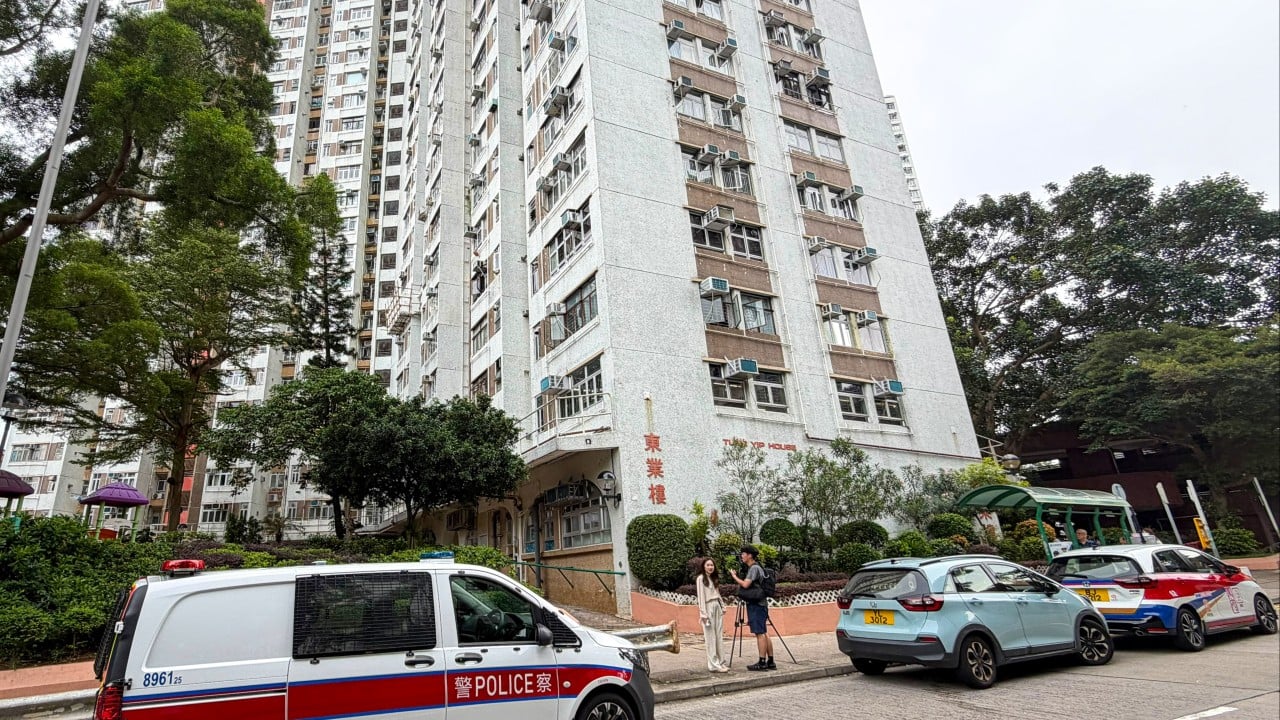
A smell in the hallway. A locked metal gate. Two brothers in their fifties decomposing weeks apart inside a 400-square-foot flat at Lei Tung Estate.
If you think this is just a tragic outlier, look closer at the urban architecture of care failure in dense Asian metropolises.
Police found no foul play at Tung Yip House. No forced entry signs, HK$10,000 left untouched, postal mail stacking up from July onward. One brother cared for the other until he didn't. Then silence took the room.
The Anatomy of an Invisible Collapse
When two unemployed brothers aged 53 and 55 die days or weeks apart without a whisper reaching neighbors, traditional public housing safety nets have failed twice.
- The Caregiver Trap: Younger brother acted as sole carer since 2003. When carer passes first, dependent sibling with social phobia has zero functional runway.
- The Financial Illusion: Monthly HK$17,000 bank transfers from elderly, immobile parents kept the lights and rent paid. Money doesn't knock on doors. Money doesn't check pulse rates.
- Buffer Failure: Family checks arrived every other month via WhatsApp silence since February. Bimonthly contact is a ghost town in high-rise density.
Neighbours smelled nothing until the end. Or they smelled it and stayed quiet. Density breeds psychological insulation. You share a wall with six families, meaning you owe emotional clearance to none of them.
Why Standard Welfare Checks Miss High-Functioning Isolation
Social welfare agencies love structured metrics. Income verification? Checked. Bank transfer? Active. Physical address? Valid.
Real life doesn't fit the spreadsheet.
If someone doesn't scream, authorities assume equilibrium. The elder brother hadn't left or been seen by extended family in over a decade due to severe social avoidance. Society classified that as a personal quirk, not a red alert.
What Actually Breaks Down
- Passive Financial Surveillance: Automated bank wiring masks domestic dependency chains.
- The Stigma Barrier: Families hide social phobia and elder/sibling dependency out of shame, rejecting proactive community outreach until decomposition forces a police battering ram.
- Architectural Isolation: Solid core metal gates block sound, air, and human friction.
Fixing the Blind Spots in Urban Density
You cannot police loneliness, and you cannot mandate neighborly love. You can redesign how public housing management tracks multi-person single-household risk profiles.
Link automated utility anomaly tracking—like flatlining water consumption over 72 hours in single-occupant or high-dependency flagged flats—to automated community nurse pings. Not police sirens. Wellness checks that start with a cup of tea, not a crowbar.
Expand mandatory digital or physical touchpoint registries for households marked with sole-carer dependencies past age 50. If WhatsApp goes dark for 14 days and mail slots choke, drop an alert before decomposition sets in.
Stop treating public housing as cheap square footage. It's a vertical village. Treat it like one.
Check your family's communication cadence today if you have isolated relatives. If a 14-day silence produces panic in your household, you're doing it right. If it produces a shrugged shoulder, fix the interval.