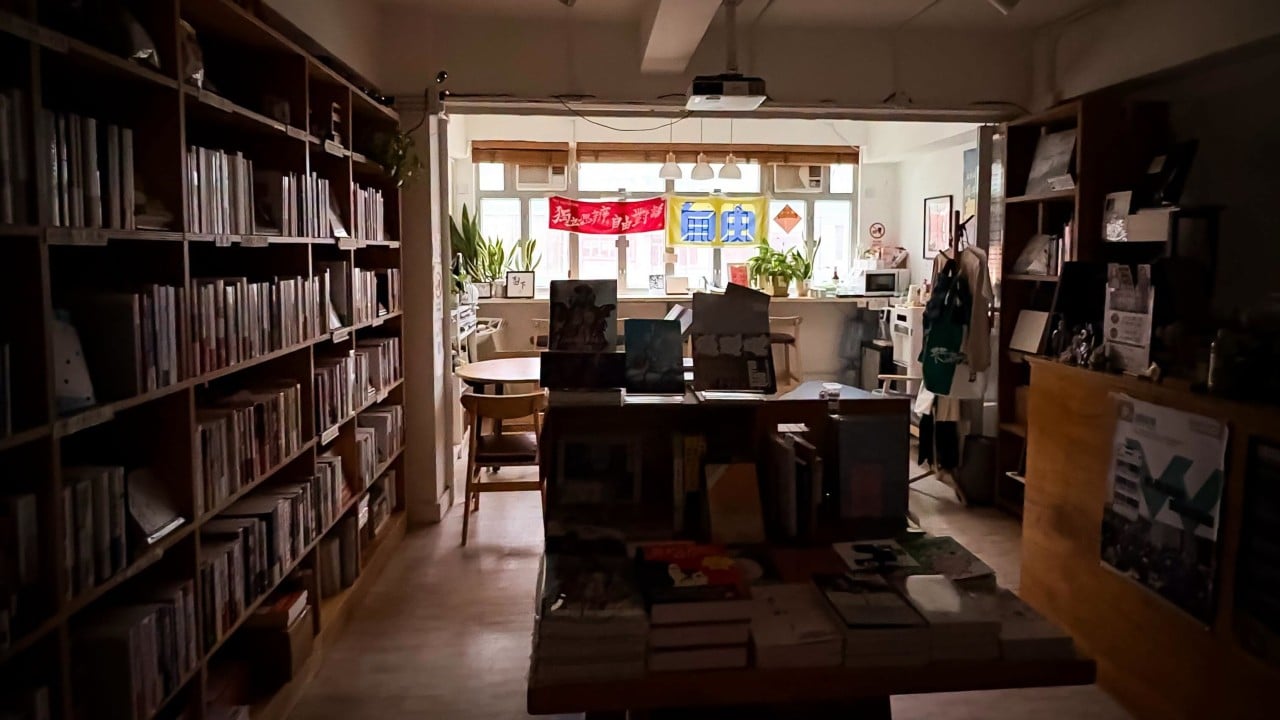
Independent bookstores in Hong Kong used to be places where you could hide. Tucked away on the upper floors of run-down commercial buildings in Mong Kok and Causeway Bay, they offered shelter to readers seeking banned political memoirs, local history, and unfiltered poetry. Those days are gone.
On Wednesday, July 15, 2026, Hong Kong’s national security police carried out coordinated raids on two beloved independent bookshops. They arrested five people. Boxes of books were carried down narrow stairwells into waiting police vans.
This was not an isolated incident. It is a systematic campaign. The target is the printed word.
If you want to understand why these modest literary shops are treated as threats to state security, you have to understand how the definition of "sedition" has expanded. The state is no longer just going after street protests or political parties. It is policing what you are allowed to read, sell, and think in private.
The Mong Kok Raids and the Elusive Red Line
The two shops targeted in the July 15 raids represent different eras of the city's literary scene.
Greenfield Book Store is an established name in Mong Kok. Have A Nice Stay, located in Prince Edward, is a newer space founded by former journalists. Just one day before the raid, Have A Nice Stay announced it would close down permanently on August 30. The owners cited financial problems and what they called an "elusive red line."
They did not even make it to their closing date.
National security officers arrested two men and three women. The charge? Displaying and selling seditious publications under the 2024 Safeguarding National Security Ordinance, commonly known as Article 23.
Police claimed the materials in question were designed to stir up hatred against the local government, the judiciary, and law enforcement agencies. No specific book titles were officially named. This silence is intentional. By keeping the list of "seditious" books a secret, the government ensures that every independent bookseller operates in a state of constant, paralyzing anxiety.
The Customs Intercept Strategy
How did the police know which books were inside these shops?
This raid revealed a critical shift in how authorities track down banned literature. Customs officials intercepted a batch of goods shipped to Hong Kong from overseas. They found books they deemed seditious. They immediately tipped off the National Security Department.
This means the dragnet has moved to the borders.
In the past, booksellers could import titles from Taiwan or Western countries without major issues. Customs focused on narcotics, smuggled electronics, or counterfeit goods. Now, import packages are scrutinized for intellectual content. If you run a bookshop in Hong Kong and order a shipment of sociology texts or memoirs from Taipei, you are effectively flagging yourself to the security services.
This border-monitoring system turns the simple act of importing inventory into a high-stakes gamble. You do not know if a shipment will land you in a jail cell.
The Domino Effect of the 2026 Crackdowns
The July 15 raids are part of a rapid, aggressive pattern. Independent bookshops have been systematically dismantled since the start of the year.
In March 2026, police raided Book Punch, a prominent independent shop. They arrested the owner and staff on similar charges of selling seditious publications. Reports indicated the offending material included a biography of Jimmy Lai, the imprisoned pro-democracy media tycoon.
Then, on June 24, 2026, National Security police arrested Leticia Wong, a former political journalist and the owner of Hunter Bookstore. Police accused her of displaying seditious items, selling banned books, and violating serious financial ordinances by receiving foreign remittances. The shop’s self-published magazine, which covered local culture and social issues, was treated as a tool of subversion.
These are not random inspections. The police are targeting spaces that became safe havens after mainstream bookstores, owned by large conglomerates, purged their shelves of anything remotely political.
The End of an Era
These crackdowns feel even heavier because of what happened earlier in the month.
On July 2, 2026, Lam Wing-kee died of lung cancer in Taipei at the age of 70. Lam was the manager of Causeway Bay Books. In 2015, he was one of five booksellers who vanished into Chinese custody, sparking international outrage.
Lam eventually fled to Taiwan and reopened his shop as a symbol of defiance. His death felt like the closing of a chapter.
When Lam was abducted in 2015, it was done in secret, bypassing Hong Kong’s legal system. Today, the state does not need to resort to cross-border abductions. They have written laws like Article 23 that make the local sale of a critical biography completely illegal under the guise of national security. The law has been institutionalized.
The Reality of Running a Bookstore Today
I have spoken with several small business owners in Hong Kong who are watching these developments with dread. The general consensus is that survival requires a level of self-censorship that defeats the purpose of running an independent bookstore in the first place.
Security Secretary Chris Tang has repeatedly stated that the government will not publish a list of banned books. He claims a blacklist is impractical.
That is a tactical choice. If there is no official list, you can never prove you are innocent. A book that was perfectly legal to sell on Monday could be deemed seditious by Friday.
If you are an independent bookseller trying to navigate this environment, you have to take immediate, highly practical steps to survive. Here is what the current landscape demands.
Audit Your Inventory Immediately
You cannot afford to keep books that analyze the 2019 protests, critique the Chinese Communist Party, or profile prominent political prisoners. It does not matter if the books are academic texts or memoirs. If they challenge the official narrative of the city's history, they are a liability.
Stop Importing via Commercial Channels
If you must stock sensitive titles, do not import them in bulk through standard shipping services. Customs are scanning customs declarations and physical packages for keywords and titles.
Transition to Non-Political Niches
Many surviving shops are pivoting entirely. They are focusing on fiction, lifestyle, design, and local poetry that steers clear of state politics. It is a compromise, but it keeps the doors open.
The era of the politically active, independent Hong Kong bookstore is over. What remains is a choice between total compliance or closure. The five individuals arrested in Mong Kok did nothing more than sell ink on paper. In today's Hong Kong, that is more than enough to make you a target.