Hong Kong isn't failing, but it's stuck in a corner. Local businesses face soaring rents, a tight talent pool, and a domestic market that feels far too small for ambitious growth. If you look purely at the physical borders of the city, you see constraints. Look across the border into Guangdong, however, and the picture shifts entirely. The Greater Bay Area project isn't just a political talking point or a bullet point in a policy address. It's an economic lifeline that Hong Kong must actually understand and use if it wants to keep its status as a global financial titan.
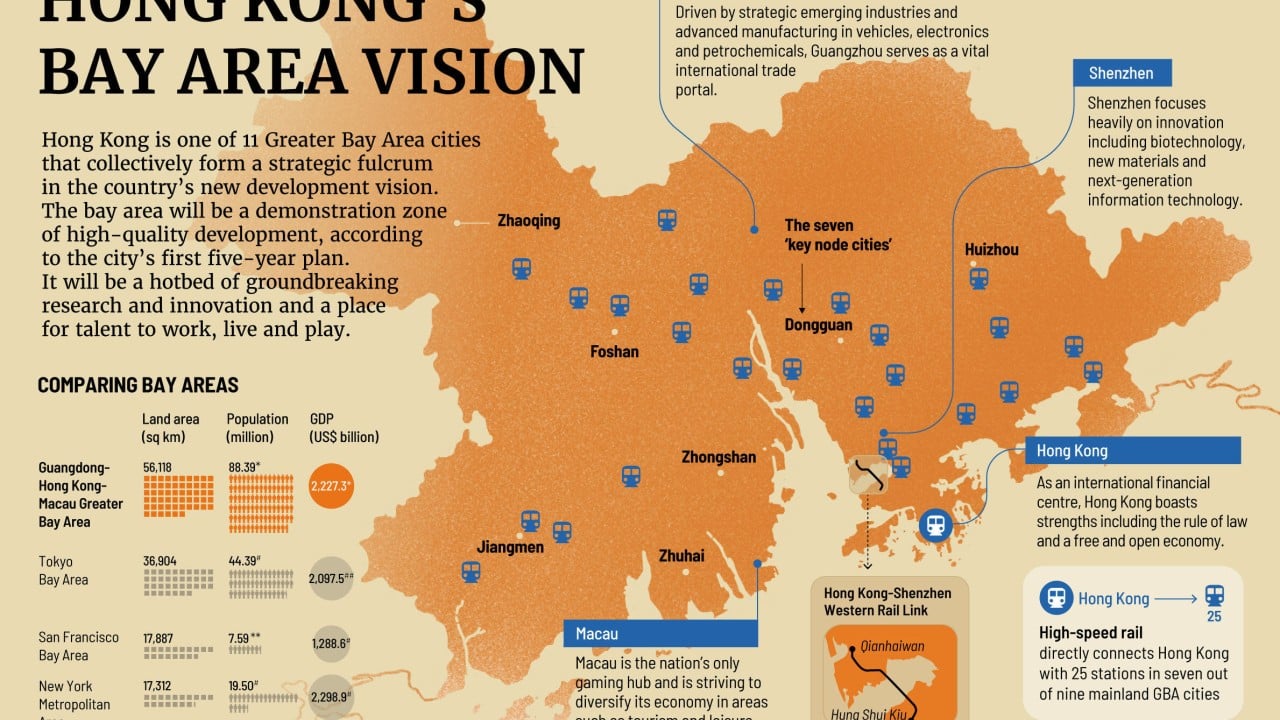
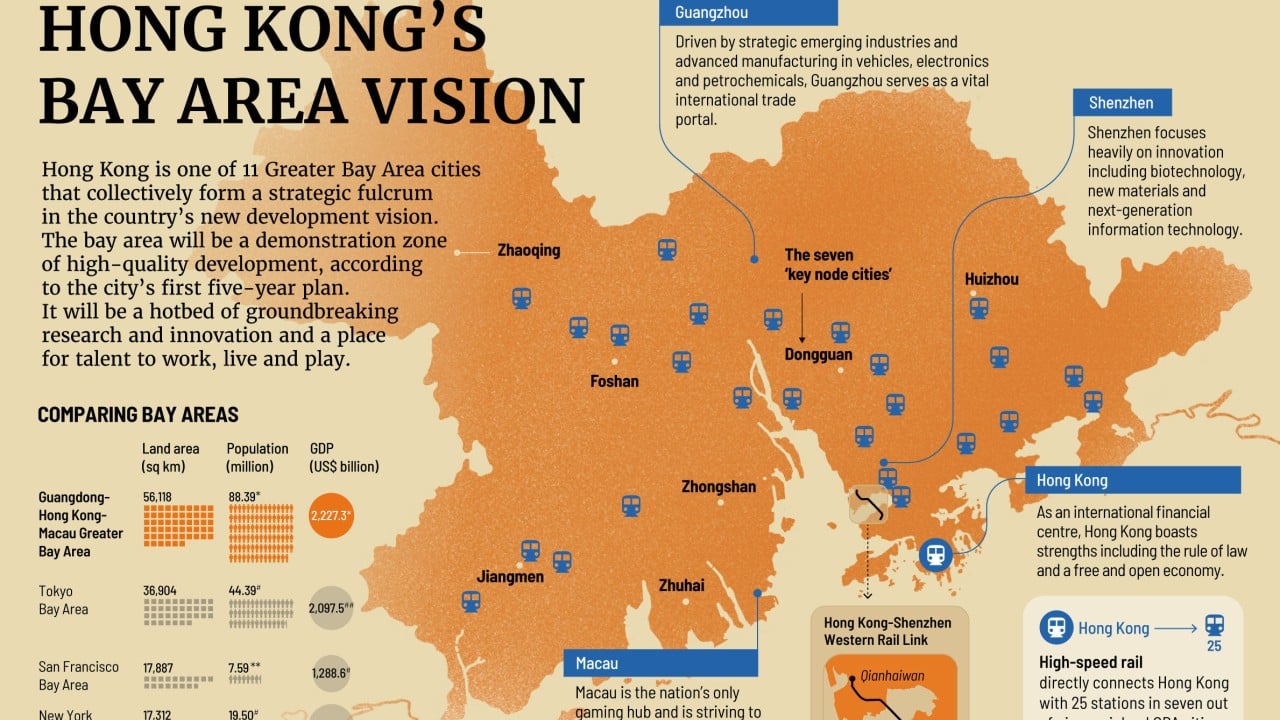
Most commentary about the economic integration zone frames it as a grand bureaucratic blueprint or a distant government ambition. That misses the gritty, day-to-day reality. Eleven cities, roughly 67 million people, and a combined economic output that rivals major global nations are being forced to play nice together. For founders, investors, and professionals based in Hong Kong, this geographic cluster represents actual physical space, manufacturing muscle, and tech talent that simply doesn't exist on Hong Kong island.
The Core Problem with Hong Kong's Domestic Market
Let's be blunt. Hong Kong's economy has long relied on a narrow set of pillars: finance, property, trade, and tourism. When external shocks hit, the city shakes. Property prices remain punishingly high, squeezing out startups and creative industries before they can even launch. You can't build a hardware empire or a massive scalable consumer tech company when warehouse and office leases cost a small fortune.
That's where the regional integration vision changes the equation. Shenzhen handles hardware prototyping and advanced tech development with unmatched speed. Guangzhou brings deep academic research, software talent, and a massive consumer base. Hong Kong supplies international capital, legal certainty, professional services, and a global gateway.
When you combine these pieces instead of viewing them as competitors, the math changes. Yet, many local residents and business owners remain hesitant. Cross-border friction, differing tax regimes, and regulatory hurdles still make moving people and ideas feel clunky.
Bridging the Gaps in Daily Business
Integration sounds clean on paper, but ask any founder trying to run operations across Shenzhen and Hong Kong. You run into data sharing restrictions, professional qualification recognitions that take months to clear, and cultural friction between corporate cultures.
To make the regional vision work, you have to approach it like a pragmatic operator. Stop waiting for total bureaucratic harmonization. It's not going to happen overnight. Instead, look at specific zones designed to ease these pains. Areas like the Qianhai Shenzhen-Hong Kong Modern Service Industry Cooperation Zone offer tangible tax incentives and streamlined legal setups for Hong Kong companies.
If you're running a professional services firm, you don't need to move your entire headquarters. You can set up a satellite office across the river to tap into lower operational overhead while keeping your main base in Central for client trust and international banking.
Where the Real Opportunities Lie
The biggest mistake you can make is treating the region as a monolith. Different cities have distinct superpowers.
- Shenzhen: The hardware and artificial intelligence hub. Home to giants and agile startups alike, it moves at a blistering pace.
- Dongguan & Foshan: Manufacturing powerhouses capable of turning a prototype into a mass-produced physical product in weeks.
- Guangzhou: A powerhouse for e-commerce, biotechnology, and top-tier university talent.
Hong Kong's role shouldn't be to compete with these cities on manufacturing or volume. That's a losing game. The city's true edge lies in acting as the intellectual and financial bridge. If you're an investor, look at cross-border tech transfer. If you're a young professional, stop looking only at local firms and start building networks across the border.
The cities are physically closer than ever thanks to infrastructure like the Hong Kong-Zhuhai-Macao Bridge and high-speed rail links that put Shenzhen just minutes away. The physical barriers are gone. The mental barriers are the only ones left.
Stop treating regional integration as an abstract macro trend. Map out your supply chain, find your cross-border partners, and start treating the wider delta as your actual backyard.
Hong Kong In The Greater Bay Area: Can Pearl Of The Orient Regain Shine?
This video provides an in-depth look at the economic challenges facing Hong Kong and how the Greater Bay Area initiative serves as a crucial factor for its future growth and integration.
http://googleusercontent.com/youtube_content/1