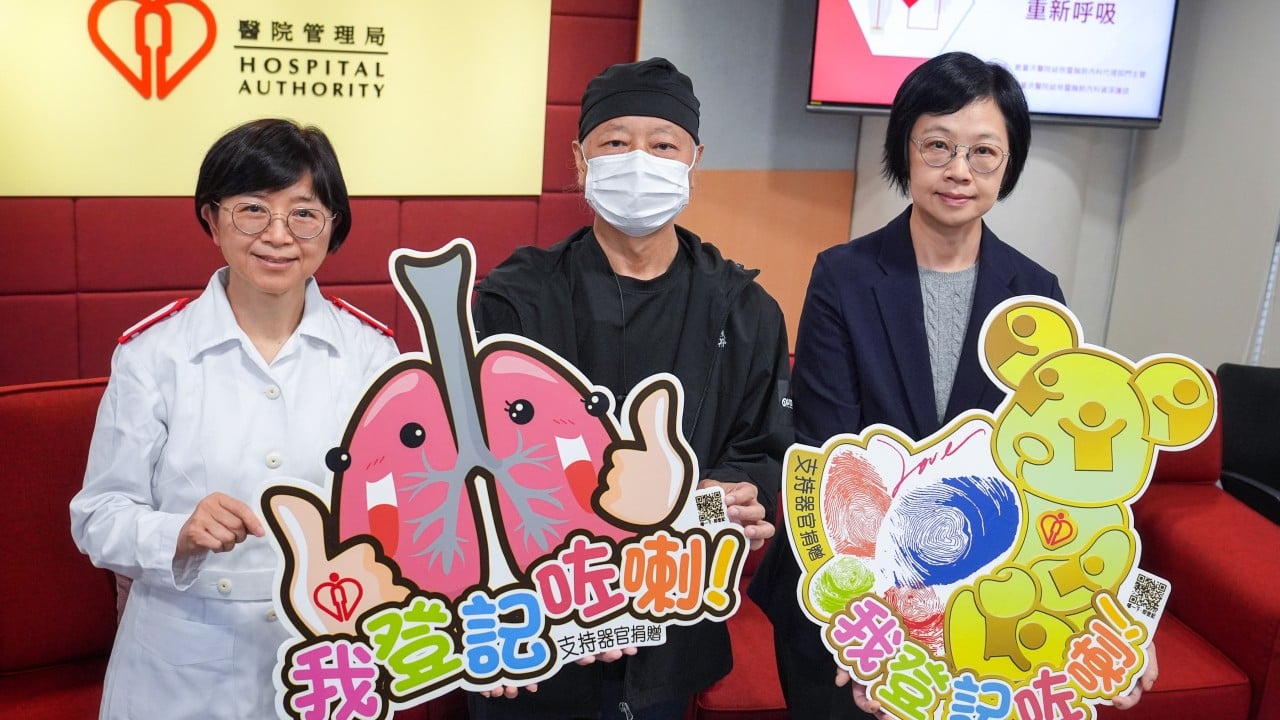
Breathing shouldn't feel like pulling air through a wet towel. Yet for thousands of individuals living with end-stage organ failure, every single breath is a desperate, exhausting negotiation with time. When you are tethered to an oxygen tank, watching the numbers on a monitor fluctuate, the concept of a routine Tuesday ceases to exist. Your entire universe shrinks to the ticking clock of a transplant list.
Recent figures from the Hospital Authority reveal a sobering reality across Hong Kong hospitals. Over 2,600 patients are currently languishing on transplant waiting lists, hoping for a call that often arrives too late. While kidney demand makes up the bulk of that number, specialized thoracic cases—such as the 18 patients actively waiting for lung transplants—face a uniquely terrifying bottleneck. Lungs are fragile, highly susceptible to infection, and notoriously difficult to preserve.
People rarely understand the mechanical nightmare of lung failure until it happens to someone they love.
The Brutal Reality of the Thoracic Queue
Let's look at the numbers without sugarcoating them. Between 2020 and 2024, more than a hundred patients died while waiting for a liver, heart, or lung. That isn't just a statistic in a bureaucratic report. It represents birthdays missed, final conversations cut short, and families shattered by a system plagued by a profound cultural and structural reluctance toward deceased organ donation.
Hong Kong consistently records some of the lowest deceased organ donation rates in the world. Why? The friction usually boils down to three deeply ingrained barriers:
- Traditional cultural beliefs surrounding bodily integrity after death.
- A lack of explicit, proactive family communication before a loved one enters critical care.
- Hesitation among medical staff to broach the topic with grieving families during moments of intense emotional trauma.
When someone needs a lung transplant, time isn't just running out—it is accelerating. Unlike kidney patients who can rely on dialysis to buy years of relative stability, end-stage respiratory patients have no mechanical equivalent that offers long-term freedom. They live on borrowed minutes.
What Real Survivors Experience
Talk to anyone who has navigated the transplant system, and they will tell you that the physical deterioration is only half the battle. The psychological toll is devastating. Patients describe a persistent sense of impending doom. You sleep sitting up because lying flat causes fluid to pool. You measure your life in meters—how far you can walk from the bed to the bathroom before your oxygen saturation plummets.
When a donor organ finally becomes available, the surgical team has hours, sometimes minutes, to harvest, transport, and implant it before cellular degradation ruins the tissue. It's a high-stakes race against biology that leaves no room for error.
Yet, when public awareness campaigns roll around, they often rely on passive corporate jargon instead of raw honesty. They tell the public to "support organ donation," without explaining that a single signature on a centralized register can literally resurrect a dying neighbor.
Breaking Through the Cultural Stigma
We need a radical shift in how society views post-mortem donation. In many European nations, presumed consent models have shifted the default conversation, forcing families to actively opt out rather than opt in. While legal frameworks vary, cultural normalization remains the most powerful catalyst for change.
If you haven't discussed your organ donation wishes with your family, you are leaving your fate—and the fate of others—to chance. In an emergency, medical professionals will almost always ask grieving relatives for final permission, regardless of what a central registry says. If your family doesn't know your stance, fear and grief will usually prompt them to say no.
Fixing this crisis doesn't start in a legislative chamber. It starts at your kitchen table tonight. Tell the people you love what you want to happen if the worst occurs. Because on the other side of that conversation is someone staring at an oxygen tank, wondering if tomorrow will be their last.
Waiting Three Years for an Organ Transplant
This video highlights real-life accounts of navigating long transplant waiting lists and the emotional impact of finally receiving a match.


